2026 Top Menstrual Cup Brands for Global Buyers?
Choosing the 2026 Top Menstrual Cup Brands requires more than comparing bright packaging or online ratings. Global buyers need evidence, comfort, material safety, size guidance, and dependable customer support. Grand View Research reports that the global menstrual cup market is expanding steadily, driven by reusable-product awareness and rising menstrual-health education. Its market analysis also highlights regional differences in access, pricing, and consumer preference.
The strongest Menstrual Cup Brands should explain silicone quality, capacity, firmness, stem design, cleaning instructions, and replacement guidance. They should also provide clear information for first-time users. A cup displayed beside a measuring guide feels more useful than a vague promise of “all-day protection.” Dr. Jen Gunter, a prominent women’s-health physician and author, has said, “Period products are not a luxury.” That statement matters for global buyers, because affordability, dignity, and reliable access remain connected.
This guide compares leading brands through practical and evidence-based criteria. It considers independent reviews, published company information, regional availability, and user experience. Reports from Grand View Research and Fortune Business Insights indicate continued market growth, but market size alone does not prove product quality. That is where buyers must remain careful. Some claims are polished. Some evidence is thin. Materials, fit, and local purchasing conditions can change the experience completely. A brand popular in Europe may not offer the same delivery support in Africa, Asia, or Latin America. The ranking is therefore useful, but not absolute. Personal anatomy and medical needs still deserve professional advice.
Menstrual Cups: Definition, Design, and Main Types
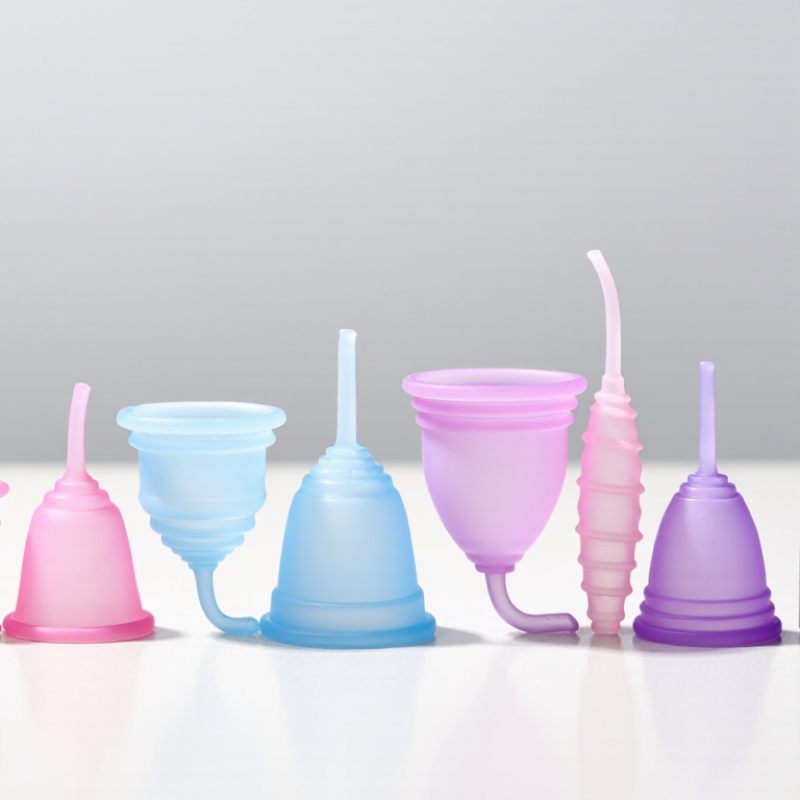
Menstrual cups are flexible internal period products that collect menstrual fluid rather than absorb it. Most reusable cups are made from medical-grade silicone, while some use thermoplastic elastomer. Latex versions may not suit people with latex sensitivity. A cup usually includes a rounded bell, small air holes, and a removal stem.
Design affects comfort and performance. The rim opens inside the vagina and forms a light seal around the cervix. Firm cups may open more easily and suit stronger pelvic muscles. Softer cups can feel gentler, but they may collapse during movement. Capacity also matters, especially for heavier flow. The stem should remain reachable, but it should not cause rubbing.
Main types include reusable cups, disposable cups, and menstrual discs. Reusable cups require washing and periodic sterilization according to the maker’s instructions. Disposable designs can be useful during travel or limited access to clean water. Discs sit higher and collect fluid without the same cup-shaped body. They may require a different insertion technique.
Fit is personal. Very personal. I would not treat size charts as final answers. Cervix height, birth history, exercise, and sensitivity can change the experience. Clean hands help during insertion and removal. Pain, persistent irritation, unusual odor, or unexpected bleeding deserves medical advice. Even careful users can need several attempts. That learning curve should be acknowledged, not hidden.
How to Evaluate Menstrual Cup Brands for Global Use
2026 Top Menstrual Cup Brands for Global Buyers?
How to Evaluate Menstrual Cup Brands for Global Use
Global buyers should evaluate evidence, not attractive packaging. Check medical-grade silicone documentation, material testing, production traceability, and clear quality-control records. A reliable supplier should explain firmness, capacity, diameter, stem design, and recommended replacement periods. These details matter in humid climates, long commutes, and regions with limited clean water.
The 2019 Lancet Public Health systematic review examined 43 studies involving 3,319 participants. It found menstrual cups offered similar protection against leakage compared with disposable products. About 70% of users said they would continue using them. However, comfort varied. A perfect size chart does not exist.
Use guidance from the World Health Organization and UNICEF Joint Monitoring Programme when assessing global suitability. Their reports show continuing gaps in menstrual health information, sanitation, and private washing facilities. Buyers should therefore inspect cleaning instructions, packaging language, user education, and access to replacement parts. Independent laboratory testing is more persuasive than vague claims. Ask for test dates and applicable standards.
Do not ignore practical experience. A softer cup may suit beginners, while a firmer design can help some active users. Yet body differences make universal advice unreliable. Suppliers should offer clear fitting guidance without promising identical results. Pricing also deserves scrutiny. Very low prices may hide weak testing, inconsistent dimensions, or poor customer support. Even experienced buyers can misjudge these risks.
2026 Leading Menstrual Cup Brands and Their Key Features
2026 Leading Menstrual Cup Brands and Their Key Features
Leading menstrual cup brands in 2026 are competing through comfort, safety documentation, and practical design. Medical-grade silicone remains common because it is flexible, durable, and generally easy to clean.
Buyers should check material details, manufacturing information, and market-specific regulatory documentation before purchasing. Fit comes first.
Key features include several sizes, different firmness levels, smooth rims, and easy-grip stems.
A softer cup may feel comfortable for sensitive users, while a firmer model can open more reliably during movement.
Capacity also matters. People with heavier flow may prefer a larger reservoir, but a bigger cup can feel uncomfortable for some bodies.
Leaks still happen.
Clear instructions should explain insertion, removal, cleaning, and storage without confusing language. Reliable brands usually provide sizing guidance based on anatomy, flow, and personal experience rather than age alone.
Responsive customer support adds practical value, especially for first-time users.
Packaging should protect the cup and identify its material clearly.
A careful comparison should not trust attractive claims alone.
Independent reviews can reveal issues that product pages omit, such as a stiff stem or difficult removal.
I would also examine return policies, because online sizing advice is imperfect.
No single design suits everyone.
First use may involve adjustment, minor mess, and reconsidering the chosen firmness. That honest limitation deserves attention.