What Are the 2026 Top Types of Hiking Shoes?
Choosing the right Hiking Shoes in 2026 will involve more than comparing brands, colors, or marketing claims. Trail conditions are changing, and hikers are carrying different loads than before. Lightweight trail runners may suit fast day hikes, while supportive mid-cut shoes can protect ankles on rough, rocky paths. Waterproof models still matter in cold, wet environments. Yet they may feel hot during humid summer climbs.
Andrew Skurka, an award-winning long-distance hiker and gear expert, offers a practical reminder: “Match the shoe to your feet, your load, and your route.” That principle remains useful when evaluating the leading Hiking Shoes categories for 2026. Comfort, traction, durability, breathability, and repairability deserve equal attention. A deep outsole can grip loose gravel, but it may feel stiff on smooth pavement. A flexible shoe can move naturally, but it may provide less protection under a heavy pack.
This guide examines the top types of Hiking Shoes expected to shape the 2026 market. It considers trail runners, lightweight hiking shoes, traditional hiking boots, approach shoes, and waterproof designs. Real-world use matters here. Mud on the lugs, hot spots near the heel, and wet socks can change a buying decision quickly. No category wins every trail. Feet differ, and product testing is never perfectly universal. That limitation deserves attention. The best choice may look less impressive on a store shelf, yet perform better after six hours outdoors.
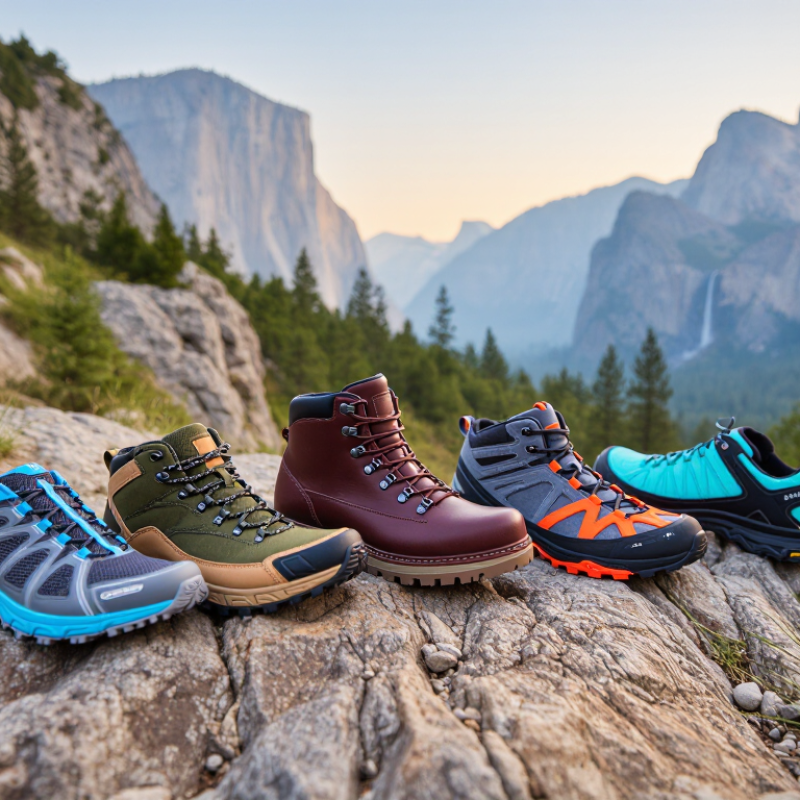
What Defines the Top Hiking Shoe Types in 2026
The top hiking shoe types in 2026 are defined by terrain, load, weather, and personal movement. A lightweight trail shoe suits dry paths, quick day hikes, and hikers who value flexibility. It usually has a responsive midsole and a grippy rubber outsole. However, thin uppers may feel less protective on sharp rock.
Rugged hiking shoes offer more structure without the height of traditional boots. Their firmer midsoles support heavier daypacks and uneven ground. A mid-cut boot provides additional ankle coverage, which can help on loose slopes. Still, ankle height cannot prevent every twist. Good technique matters more than many advertisements suggest. I learned this after moving too quickly across wet roots.
Waterproof hiking shoes are useful in cold rain, shallow mud, and damp grass. Their membranes can reduce breathability during warm climbs. For hot, dry regions, ventilated mesh may feel better and dry faster. Approach-style shoes work well on rocky approaches because their climbing zones improve edge control. They can feel stiff on ordinary forest trails. The most reliable choice matches the shoe’s construction to the trip, not merely its appearance. Check heel movement, toe space, outsole grip, and comfort after several minutes of walking. A small pressure point can become painful after six hours. Fitness, pack weight, and changing weather should also influence the decision.
Low-Cut Hiking Shoes for Speed and Lightweight Trails
What Are the 2026 Top Types of Hiking Shoes?
Low-cut hiking shoes are gaining attention in 2026 for fast, lightweight trail travel. They feel closer to running shoes than traditional hiking boots. Their flexible soles support quick steps on packed dirt, forest paths, and dry gravel. Less weight can reduce leg fatigue during long day hikes. That difference becomes noticeable after several hours.
Look for a firm heel counter and a secure lacing system. These features help control your foot on uneven ground. A breathable mesh upper keeps heat manageable during warm climbs. However, mesh can allow dust and light rain inside. I prefer moderate cushioning, because overly soft foam may feel unstable on rocky surfaces. It is a trade-off.
Check the outsole before buying. Shallow lugs work well on maintained trails and compact soil. Deeper lugs provide better grip on loose slopes, but they may feel slower on hard paths. Toe protection also matters. Small stones can strike the front of the shoe unexpectedly. During testing, walk downhill and step across angled rocks. Watch for heel lifting, cramped toes, or sliding feet. Do not ignore discomfort. A lightweight shoe can still fit badly, and personal foot shape often matters more than technical claims.
What Are the 2026 Top Types of Hiking Shoes?
Low-Cut Hiking Shoes for Speed and Lightweight Trails
Trail-running shoes are typically the lightest option for fast, well-maintained trails, while low-cut hiking shoes offer a practical balance of speed, durability, and underfoot protection. Approach shoes and lightweight backpacking shoes generally weigh more because they use stiffer midsoles, more protective uppers, or stronger support structures. The figures represent typical weight per shoe in common adult sizes; actual specifications vary by model and size.
Mid-Cut Hiking Shoes for Balanced Support and Protection
Mid-cut hiking shoes are becoming a leading choice for 2026 trails. They balance ankle support, protection, and everyday comfort. Their collars sit above the ankle bone without feeling as tall as traditional boots. On rocky paths, this extra coverage can reduce scrapes from loose stones and branches. I have found them especially useful when carrying a light backpack over uneven ground.
A supportive mid-cut design should hold the heel firmly without squeezing the ankle. The toe box needs room for natural movement, especially during long descents. Look for a stable midsole, a protective toe cap, and an outsole with deep, varied lugs. These features help manage wet roots, gravel, and compact soil. Waterproof membranes can keep feet dry in shallow puddles, but they may feel warm in humid weather. Breathable materials often work better for summer routes.
Fit matters more than impressive specifications. Try the shoes with hiking socks and walk down a ramp before buying. Your toes should not touch the front. I once chose a stiff pair that felt secure in a store, yet caused pressure after several hours. That mistake changed my approach. Mid-cut shoes are not automatically safer or better. They can feel heavy, and poor ankle flexibility may limit natural movement. Regular cleaning, careful drying, and early trail testing improve reliability. Small details matter.
High-Cut Hiking Boots for Stability on Rugged Terrain
Among the leading hiking footwear types for 2026, high-cut hiking boots remain a strong choice for rugged terrain. They rise above the ankle and help limit unwanted rolling on uneven ground. A firm heel counter and supportive midsole can improve confidence. On loose scree, wet roots, and broken stone, this structure feels reassuring. Fit matters more. Professional fitting practice favors a snug heel, secure midfoot, and enough room for swelling toes. Tight boots can create hot spots before the trail becomes difficult.
Trail experience suggests that stability comes from several parts working together. Look for deep, well-spaced lugs that grip mud and rock without trapping excessive debris. A reinforced toe area protects against unexpected impacts. Durable uppers resist abrasion from sharp edges and fallen branches. Yet stiffness is not automatically safer. An overly rigid boot may tire your feet and reduce natural movement. Lace it carefully, especially around descents. Test them loaded.
Waterproof membranes can help during shallow crossings and persistent rain, but they may reduce breathability. Leather often handles abrasion well, while synthetic materials usually dry faster. Neither option is perfect. After several hours, heat and moisture can matter as much as water resistance. I have learned to question impressive specifications when the boot feels heavy or clumsy. Walk downhill before buying. Check toe room. Bend your knees. A stable boot should support your movement, not fight it.