Top 10 Benefits of Using PVC Panels for Your Projects?
The demand for versatile building materials is on the rise. PVC Panels have gained substantial attention in the construction industry. According to a market analysis by Research and Markets, the global PVC products market is projected to reach $136.5 billion by 2025. This robust growth underscores the increasing preference for materials like PVC panels, known for their durability and cost-effectiveness.
PVC panels offer numerous advantages for various projects. Their lightweight nature facilitates easier handling and installation. Additionally, they are moisture-resistant, making them ideal for areas prone to humidity. A study by Grand View Research reveals that the demand for waterproof materials is surging, driving the use of PVC panels in bathrooms and kitchens.
While PVC panels have considerable benefits, they are not without limitations. Environmental concerns regarding their production are noteworthy. Overall, understanding the complete impact of PVC panels can lead to more informed choices. Whether for residential or commercial projects, they remain a strong contender in modern construction.
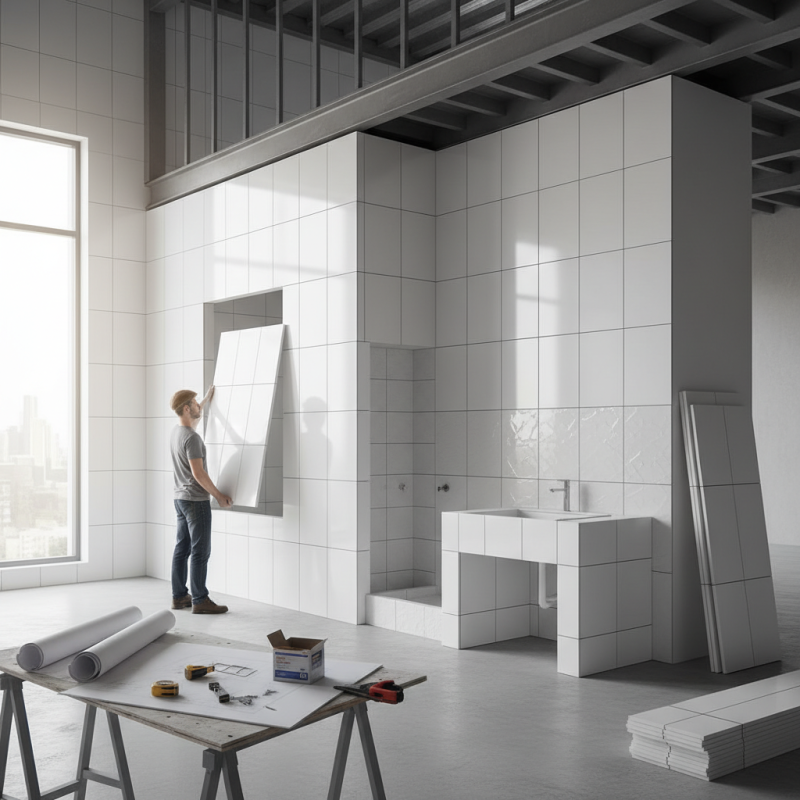
Overview of PVC Panels and Their Common Applications
PVC panels are versatile materials widely used in construction and interior design. They are lightweight, durable, and resistant to moisture. This makes them ideal for areas prone to dampness, such as bathrooms and kitchens. Many builders and decorators appreciate their easy installation and maintenance.
Applications of PVC panels include wall cladding, false ceilings, and decorative partitions. They can mimic the look of wood or stone, providing a stylish finish without the high costs. Many people use them to enhance their home aesthetics while ensuring long-lasting performance. In commercial settings, they are popular choices for cleanroom environments due to their easy-to-clean surfaces.
While PVC panels offer numerous advantages, there are challenges to consider. Some users report difficulty in cutting and fitting panels precisely. Others express concern about the environmental impact of PVC production. It's essential to weigh these factors when choosing materials for a project. Balancing cost, aesthetics, and sustainability is critical for a successful outcome.
Durability and Longevity: The Advantage of PVC Panels
PVC panels offer remarkable durability and longevity, making them an ideal choice for various projects. Their resistance to moisture and environmental factors contributes to their extended lifespan. Unlike traditional materials, PVC does not warp, crack, or swell when exposed to humidity. This characteristic ensures that homeowners and builders can rely on PVC panels for years without worrying about replacement.
Another noteworthy advantage is their low maintenance requirement. Cleaning PVC panels is simple, requiring just a wipe-down with soap and water. They resist fungal growth and do not stain easily, which reduces maintenance costs over time. However, some may find that the initial investment can be higher than wood or drywall. It's important to consider the long-term savings in repair and replacement when evaluating expenses.
Despite their many benefits, it is crucial to acknowledge that PVC panels can sometimes look less natural than wood. This aspect may not align with every design preference, necessitating a careful selection process. Balancing durability with aesthetic appeal can be a challenge. In any case, the advantages of using PVC panels for projects are clear, particularly in terms of longevity and reliability.
Cost-Effectiveness: Budget Benefits of Using PVC Panels
PVC panels are a popular choice for various projects due to their cost-effectiveness. They can significantly reduce material expenses. Compared to traditional materials, they are often more affordable. This makes them ideal for both residential and commercial projects. For example, they can be used for walls, ceilings, and even decorative features.
In addition to lower initial costs, PVC panels require less maintenance. They are resistant to moisture and easy to clean. This means fewer repairs over time, saving money in the long run. Moreover, their lightweight nature allows for quicker installation. This can reduce labor costs and overall project timelines.
However, it's essential to consider the long-term impact of using PVC panels. While they are affordable upfront, they may not suit every environment. For instance, in extreme weather conditions, some panels might warp or discolor. Careful planning and consideration are necessary to ensure they meet your project needs effectively. Balancing initial savings with durability is crucial for any project’s success.
Aesthetic Flexibility: Design Options with PVC Panels
PVC panels offer exceptional aesthetic flexibility, making them a popular choice for various design projects. These panels are available in a wide range of colors and textures, from glossy finishes to matte surfaces. This variety allows designers to create unique spaces that reflect individual styles. Whether you're aiming for a modern look or a cozy atmosphere, PVC panels can adapt to your vision.
In commercial spaces, the ease of installation and customization is invaluable. With options like wood grain, stone patterns, and vibrant colors, PVC panels can enhance both functionality and appearance. They can be cut to any size, ensuring a perfect fit. However, design choices should consider lighting and room size. Sometimes, too many colors can clash in a small area. Balance is key.
While PVC panels are durable, issues such as fading over time or surface scratches may occur. Regular maintenance is essential to preserve their appearance. It's worth reflecting on how your choices affect durability and long-term aesthetics. By consciously selecting designs that marry beauty and practicality, you can create stunning spaces that last.
Maintenance and Cleaning: Ease of Care for PVC Panels
PVC panels offer significant advantages in terms of maintenance and cleaning. Their smooth surface resists staining and doesn't absorb moisture. This makes them less prone to damaging effects from mold or mildew, which can be a headache in humid environments. Regular care is simple and straightforward. Just a wipe with a damp cloth can keep them looking great.
In more challenging cases, a mild detergent can help remove stubborn dirt. Unlike wood, PVC does not require sanding or repainting. This can save both time and money. However, one might notice some scratching over time. These imperfections can be easily addressed with a little extra care.
Although PVC panels are durable, the environment may present challenges. Harsh chemicals can damage the surface. It’s essential to be mindful of this when selecting cleaning products. The right approach can keep your panels pristine and functional for years. Taking these details into consideration ensures that the advantages of PVC panels are fully realized.