Top 10 Benefits of Using Recycled Cotton Yarn in Production?
The textile industry is increasingly recognizing the value of sustainable practices, and recycled cotton yarn is at the forefront of this shift. According to a report by the Textile Exchange, using recycled materials can significantly reduce greenhouse gas emissions. In fact, it takes only 5,000 liters of water to produce one kilogram of recycled cotton yarn, compared to 20,000 liters for conventional cotton. This substantial difference highlights the environmental benefits of incorporating recycled cotton into production processes.
Moreover, recycled cotton yarn not only helps in waste reduction but also offers unique texture and durability. Brands that embrace this innovation report increased customer loyalty, with 62% of consumers prioritizing sustainability in their purchasing decisions, as found in a survey by Nielsen. However, challenges remain. The availability of quality recycled cotton yarn can be inconsistent, potentially affecting production timelines. Businesses must reflect on sourcing methods and quality control to maximize the benefits. Embracing recycled cotton yarn necessitates strategic planning but can ultimately lead to a more responsible and profitable production model.
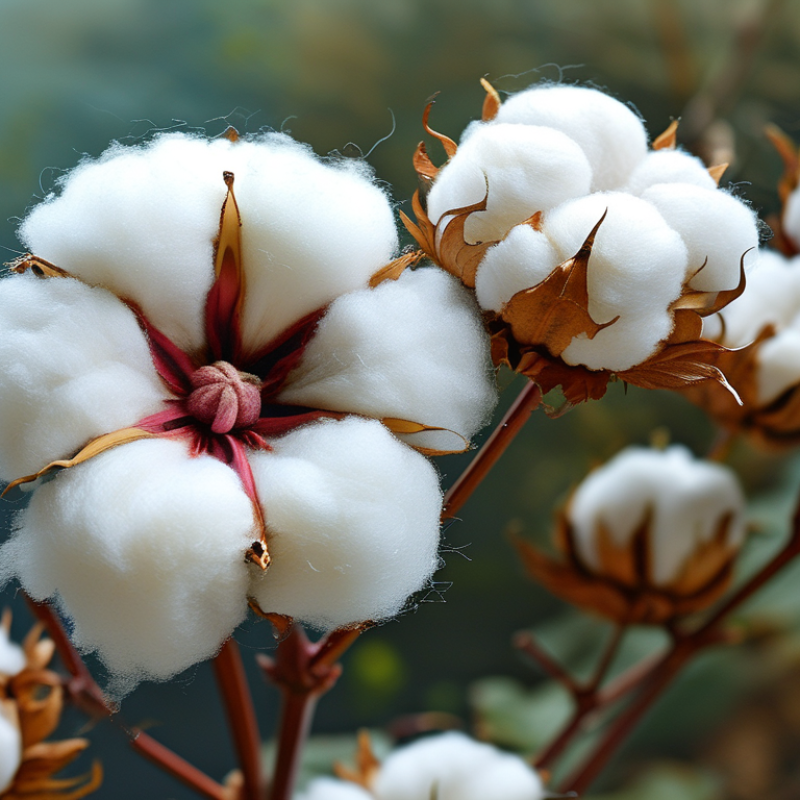
Overview of Recycled Cotton Yarn and Its Production Process
Recycled cotton yarn is produced from post-consumer and post-industrial cotton waste. This process begins with collecting discarded textiles. These materials are sorted, cleaned, and shredded into fibers. The result is a new source of raw material. This method reduces landfill waste and promotes sustainability.
The production of recycled cotton yarn can be complex. It involves techniques to ensure the final product meets quality standards. Sometimes, the fibers may not be as strong as virgin cotton. This variability can pose challenges for manufacturers. However, blending recycled cotton with virgin fibers can provide a practical solution.
Recycling cotton also requires less water and energy than traditional methods. The reduced environmental impact is significant. Yet, not all garments can be easily recycled. There are limitations to what can be processed effectively. It’s important for the industry to continue exploring better recycling technologies.
Environmental Impact of Using Recycled Cotton Yarn Compared to Conventional Yarn
Recycled cotton yarn offers significant advantages over conventional yarn. The environmental impact is one of the most compelling reasons to consider this material. Traditional cotton production consumes vast amounts of water and pesticides. In contrast, using recycled cotton reduces water usage by up to 90%. It significantly lowers carbon emissions since it utilizes existing fibers, minimizing the need for new resources.
Transitioning to recycled materials can challenge established production methods. However, the benefits often outweigh the difficulties. Here are a few tips for brands looking to incorporate recycled cotton yarn. Start by evaluating your current suppliers. Ensure they provide high-quality recycled materials that meet your production needs. Educating your team about the advantages of recycled yarn is also crucial. This fosters a culture of sustainability and innovation.
Additionally, experimenting with blends of recycled cotton and other fibers can yield unique textures and durability. While the market for recycled yarn is still developing, investing in it can position brands as leaders in sustainability. A balance must be found between performance and environmental responsibility, urging manufacturers to explore creative solutions in their production processes.
Economic Benefits of Incorporating Recycled Cotton Yarn in Manufacturing
Recycled cotton yarn offers several economic advantages for manufacturers. One key benefit is cost efficiency. Producing recycled yarn often costs less than sourcing new raw cotton. This allows businesses to reduce their overall production costs while promoting sustainability. Investing in recycled materials can also enhance a company’s appeal to eco-conscious consumers.
Another economic benefit is the potential for new market opportunities. As awareness of sustainability grows, consumers are seeking eco-friendly products. Brands that incorporate recycled cotton can differentiate themselves in a crowded market. This change can lead to increased sales and customer loyalty.
Tips: Focus on building relationships with suppliers of recycled cotton. They can offer insights and support. Be transparent in your marketing about the benefits of recycled yarn. This builds trust and highlights your commitment to sustainability. Lastly, consider integrating recycled cotton into multiple product lines to expand your reach and impact.
Quality and Performance Advantages of Recycled Cotton Yarn in Textiles
Recycled cotton yarn offers significant quality and performance advantages in textiles. One key benefit is its softness. Reports show that fabrics made from recycled cotton can match the softness of virgin cotton. This characteristic enhances comfort for consumers and increases the appeal of garments. Additionally, recycled cotton is often more breathable. This improves wearability in various climates, making it suitable for diverse applications.
Another advantage lies in durability. According to industry data, recycled cotton yarn can maintain strength levels comparable to new cotton. Innovations in processing techniques have increased the resilience of recycled fibers. However, not all recycled cotton is created equal. Some recycled yarns may exhibit weakness due to improper processing or contamination. This variability raises concerns about consistency in quality.
Environmental benefits complement the performance attributes. The global textile industry is shifting towards sustainable practices. Using recycled cotton can reduce water usage by up to 70%. It also lowers greenhouse gas emissions significantly. Yet, one must remain cautious; the recycling process itself can sometimes be energy-intensive. Balancing these factors is crucial as the industry moves forward.
Innovative Applications and Trends in Recycled Cotton Yarn Usage
Recycled cotton yarn is gaining traction in various industries. From fashion to home textiles, its innovative applications are reshaping production. Approximately 3 million tons of cotton are wasted annually, making recycled cotton a sustainable choice. This yarn reduces environmental impact and supports circular fashion trends.
Recent studies indicate that using recycled cotton can lower carbon emissions by up to 75%. Brands are increasingly incorporating it into their collections. For instance, designers are mixing recycled cotton with organic fibers to enhance durability and softness. This blend is not just functional; it also appeals to eco-conscious consumers.
The challenge lies in maintaining the quality of recycled materials. Some worry about the consistency and strength of the yarn. However, advancements in recycling technology are addressing these issues. The key is continuous innovation. By focusing on improving the recycling process, industries can maximize the potential of recycled cotton. Authentic practices are essential for credibility in the market.