What Is the Best China Velvet Upholstery Fabric Supplier?

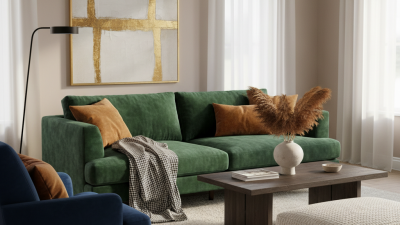
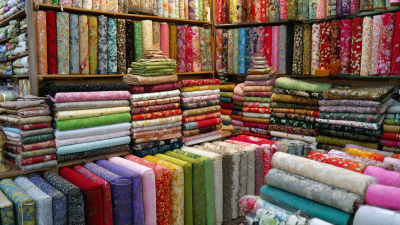
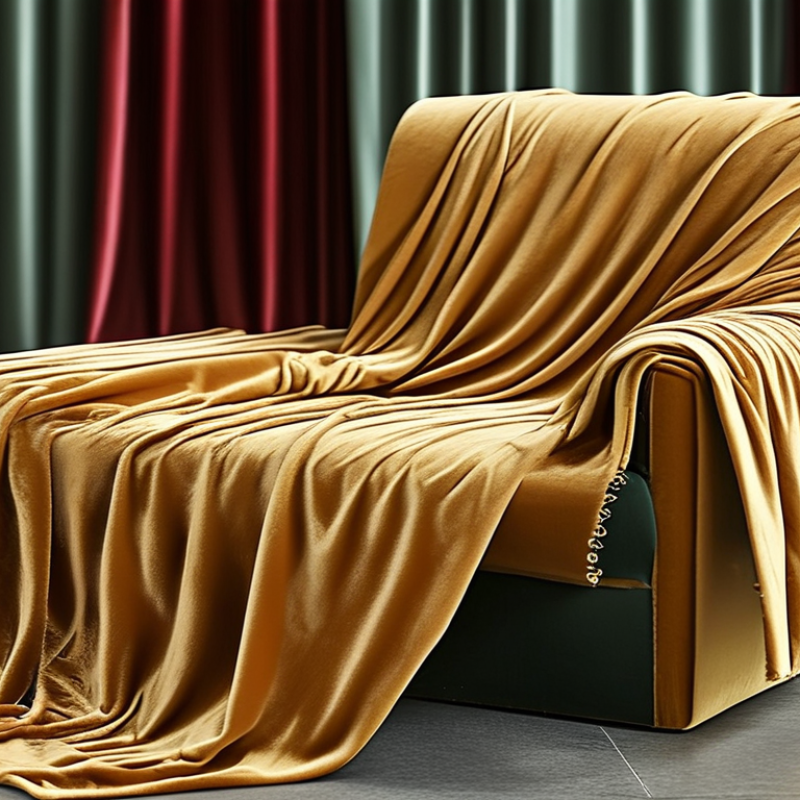
Choosing the best China velvet upholstery fabric supplier requires more than comparing catalog photographs. Velvet changes visibly with pile direction, lighting, pressure, and dye depth. A showroom sample may look rich, while a larger sofa panel reveals shading, crushing, or uneven nap.

Industry reports offer useful context. Grand View Research identifies rising demand for premium upholstery materials, especially in residential and hospitality interiors. IMARC Group also links market growth with furniture renovation, interior customization, and durable decorative textiles. These reports show opportunity, but they do not certify individual suppliers. That distinction matters.

Textile consultant David Shah explains, “Velvet rewards close inspection because its pile changes with light and touch.” Buyers should test a supplier’s fabric under warm and cool lighting. They should also request abrasion results, composition details, colorfastness data, and batch consistency records. Ask for a production sample, not only a small swatch.

The strongest velvet upholstery fabric supplier should demonstrate stable quality, responsive communication, and traceable manufacturing practices. Look for testing against recognized upholstery standards, including abrasion and flammability requirements relevant to the target market. Certification claims deserve verification.

Price still matters. It should not lead the decision.

A lower quotation may hide weaker backing, loose pile, inconsistent dyeing, or expensive replacement costs. One practical weakness remains: supplier websites often present ideal images, not production reality. Independent inspection and repeat sampling reduce that uncertainty. The best China supplier is therefore not simply the cheapest factory. It is the partner that consistently delivers the promised hand feel, color, performance, and documentation.
What Is the Best China Velvet Upholstery Fabric Supplier?

What Defines a High-Quality China Velvet Upholstery Fabric Supplier?

A high-quality China velvet upholstery fabric supplier is defined by measurable performance, not attractive showroom samples. Textile Exchange’s Materials Market Report 2024 states that global fiber production reached 124 million tonnes in 2023, with polyester representing 57%. This matters because polyester velvet can offer strong wear resistance, but fiber content alone proves little.

Ask for independent test reports covering abrasion, pilling, colorfastness, and seam slippage. ISO 12947 Martindale testing helps compare surface durability under repeated rubbing. For busy seating, a supplier should provide the tested cycle count, test method, fabric weight, and pile composition. Details matter. A dense, even pile should recover after pressure, while a weak backing may wrinkle during installation. I would also request ISO 105 colorfastness results, especially for sunlight-exposed furniture.

Supplier reliability appears in production controls. Check whether dye lots are recorded, pre-shipment samples are retained, and batch variations are disclosed honestly. Traceable fiber documentation and restricted-substance testing support responsible purchasing. However, a perfect sample can mislead. I have seen velvet look rich under showroom lighting, then appear flatter beside a window. Ask for larger samples and test them against abrasion, light, cleaning, and stitching conditions. No supplier is flawless. The credible ones explain limitations before receiving an order.

Which Velvet Upholstery Fabrics Do Chinese Suppliers Offer?

Chinese velvet upholstery fabric suppliers offer more than one standard plush surface. Common choices include polyester velvet, cotton velvet, viscose velvet, recycled polyester velvet, and cotton-polyester blends. Polyester remains popular because it resists abrasion, dries quickly, and holds color well. Textile Exchange’s 2024 Materials Market Report states that polyester represented about 57% of global fiber production in 2023. That helps explain its strong position in furniture textiles.

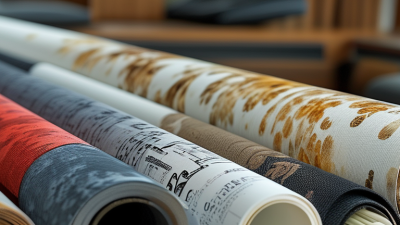
Suppliers also produce crushed velvet, embossed velvet, printed velvet, and pile velvet with different weights and backing structures. Contract furniture buyers often request abrasion testing, colorfastness testing, and flame-resistance documentation. However, test results must match the final fabric specification. A certificate for one weight cannot automatically prove another version performs equally. This detail is often overlooked. I have found that softer velvet may feel luxurious, yet it can show pressure marks quickly under daily use. Durability and appearance should be judged together.

Tips: Ask for a physical sample, technical sheet, and recent test report. Check the fabric weight, usable width, pile direction, and backing. For high-use seating, request verified abrasion results, not general claims. Sustainable options deserve careful review too. Recycled content can reduce reliance on virgin fibers, but buyers should confirm the percentage and traceability. A small sample is useful. It is not enough alone.

How to Evaluate a China Velvet Fabric Supplier’s Quality and Capacity?

Choosing the best China velvet upholstery fabric supplier requires evidence beyond attractive sample books. Textile Exchange’s Materials Market Report 2024 estimates global fiber production reached 124 million tonnes in 2023. Polyester represented about 57 percent, so fiber claims deserve careful verification. Request fiber-content tests, pile-density data, colorfastness results, and backing specifications from an independent laboratory. Check compliance with ISO 105 for colorfastness and ISO 12947 for abrasion. A high abrasion number alone proves little.

Touch the fabric under strong light. Look for uneven pile direction, crushed areas, loose yarns, and visible shade bands. Rub a white cloth across the surface. Inspect the reverse side for weak coating or inconsistent bonding. Ask whether production follows an approved reference sample, not only a digital image. Small differences can become obvious across a hotel sofa or a full furniture shipment. I have seen suppliers present excellent samples, then deliver rolls with different gloss levels. This is easy to overlook.

Capacity requires measurable records. Ask for monthly output, available dyeing machines, finishing lines, quality inspectors, and current production loading. Confirm realistic lead times for sampling, bulk orders, and repeat colors. Request a batch traceability system, inspection reports, and a corrective-action process. Textile Exchange also reports that recycled polyester accounted for roughly 12 percent of polyester production in 2023; recycled-content claims should include transaction records or certification evidence. A factory may quote impressive capacity, but capacity without stable quality is only a promise. Allow room for that uncomfortable question.

What Certifications and Services Should Buyers Expect?

What Is the Best China Velvet Upholstery Fabric Supplier?

What Certifications and Services Should Buyers Expect?

A reliable velvet upholstery fabric supplier should provide verifiable certifications, not vague claims. Look for OEKO-TEX Standard 100, ISO 9001, and REACH-related test documentation where applicable. Ask for certificate numbers, testing laboratories, valid dates, and product scope. A certificate may cover only one fabric series, not every color or backing. That small detail often causes expensive misunderstandings.

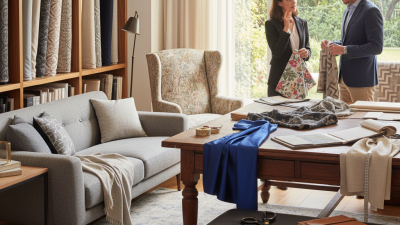
Professional suppliers should offer sample cards, color matching, lab dips, and physical fabric swatches. They should also explain abrasion resistance, pilling performance, colorfastness, seam slippage, and fire testing requirements. For hospitality or transport projects, confirm the correct testing standard before placing an order. Practical experience matters here. A dense velvet may look elegant under showroom lights but behave differently after repeated cleaning. Buyers should request production samples and inspect the pile direction, hand feel, backing, and shade consistency.

Tips: Request a complete technical data sheet. Compare the tested composition with the delivered fabric. Confirm minimum order quantities, lead times, packaging, inspection procedures, and replacement policies in writing. Ask how defects are recorded and corrected. No supplier is flawless. Even approved samples can reveal small shade differences during bulk production. A dependable partner acknowledges this risk, sets clear tolerances, and responds with evidence rather than promises.

What Is the Best China Velvet Upholstery Fabric Supplier? What Certifications and Services Should Buyers Expect?

Buyer Evaluation Dimension Certification, Test, or Service What It Demonstrates Typical Evidence Buyers Should Request Importance for Upholstery Projects
Chemical Safety REACH-related chemical compliance documentation Shows that the supplied fabric has been assessed against applicable restrictions on chemicals used in articles placed on the European market. Recent laboratory report, tested material description, report date, and confirmation that the tested construction matches the production fabric. High
Restricted Substances OEKO-TEX® STANDARD 100 certificate, where applicable Indicates that the certified textile product has been tested for a defined list of harmful substances. The certificate scope and product class should be checked. Valid certificate number, scope, product class, validity period, and verification through the certification body’s official system. High
Flammability Performance Market-specific flame-resistance testing Provides performance results against the fire standard required for the destination market and intended use, such as domestic, hospitality, marine, or contract seating. Full test report naming the fabric construction, backing, treatment, foam or filling combination, test method, and pass/fail result. High
Abrasion Resistance Martindale or Wyzenbeek abrasion test Measures resistance to surface wear under a specified laboratory method. Results should not be compared directly across different test methods. Test method, load, endpoint, number of cycles, fabric construction, and whether the result applies to the finished upholstery article. High
Colorfastness Colorfastness to rubbing, light, washing, and perspiration Helps predict color transfer, fading, and shade change during handling, sunlight exposure, cleaning, and normal use. Individual test ratings, test methods, grey-scale or blue-scale grades where relevant, and the exact color lot tested. High
Physical Construction Fabric specification and quality inspection Confirms the measurable characteristics of the velvet, such as composition, width, weight, pile height, backing, and production tolerance. Technical data sheet, approved sample, inspection standard, tolerance range, and pre-shipment inspection records. High
Environmental Management ISO 14001 certification, where applicable Indicates that an organization operates an environmental management system within the certified scope. It does not by itself prove that every fabric is environmentally preferable. Valid certificate, certified site address, scope of activities, issuing body, and expiration date. Useful
Quality Management ISO 9001 certification, where applicable Shows that the certified organization maintains a quality management system within a defined scope; it is not a product-performance certificate. Valid certificate, facility location, scope, certification body, and surveillance or renewal status. Useful
Sustainable Fiber Claims Chain-of-custody certification for recycled or preferred fibers Can support traceability claims for certain certified materials, provided the certificate covers the relevant facility, product, and transaction. Certificate scope, transaction or shipping documents, fiber composition, claim wording, and chain-of-custody records. Project-Dependent
Sampling Service Color cards, hanger samples, and cut-length samples Allows buyers to evaluate pile direction, hand feel, luster, color, backing, and shade consistency before bulk production. Signed or approved sample, sample reference, color standard, lot information, and confirmation of sample retention. High
Customization Custom color, width, backing, pattern, or finish development Demonstrates the supplier’s ability to adapt the construction to project requirements rather than offering only standard stock. Development timeline, minimum order quantity, lab-dip approval process, surcharge details, and pre-production sample. Project-Dependent
Production Control Pre-production approval and in-line inspection Reduces the risk of shade variation, pile defects, width deviation, contamination, and inconsistent finishing during bulk production. Inspection checklist, approved reference sample, inspection frequency, defect classification, corrective-action procedure, and final report. High
Packaging and Logistics Roll packaging, labeling, moisture protection, and export documentation Protects velvet during transport and supports accurate receiving, stock control, and customs processing. Roll length and width, gross and net weight, carton or roll marks, packing list, commercial invoice, and shipping terms. Useful
After-Sales Support Defect investigation, replacement policy, and technical guidance Shows whether the supplier accepts responsibility for documented quality issues and can support installation, cleaning, and care questions. Written claims procedure, response time, acceptable defect criteria, replacement terms, and recommended care instructions. High
Commercial Reliability Transparent quotation, lead-time commitment, and production capacity information Helps buyers assess total procurement risk, including minimum order quantity, repeat-order consistency, payment terms, and delivery planning. Itemized quotation, validity period, lead time, minimum order quantity, capacity statement, payment terms, and written production schedule. High

Note: Certification requirements vary by destination country, end use, upholstery construction, and project specification. Buyers should verify the current standard, certificate scope, and test report applicability before placing a bulk order.

How to Select the Best Supplier for Your Upholstery Project?

Selecting a China velvet upholstery fabric supplier requires more than comparing price lists. Request a complete specification sheet before discussing volume. It should show fiber composition, fabric width, weight, pile direction, backing, and production tolerance. Textile Exchange’s 2024 Materials Market Report reports global fiber production reached about 124 million tonnes in 2023. This highlights the need for traceable material claims. Ask whether recycled content has supporting certificates and transaction records.

Order several rolls or cut samples from different production lots. Check color consistency under daylight and warm indoor lighting. Rub the velvet repeatedly with a white cloth. Look for pile loss, shading, seam slippage, and crushed areas. Ask for abrasion results using Martindale or Wyzenbeek methods. Confirm the test method, laboratory, date, and sample identity. A report without traceability is weak evidence. It happens.

Supplier reliability also depends on factory controls. Review quality checkpoints, dye-lot management, inspection photos, packaging methods, and corrective-action records. Confirm realistic lead times, minimum order quantities, replacement terms, and export documentation. Upholstery performance requirements differ by country and project type. Request relevant flammability, colorfastness, and chemical compliance testing for your destination market. ISO 105-B02 testing can help assess light fastness, but one result never predicts every installation. A low quotation may look attractive. I still examine the backing, because hidden weakness often appears during cutting and installation. Ask clear questions, record every answer, and treat impressive samples as evidence to verify, not proof to accept.