10 Best Couch Fabric Types for Durability and Easy Care
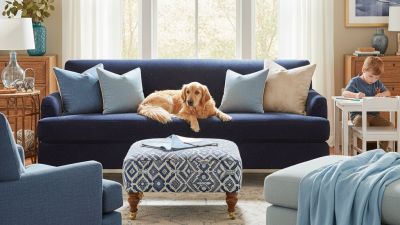
A sofa faces a demanding routine: denim seams, coffee spills, pet claws, sunlight, and repeated sitting. The right couch fabric must handle these pressures without becoming difficult to clean. It should also feel comfortable against bare skin and suit the room’s lighting. Appearance matters, but performance matters longer.
Market research reflects this practical shift. Grand View Research identifies upholstery as a major segment within the global home-textile market, supported by furniture replacement and interior renovation demand. Future Market Insights also forecasts steady growth for upholstery fabrics through 2033. These reports suggest stronger consumer interest in materials that combine style, resilience, and easier maintenance. However, market growth does not prove that every “performance” label means the same thing.
Testing needs careful interpretation. ASTM D4157 evaluates abrasion resistance through controlled rubbing, yet a laboratory result cannot perfectly recreate a family room. A high double-rub rating will not prevent every stain, snag, or fading problem. Fabric construction, finish, cleaning habits, and daily use all change the outcome. That is easy to overlook.
William Morris, the influential textile designer, offered a useful standard: “Have nothing in your houses that you do not know to be useful, or believe to be beautiful.” The best couch fabric should meet both conditions. This guide examines ten fabric types, including polyester, microfiber, leather, linen blends, and performance textiles. Each option has strengths and compromises. Some clean beautifully but feel less natural. Others feel luxurious but demand faster attention after spills. There is no perfect choice. There is only a better match for your household, habits, and patience.
What Makes a Couch Fabric Durable and Easy to Maintain
Durability begins with the fabric’s construction, not its label.
Tight weaves resist snagging, while solution-dyed fibers keep color deeper inside the yarn. Polyester and olefin usually handle daily friction well. Performance matters.
The Association for Contract Textiles recommends testing upholstery with recognized abrasion methods, including ASTM D4157. Its guidelines commonly place high-traffic fabrics near 30,000 double rubs or more. However, double-rub results do not predict a sofa’s exact lifespan. A fabric can pass testing yet fail from sharp pet claws, loose stitching, or poor frame support. That detail is easy to overlook.
Easy maintenance depends on more than stain resistance.
A removable, machine-washable cover simplifies real household accidents. Dense polyester often releases crumbs and surface spills with gentle vacuuming and water-based cleaning. Olefin resists many moisture-based stains, but oily marks may still penetrate. Leather wipes clean quickly, although it can dry or crack without conditioning. Acrylic fabrics offer strong color retention in bright rooms, yet their texture may feel less soft.
The 2024 Home Furnishings Association consumer guidance emphasizes checking cleaning codes before purchase. Codes such as W, S, and WS indicate different approved cleaning methods. Always follow the manufacturer’s instructions. I would also test a hidden area first. Even careful cleaning can leave a ring, and no performance chart replaces practical use. Consider sunlight, children, pets, and how often the couch receives visitors.
How Natural and Synthetic Fibers Perform on Everyday Sofas
Choosing sofa fabric means balancing abrasion resistance, comfort, cleaning, and appearance. In upholstery testing, ASTM D4157 and ISO 12947 measure rubbing, but laboratory results cannot fully copy children, pets, or spilled coffee. A high rub score helps, yet construction matters too. Tight weaves usually resist snagging better than loose bouclé textures.
Natural fibers feel breathable and warm. Cotton and linen can soften beautifully, but they often absorb stains and may wrinkle or fade near bright windows. Wool performs better against wear and can recover from pressure, although it may need careful cleaning. Synthetic fibers offer practical strength. Polyester resists fading and moisture, while nylon improves abrasion resistance. Textile Exchange’s 2024 Materials Market Report states that polyester represented about 57% of global fiber production in 2023. That scale supports its widespread use, but it does not guarantee a better sofa. I would not choose by fiber name alone.
Tips: Ask for the fabric’s abrasion method, test result, cleaning code, and lightfastness rating. Rub a sample with denim, press it under a damp cloth, and inspect the weave afterward. Blended fabrics can be sensible, but blend percentages sometimes hide trade-offs. A polyester-linen cover may feel pleasant, yet it can still stain quickly. The International Association of Bedding and Furnishing Inspectors advises checking seams, cushion construction, and fabric performance together. That is easy to overlook. My practical mistake was trusting a soft sample more than its maintenance instructions.
10 Best Couch Fabric Types for Durability and Easy Care
Comparative scores below reflect typical upholstery performance by fiber type. Actual results vary with weave, fabric weight, finish, and cleaning instructions.
How to read the chart: Higher scores indicate better expected resistance to everyday wear and simpler routine maintenance. Synthetic fibers generally score higher for stain resistance and cleaning, while natural fibers offer breathability and texture but may require more careful care.
Ten Reliable Couch Fabric Types for Different Household Needs
10 Best Couch Fabric Types for Durability and Easy Care
Ten Reliable Couch Fabric Types for Different Household Needs
Choosing couch fabric depends on traffic, pets, sunlight, and cleaning habits. ACT’s Upholstery Factsheet commonly uses 15,000 double rubs for low-traffic upholstery and 30,000 for high-traffic use. That figure measures abrasion, not years of service. Do not confuse them. Polyester and microfiber suit busy homes because they resist wrinkles and dry quickly. Dense microfiber also traps less visible debris during daily vacuuming. For sunny rooms, solution-dyed acrylic can offer stronger color retention. Still, window exposure can fade any textile over time.
Cotton and linen blends feel cool and natural, but they crease and absorb spills quickly. Wool blends provide springy recovery and useful soil resistance, although their price may limit larger sofas. Polyester velvet creates a soft, rich surface and usually handles routine cleaning well. Its pile can show pressure marks after a long evening.
Chenille feels comfortable, yet its raised yarns may catch on claws. Families with young children may prefer tightly woven polyester over loose boucle textures. Pet owners should inspect the weave closely, not only the fabric label.
The U.S. Environmental Protection Agency reports that indoor pollutant levels can be two to five times higher than outdoor levels. Regular vacuuming and prompt blotting therefore matter, especially in sealed rooms. A washable, removable cover is helpful, but no couch fabric is maintenance-free. I would also test a hidden corner first; cleaning instructions are sometimes optimistic. When comparing samples, rub them, bend them, and place them near the actual window. A showroom light can hide practical weaknesses.
How to Compare Stain Resistance, Texture, and Long-Term Wear
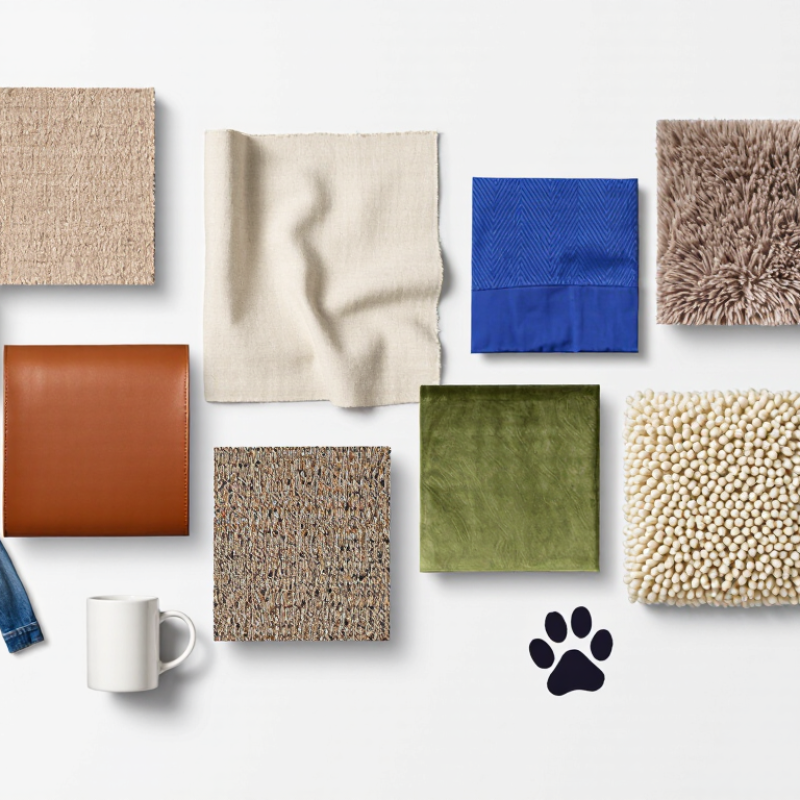
Choosing among the 10 best couch fabric types requires more than touching a sample. Stain resistance, texture, and wear must be compared separately. A tight, smooth weave usually traps less food and pet hair. Microfiber often feels practical, while linen blends offer cooler texture but may wrinkle. Bouclé feels soft and sculptural, yet its loops can catch on claws or rough clothing.
For durability, check the test method, not only the number. The Association for Contract Textiles (ACT) Upholstery Performance Guidelines commonly use 15,000 double rubs for general residential use and 30,000 for heavier traffic. ASTM D4157 Wyzenbeek and ASTM D4966 Martindale results are not directly interchangeable. That detail is easy to miss. A higher score does not automatically mean better comfort or construction.
For stains, ask whether the fabric was tested under AATCC TM 130. This method rates soil release from 1 to 5, with higher scores indicating easier cleaning. The result still depends on spill type, cleaning time, and fabric color. Performance finishes can help, but “stain-proof” is an unrealistic promise. Dark pet hair may show more clearly on pale upholstery, even when the fabric cleans well. The comparison also becomes imperfect when samples are tiny. A showroom swatch cannot reproduce years of sunlight, denim friction, spilled coffee, and repeated cleaning. I would test a sample with water, oil, and a blunt fingernail before choosing. Look closely. Scrutinize the seams.
How to Choose the Best Couch Fabric for Your Lifestyle
Choosing the best couch fabric starts with your daily habits, not a showroom photograph. A busy household may need performance polyester, microfiber, or tightly woven canvas. These fabrics resist frequent rubbing and usually clean more easily. Families with pets should inspect the weave carefully. Loose loops can catch claws. Chenille feels soft, but its texture may show flattened areas over time.
Cotton and linen offer a cool, natural feel for relaxed rooms. However, both can wrinkle and absorb spills quickly. Wool blends provide warmth and resilience, while acrylic can suit bright spaces because it often resists fading. Velvet creates a rich look, yet it may reveal pressure marks after use. Leather is easy to wipe, but it can feel cold initially and needs conditioning. The best choice depends on comfort, sunlight, cleaning habits, and expected use.
I once preferred a pale linen sofa because it looked calm and elegant. That choice was not practical near a coffee table. Now, I test fabric samples beside windows and under indoor lighting. Rub ratings can help compare durability, but they cannot predict every home situation. Ask for cleaning instructions before buying. Check whether the fabric allows removable covers and inspect the stitching closely. A dark, tightly woven fabric may hide crumbs better, while a washable cover can matter more than appearance. Leave room for mistakes. Your lifestyle may change.