
Best Flower Scented Candles in 2026 for Wholesale Buyers
Flower Scented Candles can help wholesale buyers build a collection that feels fresh, seasonal, and easy to merchandise. But a beautiful floral name is only a starting point. Buyers should assess the fragrance itself, the wax blend, burn consistency, vessel finish, packaging, and reorder reliability. Think of a rose candle with a clean, soft opening, or jasmine that stays gentle rather than turning sharp in a small showroom. Small details matter.
This guide compares floral profiles such as rose, peony, lavender, and gardenia, alongside practical wholesale factors: sample availability, minimum order quantities, lead times, and clear product specifications. Test candles in real rooms. Keep notes on cold throw and hot throw. Ask suppliers how they maintain consistency between batches. No scent performs the same everywhere. Even a promising sample may need another review.
A trustworthy expert quotation needs a verifiable source. Since no source was provided, this introduction avoids inventing a specialist’s name or attributing an unverified statement. A useful buying principle is: “Choose the candle that performs reliably, not only the one with the prettiest floral description.” Floral fragrance is subjective, and wholesale forecasts can miss. Leave room for that uncertainty.
How Floral Scented Candles Are Classified in 2026
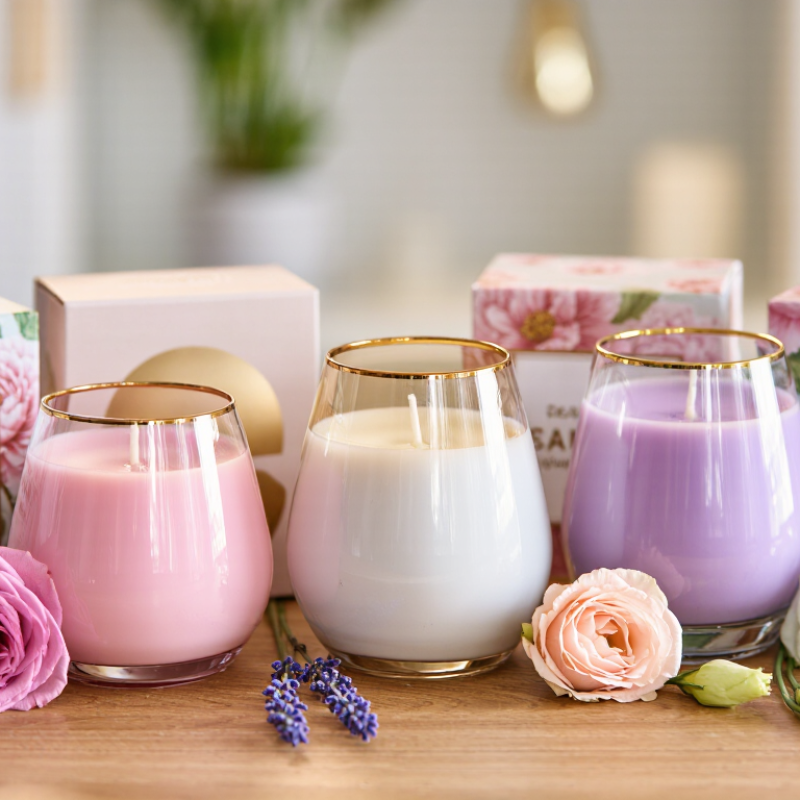
Floral scented candles are commonly classified by their dominant note, scent family, and overall character. Single-flower scents feature one clear impression, such as rose, jasmine, or lavender. Bouquet blends combine several floral notes, while green florals add leafy or stem-like freshness. Powdery florals feel soft and cosmetic; citrus florals pair petals with brighter peel notes. These categories help wholesale buyers compare products, but the boundaries are not exact. A rose blend can smell green in one wax and sweeter in another.
For purchasing, classify samples by both scent profile and performance. Smell each candle cold, then assess its fragrance during a consistent burn test in a similar-sized room. Note whether the floral heart remains clear or becomes overly sweet, sharp, or faint. Small details matter: a fresh-cut stem impression may suit spring collections, while a rounded powdery scent may fit gift assortments. Keep simple records of wax type, fragrance description, and test conditions. It is not always tidy. A neat category chart can still mislead if two blends share a label but smell very different. Review samples in person before setting wholesale assortments, and describe each scent with specific, honest language.
Best Flower Scented Candles in 2026 for Wholesale Buyers - How Floral Scented Candles Are Classified in 2026
| Floral classification | Common scent profile | Typical candle format | Wholesale buyer considerations | Suitable positioning |
|---|---|---|---|---|
| Rose floral | Soft petal, powdery, fruity, or green facets; often paired with musk or woods. | Glass jar or lidded tumbler; single-wick formats are common in smaller vessels. | Ask for a cured sample: fragrance character and perceived strength can change after the wax has set. | Gifting, bedroom, and year-round floral collections. |
| Jasmine floral | Rich white-flower character, commonly described as sweet, warm, and sometimes indolic. | Lidded jar or decorative vessel; often blended with citrus, tea, or woods. | Evaluate the fragrance in the finished candle, since concentrated fragrance can smell different from a blotter sample. | Evening, relaxation, and premium-feeling gift assortments. |
| Lavender floral-herbal | Aromatic, herbaceous, and floral, with possible camphor-like or woody nuances. | Jar, tin, or smaller room candle; frequently blended with woods or other herbs. | Check that the blend remains balanced when burned; herbal facets can become more noticeable with heat. | Bedtime, self-care, and spa-inspired ranges. |
| White floral | A broad family that may include jasmine, orange blossom, gardenia, or tuberose notes; often creamy or sweet. | Medium or large jar; blends may include citrus, amber, or green notes. | Request a clear note description and test across more than one room size to assess scent intensity. | Statement fragrances and spring or summer collections. |
| Green floral | Fresh leafy or stem-like notes alongside petals; may include violet leaf or cut-grass impressions. | Jar or tin; often composed as a lighter, airy fragrance. | Compare cold and burning performance; a fresh top impression may not represent the full fragrance after lighting. | Daytime, fresh-home, and garden-inspired assortments. |
| Powdery floral | Soft floral notes with cosmetic, musky, or dry-wood impressions; violet and iris accords are common descriptors. | Decorative jar or lidded vessel; frequently paired with musk or soft woods. | Review the full fragrance description to distinguish a soft powdery profile from a sweeter floral blend. | Classic, vintage-inspired, and gifting ranges. |
| Citrus-floral | Floral heart notes supported by bright citrus facets, such as bergamot or orange-blossom impressions. | Jar or tin; commonly suited to fresh, lighter-feeling blends. | Confirm fragrance documentation and applicable labeling requirements for the intended sales market. | Spring, summer, and entry-level gift sets. |
| Wax and wick classification | Common candle bases include paraffin, vegetable waxes such as soy, and blended waxes. Wick choice depends on the wax, fragrance, and vessel. | Container, pillar, and tin formats require different product testing and wick configurations. | Request burn-test results for the finished candle. Do not treat wax type alone as a guarantee of burn quality or fragrance performance. | Use material and format details to compare like-for-like products and plan assortment tiers. |
Buyer note: Scent descriptions are common fragrance-family conventions, not standardized product grades. Burn time and performance vary with candle weight, vessel diameter, wax blend, wick, fragrance load, and use conditions; confirm specifications and safety testing with the supplier.