What is Blue Upholstery Fabric and Why Choose It?
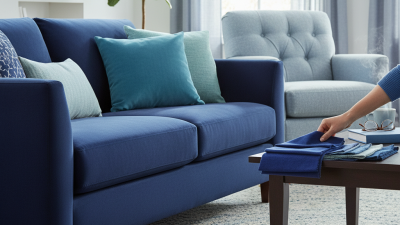
Blue upholstery fabric is a versatile and appealing choice for many interior design projects. Its rich color can significantly enhance the aesthetic of a space, adding a touch of elegance and tranquility. This fabric has a unique ability to complement various design styles, from modern to traditional. Choosing blue upholstery fabric means selecting a hue that evokes calmness and serenity.
Experts agree that blue upholstery fabric is more than just visually pleasing. It offers practical benefits too. Many blue fabrics are durable and resistant to wear, making them suitable for high-traffic areas. They can withstand everyday use while retaining their vibrant appearance. This durability makes it a reliable option for both residential and commercial settings.
While blue upholstery fabric can look stunning, it’s essential to consider factors like color matching and fabric type. Not every shade of blue will suit your space perfectly. It’s also critical to select a high-quality fabric that suits your lifestyle. These decisions require reflection and careful consideration to achieve the desired impact.
What is Blue Upholstery Fabric?
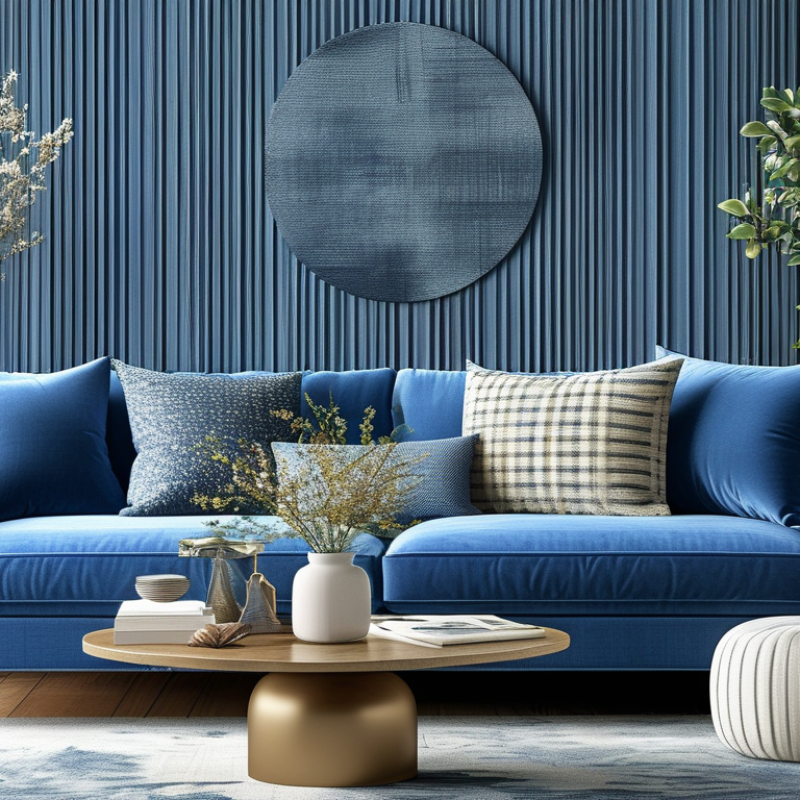
Blue upholstery fabric is a versatile choice in interior design. Often associated with tranquility, blue comes in various shades, from deep navy to soft sky. This color enhances a room's ambiance and can evoke feelings of calmness and sophistication.
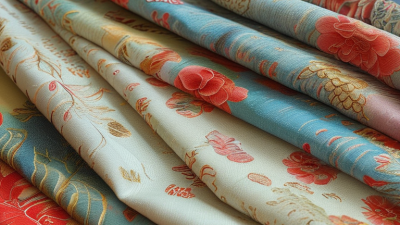
When selecting blue upholstery fabric, consider the type of material as well. Cotton is breathable and easy to clean, while velvet adds a touch of luxury. Some may wrestle with choosing the right shade. Lighter blues can make a space feel larger, whereas darker hues can create warmth and depth. Mixing patterns can add character but may also lead to visual clutter if done excessively.
Moreover, blue upholstery can adapt to different styles, from modern to traditional. It can be paired with neutral tones or vibrant accents, allowing for creativity in design. However, the challenge lies in finding the perfect balance. Too much blue can feel overwhelming; just the right amount can elevate a design. This fabric choice invites exploration and a bit of self-reflection on personal style.
History and Evolution of Upholstery Fabrics
Upholstery fabrics have a long and rich history stretching back centuries. Initially, they were made from natural fibers like wool and silk. These materials were prized for durability and comfort. As time passed, innovation led to the creation of synthetic fibers. This development significantly expanded the options available for upholstery.
During the 19th century, upholstery became an art form. Craftspeople began to prioritize design alongside practicality. Bright colors and intricate patterns emerged, changing the landscape of fabric choices. This era marked a shift, with people seeking aesthetic beauty in their furniture. Blue upholstery fabric became notable for its versatility and calming presence.
In recent years, sustainability has become a crucial factor. Consumers now consider the environmental impact of their choices. Fabrics made from recycled materials are gaining popularity. Yet, the challenge remains to balance eco-friendliness with durability and style. As options grow, the dialogue about what defines quality upholstery continues. The history of these fabrics serves as a backdrop for modern discussions, highlighting the need for both innovation and tradition.
Benefits of Choosing Blue Upholstery Fabric
Blue upholstery fabric offers a unique charm that many homeowners appreciate. The color blue is often linked to calmness and tranquility. Research from the Color Marketing Group indicates that blue shades remain a top choice in interior design trends. People are drawn to these shades for their soothing effects.
Choosing blue upholstery fabric can enhance the overall ambiance of a room. According to a survey by the American Home Furnishings Alliance, blue furniture can increase feelings of relaxation by up to 15%. This makes it ideal for living rooms or bedrooms. A deep navy or a soft sky blue can influence mood positively.
Durability is another key benefit. Many blue upholstery fabrics, such as microfiber or canvas, resist stains while maintaining their vibrancy. Studies show that fabrics in darker hues often hide dirt better, making them more practical for families. However, some fabric types may fade over time, requiring care in selection. Balancing aesthetics and functionality is essential when choosing upholstery materials.
Different Types of Blue Upholstery Fabrics Available
Blue upholstery fabric is a versatile choice for furniture and décor. It comes in various types, each offering unique benefits. Cotton blends are popular for their breathability and ease of cleaning. They remain a favorite for family homes. Synthetic options like polyester provide durability and stain resistance, making them ideal for high-traffic areas.
Velvet remains an elegant choice, giving a luxurious feel. Its soft texture enhances any space. Yet, velvet may require more maintenance, which some might neglect. Denim is an unexpected yet practical option, offering a casual style with significant durability. This material can withstand wear and tear, fitting well in modern settings.
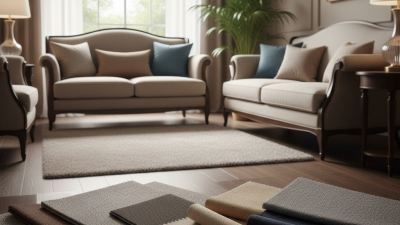
When selecting blue upholstery fabric, consider the room's overall style. Lighter shades often brighten spaces, while darker hues add sophistication. Test fabric samples in natural light for the best effect. Regular maintenance is key to longevity. Clean spills immediately to prevent stains. It's important to remember that even the best fabrics can wear over time. Regular inspections can catch issues early, ensuring your investment lasts.
Different Types of Blue Upholstery Fabrics Available
| Type |
Material |
Durability |
Maintenance |
Price Range |
| Cotton |
100% Cotton |
Moderate |
Easy to Clean |
$15 - $30 per yard |
| Velvet |
Polyester Blend |
High |
Professional Cleaning Recommended |
$25 - $50 per yard |
| Denim |
Cotton with Polyester |
Very High |
Machine Washable |
$20 - $40 per yard |
| Microfiber |
Polyester |
High |
Easy to Wipe Clean |
$15 - $35 per yard |
| Canvas |
Cotton or Polyester |
Very High |
Spot Clean |
$10 - $25 per yard |
How to Care for Blue Upholstery Fabric
Caring for blue upholstery fabric requires attention and knowledge. This fabric is often made from materials like polyester or cotton, both known for durability. However, proper maintenance can prolong its lifespan significantly. According to a report by the Furniture Industry Association, regular cleaning can increase the lifespan of upholstery by up to 30%.
Vacuuming is essential. It removes dust and dirt that can cause fabric wear. Use a soft brush attachment to avoid snagging. Spot clean stains immediately with a mild detergent solution. This prevents stains from setting in. The American Cleaning Institute suggests using a pH-neutral cleaner for best results. Test any cleaner in an inconspicuous area first.
Avoid direct sunlight to minimize fading. According to studies, exposure to sunlight can cause up to 40% of fabric color loss. When possible, rearrange furniture to reduce continuous sunlight exposure. For deeper cleaning, professional upholstery cleaning is recommended every 1-2 years. This removes deeper dirt and allergens. Following these guidelines can keep blue upholstery looking vibrant and fresh while extending its durability.