Top Characteristics of Silk Fabric You Should Know?
Silk fabric remains a luxurious choice in the textile industry. Recent market reports show that the global silk market is expected to reach $18.66 billion by 2025. This growth is driven by increasing demand for high-quality, fashionable garments. Silk is prized for its softness, sheen, and unique draping qualities.
However, silk fabric is not without its challenges. Sustainable production methods are becoming a priority. Many consumers are now aware of ethical concerns surrounding silk farming. The industry's reliance on traditional practices can sometimes overshadow advancements in sustainability.
Additionally, silk's sensitivity to environmental factors warrants attention. It can fade or weaken when exposed to sunlight or moisture. As buyers seek out high-quality silk, awareness of these characteristics is essential. Understanding the nuances of silk fabric will enhance your appreciation for its timeless elegance.
Understanding the Origins and Production of Silk Fabric
Silk fabric has a rich history that goes back thousands of years. Its origins date back to ancient China, around 2700 BC. The methods used to produce silk evolved over time, showing a blend of skill and art. The process begins with the silkworm, which spins cocoons made from silk threads. This delicate cycle is fascinating yet requires careful handling.
Modern silk production has grown significantly. According to the Food and Agriculture Organization, global silk production reached approximately 150,000 metric tons in recent years. The majority of this comes from China. The method of harvesting silk can be controversial. It raises ethical questions regarding the treatment of silkworms used in production. Some producers are exploring more humane methods, but challenges remain.
Additionally, silk's environmental impact is another concern. The cultivation of mulberry trees, essential for feeding silkworms, affects land use. Land overuse can lead to soil degradation. Some studies suggest that sustainable practices can mitigate these issues. However, finding a balance between quality silk and environmental care is complex and ongoing.
Top Characteristics of Silk Fabric You Should Know
| Characteristic |
Description |
Origin |
Production Process |
| Softness |
Silk is known for its soft, smooth texture that feels luxurious against the skin. |
China, India, and Brazil are primary producers of silk. |
Silk is produced from the cocoons of silkworms through a meticulous reeling process. |
| Luster |
The natural sheen of silk gives it an alluring visual appeal. |
Primarily sourced from the domesticated Bombyx mori moth. |
After harvesting, silk threads are dyed and woven into various fabrics. |
| Durability |
While it may feel delicate, silk is surprisingly strong and can withstand wear. |
Silk production has a history dating back over 5,000 years. |
Involves careful handling during reeling and weaving to maintain quality. |
| Breathability |
Silk fibers allow for ventilation, making it comfortable in various climates. |
Silk is traditionally tied to Asian countries due to its historical importance. |
Silk is treated to enhance its natural properties, including breathability. |
| Hypoallergenic |
Silk is naturally hypoallergenic, making it suitable for sensitive skin. |
Silk has been utilized across many cultures, valued for its unique properties. |
Silk is often subjected to specific treatments to enhance its hypoallergenic qualities. |
The Luxurious Feel: Texture Characteristics of Silk
Silk fabric is renowned for its luxurious feel.
The texture is often described as soft, smooth, and sensuous.
According to the Textile Research Journal, silk fibers have a unique triangular structure.
This structure reflects light, giving silk its characteristic sheen.
The result? A shimmering appearance that elevates any garment.
When you touch silk, the temperature feels cool against your skin.
This is due to the fabric's low heat retention, making it comfortable to wear year-round.
According to industry studies, silk can absorb moisture up to 30% of its weight without feeling damp.
This property helps regulate body temperature and adds to its desirability.
However, silk's luxurious feel comes with care requirements.
It's prone to fading and may not withstand harsh washing methods.
Consumers often overlook these details, leading to frustration when garments degrade.
Understanding the delicate nature of silk is essential for anyone investing in this luxurious fabric.
Durability and Strength: How Silk Compares to Other Fabrics
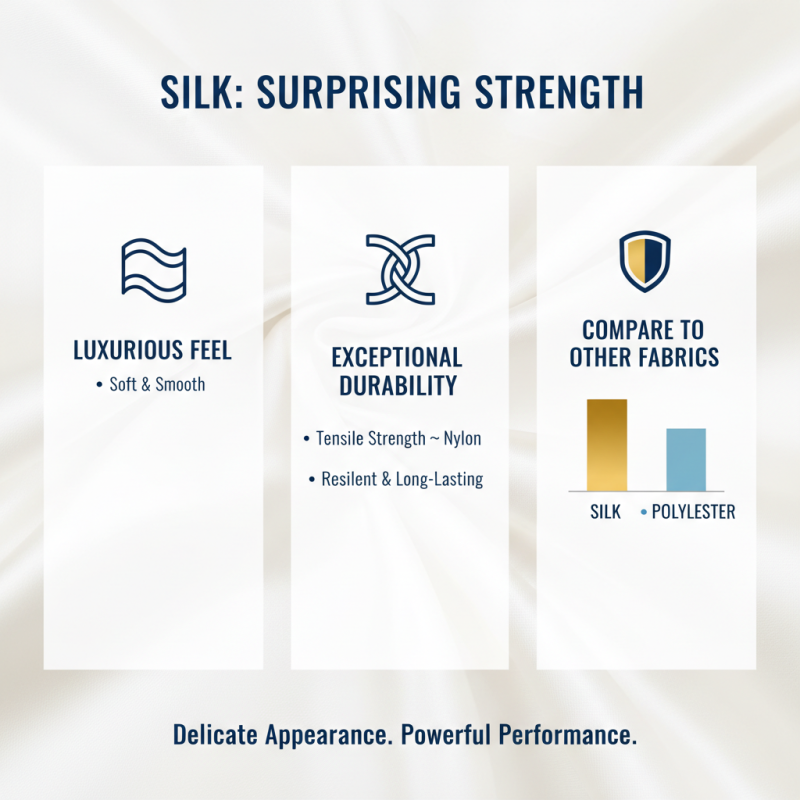
Silk fabric is often celebrated for its luxurious feel. Yet, one of its most impressive features is its durability. Comparing silk to other fabrics, studies indicate that silk fibers possess tensile strength similar to that of nylon. This makes it quite resilient, despite its delicate appearance.
One intriguing finding shows that silk can resist wrinkles better than cotton. This means that silk garments maintain their shape for longer, saving you time on ironing. However, while silk is strong, it is also sensitive to sunlight. Prolonged exposure can lead to color fading and weakening of the fibers.
Tips: When caring for silk, use cool water and a gentle detergent. Avoid harsh cleaning methods. Hanging silk to dry is ideal, as it helps maintain the fabric's structure.
In some cases, silk may not be the best choice for everyday use. Although strong, it can easily get snagged. This is an important consideration for those who lead active lifestyles. Additionally, silk garments often require special care, which can be a hassle. Making informed choices is essential for maintaining your silk items for years.
Care and Maintenance: Preserving the Quality of Silk Fabric
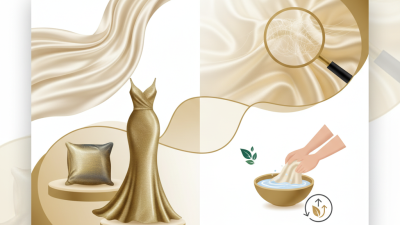
Silk fabric is cherished for its luxurious feel and elegant appearance. However, caring for silk requires special attention. Washing silk by hand in cool water is essential. Avoid harsh detergents. Instead, opt for a gentle soap, specifically designed for delicate fabrics. Rinse thoroughly but with caution. Even a little soap residue can affect the luster of silk.
Drying silk can be tricky. Never wring or twist the fabric, as this may distort its shape. Instead, lay it flat on a clean towel to absorb excess moisture. Sunlight can fade the color over time. Keep silk away from direct sunlight during drying. Ironing silk is another concern. Use a low heat setting and a pressing cloth. It is essential to test a small area first. With just a little care, silk can maintain its beauty for years.
Stains require immediate action. Blot gently instead of rubbing. Each stain is different, and finding the right method can take time. Even those with experience sometimes struggle. Silk has a unique charm, but it can be fickle. Regularly inspecting silk garments for signs of wear helps maintain their quality. Despite the challenges, the allure of silk remains unmatched.
Top Characteristics of Silk Fabric
This chart illustrates the top characteristics of silk fabric based on a rating scale from 1 to 10. The ratings include softness, lustrous finish, strength, breathability, and hypoallergenic properties, showcasing the exquisite qualities that make silk a premium fabric.
Versatility: Applications of Silk in Fashion and Home Décor
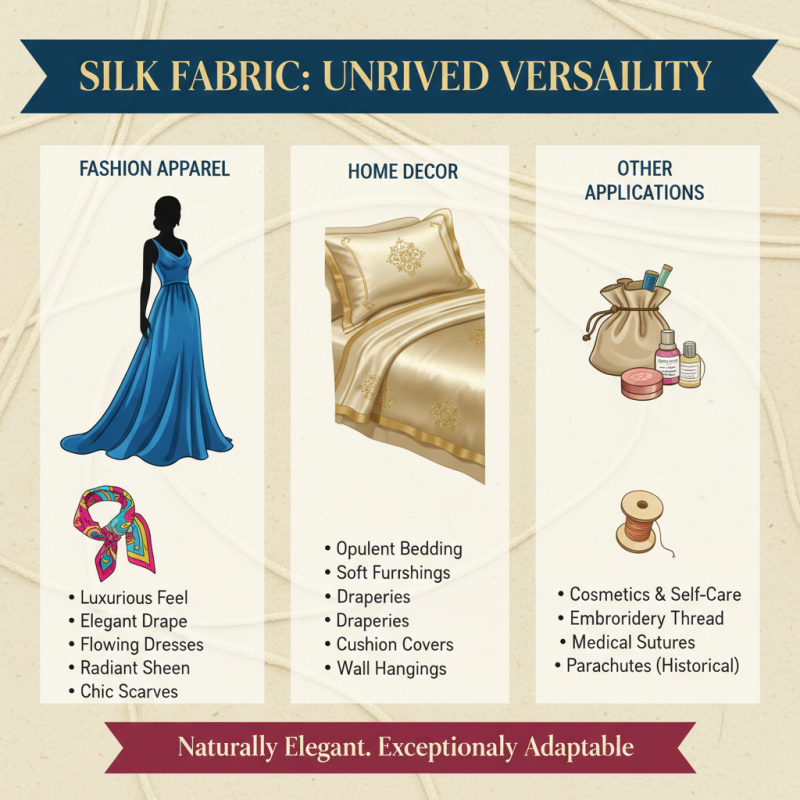
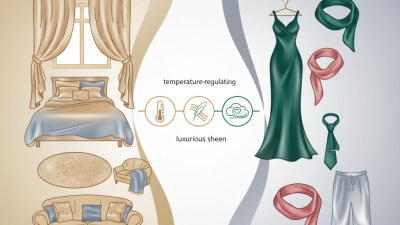
Silk fabric is renowned for its versatility in various applications. In fashion, silk is beloved for its luxurious feel and elegant drape. Dresses made from silk flow beautifully, enhancing the wearer's silhouette. The fabric's natural sheen catches light in mesmerizing ways, attracting attention effortlessly. Silk scarves add a pop of color and style, elevating even the simplest outfits.
In home décor, silk finds its place in curtains and upholstery. Its soft texture can transform a room into a tranquil oasis. A silk throw blanket on a couch creates warmth and sophistication. However, silk's delicate nature requires careful maintenance. It can easily be damaged by sunlight or spills. One must weigh its beauty against the need for special care.
While silk enhances aesthetics, it can feel extravagant. Some may hesitate to invest in silk pieces, fearing they won't last. The journey of caring for silk can prompt reflections on sustainability. Choosing silk might encourage us to appreciate quality over quantity, leading to a more mindful consumption pattern.