Why Choose Bamboo Diapers at the 2026 Canton Fair?
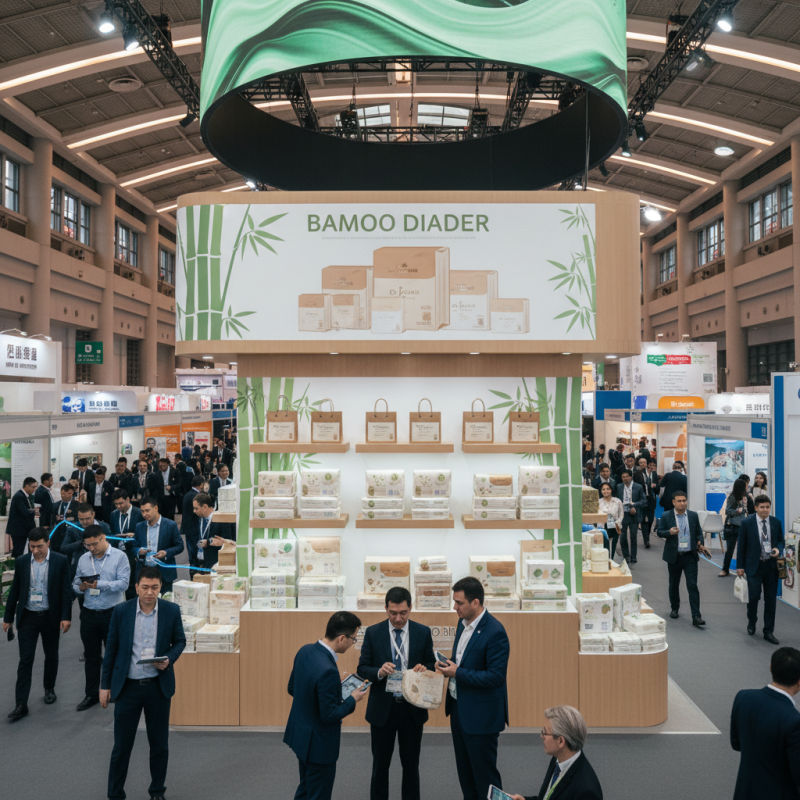
The 2026 Canton Fair presents a unique opportunity for businesses to explore innovative products, particularly Bamboo Diapers. With an increasing focus on sustainability, bamboo products are gaining popularity. These diapers are biodegradable and environmentally friendly, appealing to conscious consumers.
The fair will run from April 15 to May 5, 2026, featuring multiple phases that highlight various sectors. The focus on textiles in this event makes it ideal for showcasing Bamboo Diapers. Attendees can take advantage of advanced AI navigation to find quality suppliers swiftly. This is essential in a vast exhibition space.
However, the transition to bamboo products is not without challenges. Producers must ensure consistent quality and address consumers' concerns about price and availability. The fair provides a platform for dialogue, allowing for reflections on these issues. By engaging with suppliers, buyers can uncover the potential of Bamboo Diapers as a responsible choice for modern parenting.
The Rise of Bamboo Diapers in the Baby Care Market
In recent years, bamboo diapers have gained significant attention in the baby care market. Parents are becoming more conscious of the materials they're choosing. Bamboo's natural properties make it an appealing option. It is soft, breathable, and hypoallergenic. These qualities help reduce skin irritations in babies. Bamboo also has antimicrobial benefits, which can enhance comfort and cleanliness.
Tips for parents: Always check for certifications on the product. Look for eco-friendly labels. Not all bamboo diapers are created equal. Researching can save money in the long run. Choosing biodegradable options is also a plus for the environment.
However, choosing bamboo diapers isn't without challenges. Some parents find them to be pricier than conventional options. The fit and absorption may also vary between brands. It can take time to find the right one that works for your baby. Understanding the differences will guide you in making informed choices. Being patient with this process is key.
Growth of Bamboo Diapers in the Baby Care Market
The chart above illustrates the rising market share of bamboo diapers over the years from 2019 to 2025, indicating a significant growth trend within the baby care market. As consumers become more eco-conscious, the demand for sustainable products like bamboo diapers is expected to continue to rise.
Key Benefits of Using Bamboo Diapers Over Traditional Options
When it comes to eco-friendly parenting, bamboo diapers stand out. Unlike traditional disposable diapers, bamboo options are made from renewable resources. Industry research shows that bamboo absorbs more carbon dioxide than other plants. This characteristic helps reduce the overall carbon footprint.
Bamboo fibers are naturally hypoallergenic. They have fewer chemicals compared to conventional diapers. According to a report by the Environmental Protection Agency (EPA), traditional diapers can contribute to landfill waste for up to 500 years. Bamboo diapers, however, biodegrade more quickly, making them a smarter choice for the planet. They also provide exceptional softness, ensuring comfort for babies with sensitive skin.
Tip: Always check for certifications when choosing bamboo diapers to ensure they meet environmental standards.
You may wonder about cost. Bamboo diapers can be slightly more expensive upfront. Yet, some studies point out that they can lead to long-term savings. Fewer diaper rashes mean fewer visits to the doctor. It's essential to weigh this factor when planning your budget.
Tip: Consider purchasing in bulk to save money on bamboo diapers without sacrificing quality.
Sustainability and Environmental Impact of Bamboo Diapers
Bamboo diapers are gaining attention for their sustainable qualities. They are biodegradable and eco-friendly. Made from bamboo fibers, they break down naturally in the environment. This contrasts sharply with traditional disposable diapers, which can take centuries to decompose. The shift towards bamboo products reflects growing awareness of environmental issues.
In addition to being eco-conscious, bamboo diapers are gentle on a baby's skin. Bamboo fabric is soft and breathable, reducing the risk of rashes and irritation. However, not everyone is convinced. Concerns about the manufacturing process exist. Some question if bamboo production is genuinely sustainable. Certifications can help clarify this but are not always easy to find.
Choosing bamboo diapers raises important questions. Are we making choices for the planet or merely for marketing? The 2026 Canton Fair will likely address these issues. It’s a chance for discussion around sustainability in baby products. Attendees can engage in meaningful conversations about real impacts versus perceived benefits.
Innovations in Bamboo Diaper Technology and Design
Bamboo diaper technology has made significant advancements recently. These eco-friendly diapers are not just popular; they are shaping the future of comfort and sustainability. The latest innovations focus on absorption, breathability, and user comfort. Reports indicate that bamboo fiber can absorb three times its weight in moisture. This ensures a drier experience for babies and reduces diaper rash incidents.
Moreover, the design of bamboo diapers has evolved notably. The use of natural bamboo materials provides benefits beyond absorption. Bamboo fabrics are softer and hypoallergenic, making them ideal for sensitive skin. Studies show that around 30% of babies experience skin irritation with traditional diapers. The introduction of bamboo alternatives can potentially lower this percentage.
Nevertheless, challenges remain. Some parents express concerns about the cost of bamboo diapers. These products can be pricier than disposable options. Additionally, there is a learning curve to using reusable systems effectively. As awareness grows, industry experts believe more affordable solutions may emerge. The ongoing innovation in bamboo diaper technology could address these barriers, making them accessible for more families.
Consumer Trends and Feedback on Bamboo Diapers at Trade Shows
In recent years, bamboo diapers have gained attention for their eco-friendly attributes. At the 2026 Canton Fair, consumer trends reflect a growing interest in sustainability. A report from the Eco-Conscious Baby Market indicates that around 65% of parents now prioritize sustainable products over traditional options. This shift is evident in the increasing presence of bamboo products at trade shows.
Feedback from attendees reveals mixed feelings. Many parents appreciate the softness and breathability of bamboo fabric. Some report fewer diaper rashes, which is a significant concern. However, others question the durability compared to standard disposable diapers. Research shows that while bamboo diapers biodegrade faster, they can sometimes struggle with leakage in heavy-use situations. This complexity demonstrates the need for more innovation in design.
Social media discussions highlight these strengths and weaknesses. A survey by Green Parenting Magazine found that 70% of parents would recommend bamboo diapers, but only if improvements are made. This duality in consumer feedback suggests a demand for better education on care and selection. Addressing these points at trade shows is essential. It provides an opportunity for manufacturers to engage directly with consumers and understand their concerns more deeply.