Why Choose Green Upholstery Fabric for Your Home Decor?
Choosing green upholstery fabric for your home decor isn’t just a trend; it’s a commitment. With growing awareness of environmental issues, many homeowners seek sustainable options. According to a recent report by the Global Sustainable Textile Coalition, the demand for eco-friendly upholstery is expected to rise by 30% in the next five years. This signifies a shift towards materials that protect the planet while enhancing our living spaces.
Green upholstery fabric offers numerous advantages. These fabrics are often made from organic materials, reducing harmful chemicals in our homes. Studies indicate that indoor air quality can improve significantly with non-toxic upholstery. Eco-friendly options also tend to be more durable, providing long-term savings. However, the market is saturated with products claiming to be "green." It’s essential to research and verify certifications to ensure authenticity.
Some homeowners may hesitate to invest in green upholstery due to perceived costs. It’s true that initial prices can be higher. Yet, eco-friendly choices lead to fewer health risks and lower maintenance costs over time. Sustainable fabrics resonate with those who desire a home that reflects their values. Ultimately, the decision to choose green upholstery fabric is both personal and environmentally significant.
Understanding Green Upholstery Fabric: Definition and Benefits
Green upholstery fabric is gaining popularity in home decor due to its sustainable qualities. This type of fabric often comes from natural, organic materials. These materials are less harmful to the environment, promoting eco-friendliness. Many homeowners appreciate how this choice can reduce their carbon footprint.
In addition to being environmentally friendly, green upholstery offers various benefits. It often provides better indoor air quality. Traditional fabrics can release harmful chemicals. Green fabrics tend to be made without these toxins, resulting in a healthier home.
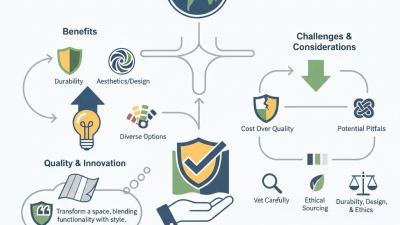
Many green upholstery options also boast durability, making them a long-term investment. However, some may find that these fabrics can be pricier than standard options. This can be a concern for budget-conscious consumers. But, the long-term benefits often outweigh initial costs. Homeowners should weigh their options carefully and consider the impact of their choices.
The Environmental Impact of Choosing Sustainable Upholstery Materials
Choosing green upholstery fabric contributes significantly to environmental sustainability. Traditional upholstery materials often involve harmful chemicals and processes. By selecting eco-friendly fabrics, you reduce the carbon footprint associated with home decor. These sustainable options are often made from natural fibers, such as organic cotton or hemp. They require less water and energy during production.
Using green upholstery can also promote indoor air quality. Conventional materials release volatile organic compounds (VOCs) into your home. These substances can lead to health issues over time. In contrast, eco-friendly fabrics are typically non-toxic. This choice creates a healthier living environment for your family.
However, there are challenges to consider. Not all sustainable fabrics are durable. Some may wear out faster than conventional options. Additionally, they can be more expensive, which gives some consumers pause. Weighing cost against long-term benefits is crucial. Choosing green upholstery is a step towards creating a more sustainable home.
Why Choose Green Upholstery Fabric for Your Home Decor?
| Fabric Type |
Environmental Impact |
Durability |
Maintenance |
Aesthetic Variety |
| Organic Cotton |
Pesticide-free, biodegradable |
Moderate |
Machine washable |
Wide range of colors and patterns |
| Bamboo Fabric |
Sustainable, fast-growing resource |
High |
Easy to clean |
Luxurious texture, natural hues |
| Recycled Polyester |
Reduces landfill waste, less resource-intensive |
Very high |
Stain-resistant, durable |
Available in various designs |
| Hemp Fabric |
Natural, requires fewer pesticides |
Very high |
Hand wash recommended |
Earthy tones, unique texture |
| Linen |
Biodegradable, minimal water use |
High |
Wrinkles easily, dry clean recommended |
Classic, timeless look |
Health Benefits of Using Non-Toxic Upholstery Fabrics in Home Decor
Choosing green upholstery fabric for your home can significantly enhance your indoor environment. Non-toxic upholstery materials reduce the risks associated with harmful chemicals. According to the EPA, indoor air pollution can be two to five times worse than outdoor air. The right fabric choice can improve air quality. Research highlights that many conventional fabrics contain volatile organic compounds (VOCs) that contribute to respiratory issues and allergies.
Health-conscious consumers now prefer non-toxic options. Fabrics made from organic cotton or hemp are eco-friendly and safe for the family. These materials are soft yet durable, making them ideal for furniture. A study from the Green Building Council shows that homes using sustainable materials report fewer health complaints. This trend reflects a growing awareness of the importance of toxin-free living spaces.
Tips:
When selecting upholstery fabrics, always look for certifications like GOTS or OEKO-TEX. These labels ensure that the fabric meets strict safety standards. Clean your upholstery regularly with natural cleaners to avoid chemical buildup. Remember, your choice of fabric not only affects your home decor but also your family's health. Start small; even a single chair can make a difference.
Aesthetic Appeal: How Green Upholstery Enhances Home Interiors
Green upholstery fabric brings a fresh perspective to home interiors. Its natural hues create a calming atmosphere. Studies show that nature-inspired colors can reduce stress by 20%. This makes green a perfect choice for living rooms and bedrooms where relaxation is key.
Choosing the right shade matters. Soft sage or deep forest greens can evoke different feelings. Lighter shades can brighten a space, while darker tones add sophistication. According to the Pantone Color Institute, green symbolizes renewal and growth, making it ideal for uplifting any decor style. Fabrics like linen and cotton add texture, enhancing the overall look.
However, selecting green upholstery comes with challenges. Not all green fabrics are eco-friendly. It is essential to research certifications. Organic certifications ensure you choose a reliable option. Consider durability and maintenance. You want fabrics that last and remain vibrant. Reflect on the impact of your choice on both aesthetics and the environment.
Tips for Selecting the Right Green Upholstery Fabric for Your Needs
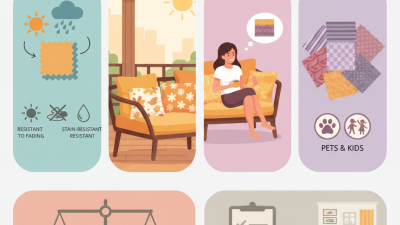
Choosing the right green upholstery fabric can elevate your home decor. The options may seem endless, but focusing on a few key factors can simplify the process. Consider the fabric's durability, especially if you have children or pets. Some fabrics can withstand wear and tear better than others. Look for materials that offer easy cleaning solutions.
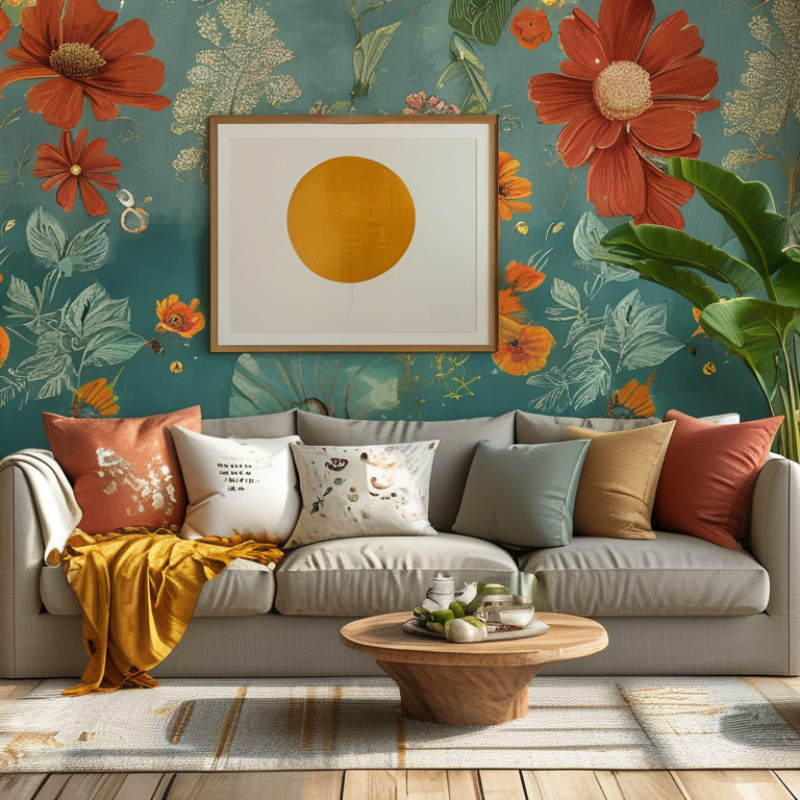
Color shades matter too. A deep forest green can create a cozy feel, while a pastel green brings light and freshness. The texture is just as important. Soft velvet might appeal to those seeking luxury, while a more textured weave can add visual interest. Think about how the fabric will interact with existing decor. Contrast can create dynamic spaces, while matching shades can evoke tranquility.
It’s also crucial to assess the environmental impact of your choices. Sustainable options are increasingly available. Research the sources of the materials to ensure they align with your values. Be mindful that not every fabric labeled "eco-friendly" has the same level of sustainability. Take time to read product details carefully. This consideration adds depth to your home, reflecting a personal commitment to a better planet.