Why Choose Leather Fabric for Your Next Project?
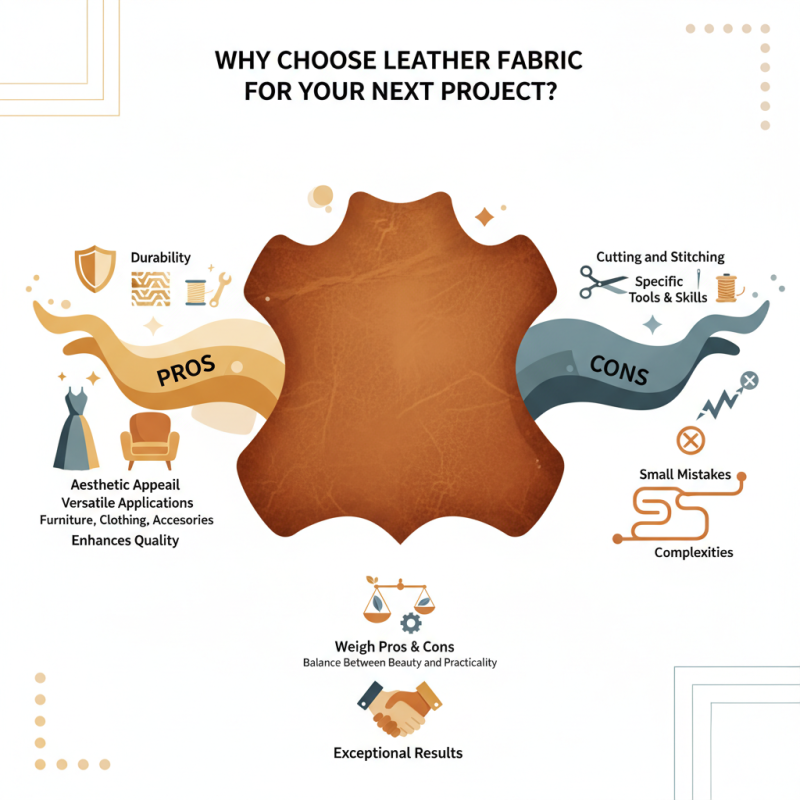
When considering materials for your next project, leather fabric stands out as a popular option. Its rich texture and durability draw many individuals and designers alike. Leather fabric not only offers aesthetic appeal but also practical benefits, making it versatile for various applications.
Using leather fabric can enhance the quality of your project. Its unique character adds elegance to furniture, clothing, or accessories. However, one must also acknowledge that working with leather fabric can be challenging. Cutting and stitching may require specific tools and skills. Even small mistakes can spoil the final look.
Ultimately, the decision to use leather fabric should be well thought out. It’s essential to weigh the pros and cons of this material. While the appeal is undeniable, committing to leather means embracing its complexities. Striking a balance between beauty and practicality can lead to exceptional results.
Benefits of Leather Fabric in Various Projects
Leather fabric is a popular choice for a wide range of projects. Its durability makes it ideal for upholstery, clothing, and accessories. Leather can withstand wear and tear better than many other materials. This longevity means that items made from leather often last years, even decades. It ages beautifully, developing a unique patina over time.
The versatility of leather is another significant benefit. It can be dyed in various colors and textures, allowing for personalized designs. For furniture, leather gives an elegant touch. In fashion, it adds a timeless statement to any outfit. However, working with leather can be challenging. It requires specific tools and techniques. Mistakes can be costly, and the material does not forgive errors easily.
Maintaining leather is crucial for preserving its beauty. Regular cleaning and conditioning are necessary to keep it looking its best. It can easily show scratches or stains, which might not be repairable. Yet, these imperfections often add character. Choosing leather invites you to be mindful of both its beauty and its complexities. It’s a journey of craftsmanship that can be rewarding, but requires thoughtful consideration.
Benefits of Leather Fabric in Various Projects
Durability and Longevity of Leather Fabric
When considering materials for your next project, leather fabric stands out due to its durability and longevity. Leather is known for its exceptional strength. It can withstand the rigors of daily use without showing significant wear. This makes it ideal for furniture, clothing, and accessories that see frequent action. Over time, leather develops a beautiful patina. This characteristic only enhances its appeal as it ages.
Another compelling point is that leather is water resistant to some extent. Although it needs care, a well-maintained leather item can last for years, even decades. Scratches may appear, but they can often be polished out, making leather forgiving. Some people may overlook leather because of its price. While it can be more expensive upfront, its lifespan usually offsets initial costs.
However, not all leather is equal. Poor-quality leather can deteriorate quickly. It's essential to choose wisely and pay attention to details. Look for thickness and texture when selecting. Remember, investing in quality leather means investing in longevity. Your project will not only look good but also stand the test of time.
Versatility of Leather for Different Design Styles
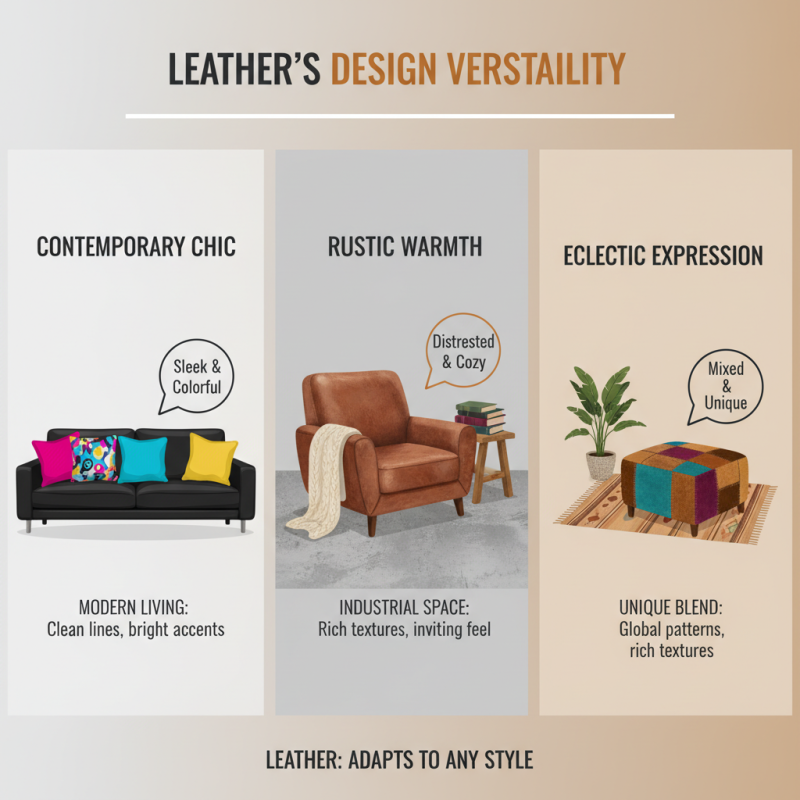
Leather fabric stands out for its incredible versatility across various design styles. It can seamlessly blend with contemporary, rustic, or eclectic themes. Imagine a sleek leather sofa in a modern living room, paired with colorful cushions. The design pops. In contrast, a distressed leather armchair adds warmth to an industrial space.
Tips: Consider the color and texture of the leather. Dark shades work well in minimalistic decor. Lighter hues fit effortlessly in bohemian settings. But remember, leather requires care. It can scuff and show wear. Embrace these unique imperfections; they tell a story.
Leather also transforms with accessories. Throw pillows or blankets made from other materials soften the strong look. They add comfort and balance. Accentuate with plants for an inviting atmosphere. Mixing leather with natural elements creates harmony. Reflect on your choices and what each piece communicates.
Care and Maintenance of Leather Goods
Caring for leather goods requires attention and dedication. Leather is a durable material, but it can wear out if neglected. Proper care ensures that your items remain beautiful and functional for years. Regular cleaning is essential. Use a soft, damp cloth to wipe away dust. This simple step can make a big difference.
For deeper cleaning, consider using a leather cleaner. Test it on a small area first. You want to avoid damaging the material. Over time, leather can dry out. A good conditioner can restore moisture. Apply it sparingly, giving the leather time to absorb.
Here are a few tips to maintain your leather:
- Avoid direct sunlight. It can fade colors and dry out the leather.
- Store leather items in a cool, dry place. Humidity can cause mold.
- Use a soft brush to remove dirt. It’s gentle yet effective.
Remember, leather needs love. Regular checks can catch small issues before they grow. Leather items may develop creases or scratches; embrace these, as they tell a story. With care, your leather will continue to age beautifully.
Why Choose Leather Fabric for Your Next Project? - Care and Maintenance of Leather Goods
| Category |
Benefits |
Care Tips |
Common Uses |
| Durability |
Long-lasting and resistant to wear |
Clean with a damp cloth, avoid excessive water |
Furniture, bags, shoes |
| Aesthetic Appeal |
Luxurious appearance and texture |
Use leather conditioner to maintain gloss |
Jackets, accessories, car interiors |
| Comfort |
Breathable and flexible material |
Store in a cool, dry place to avoid mold |
Clothing, upholstery, footwear |
| Versatility |
Suitable for various styles and designs |
Avoid direct sunlight to prevent fading |
Home decor, fashion items, outdoor gear |
Sustainability Considerations in Leather Production
Leather is a durable material widely used in various projects. However, sustainability in leather production is essential. Traditional tanning methods can be harmful. Recent data shows that up to 80% of leather production involves chemical processes, leading to environmental concerns.
Sustainability can be improved through eco-friendly practices. The sector is gradually shifting towards vegetable tanning. This method uses natural tannins and reduces waste. Reports indicate that leather sourced from responsibly managed farms has a lower carbon footprint.
Tips: Consider sourcing from certified suppliers. Research their environmental policies. Look for leather produced with minimal water usage. Another tip is to reuse leather scraps for smaller projects. This initiative helps in reducing overall waste and promotes creativity. Remember, choosing sustainable leather does not compromise on quality.