How to Choose Faux Leather Upholstery Fabric for Your Home Decor Projects
As the trend of sustainable living continues to gain momentum, homeowners and interior designers alike are increasingly turning to eco-friendly alternatives for their decor projects. One such alternative is faux leather upholstery fabric, which has become a popular choice for its stylish appearance and versatility. According to a recent industry report, the global faux leather market is projected to reach approximately $30 billion by 2025, reflecting a growing consumer preference for cruelty-free and environmentally responsible materials. This surge in demand highlights the importance of selecting the right faux leather upholstery fabric for various applications within home decor.
When choosing faux leather upholstery fabric, it is essential to consider both aesthetic and functional aspects. From versatility in design to durability against wear and tear, the right faux leather can elevate any space while providing practical benefits. Moreover, innovations in fabric technology have resulted in high-quality options that mimic the look and feel of genuine leather without compromising on performance or sustainability. By understanding key factors such as texture, color, and maintenance requirements, homeowners can make informed decisions that resonate with their personal style and the overall ambiance of their living spaces.
Understanding the Characteristics of Faux Leather Upholstery Fabric
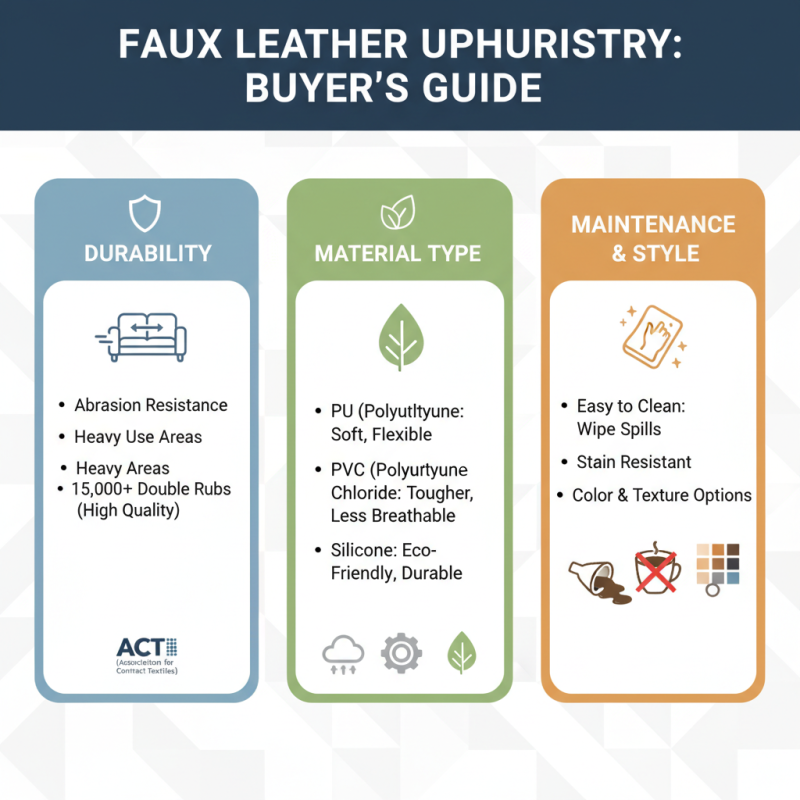
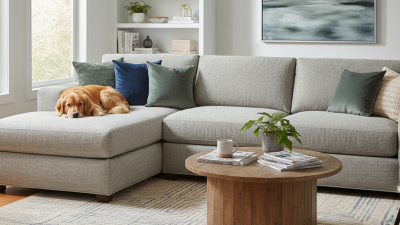
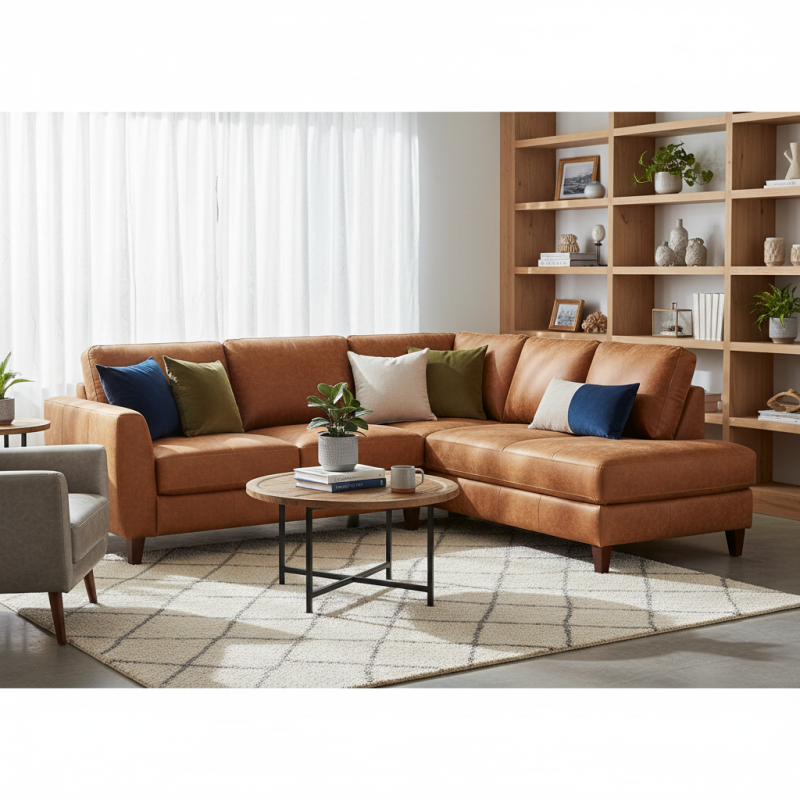
Faux leather upholstery fabric has gained popularity in home decor due to its versatility and variety of qualities. Understanding the characteristics of this material is essential for making informed choices in your decor projects. Faux leather, typically made from synthetic materials such as polyurethane or polyvinyl chloride (PVC), mimics the look and feel of real leather while offering additional practical benefits. It is resistant to stains and easier to clean, making it an excellent option for homes with children or pets.
Another crucial characteristic of faux leather is its durability. While real leather can wear down over time, high-quality faux leather is designed to withstand daily use without losing its appearance. It is often UV resistant, which means it can maintain its color and integrity even when exposed to sunlight. Additionally, faux leather comes in various textures and colors, allowing homeowners to find the perfect match for their existing decor. Whether you're looking for a sleek, modern aesthetic or something more traditional, faux leather can offer the style you desire while still being functional.
Characteristics of Faux Leather Upholstery Fabric
Types of Faux Leather: Choosing the Right Material for Your Style
When it comes to selecting the perfect faux leather upholstery fabric for your home decor projects, understanding the different types of materials available is crucial. Faux leather can be categorized into several types, including polyurethane (PU) leather, polyvinyl chloride (PVC) leather, and microfiber leather. According to a recent market analysis by the NAPCOR (National Association for PET Container Resources), the demand for eco-friendly alternatives like PU leather is on the rise, as it offers a more sustainable option without sacrificing quality and style. PU leather is known for its soft feel and breathability, making it an excellent choice for furniture and accessories.
When choosing your faux leather, consider the aesthetics and functionality you desire. For modern and sleek interiors, you might opt for glossy PVC leather, which is durable and available in vibrant colors. However, if you're aiming for a more textured and natural look, microfiber leather provides a soft touch while mimicking the appearance of real leather. According to Statista, the faux leather market is expected to reach $44 billion by 2026, reflecting its growing popularity among consumers seeking stylish yet affordable options.
**Tips**: Look for fabrics that offer a high abrasion resistance rating, ideally above 40,000 rubs, to ensure longevity in high-traffic areas. Additionally, always verify the eco-friendliness of the materials, as recycled or sustainably sourced faux leathers have a lower environmental impact, aligning with current sustainability trends in home decor.
How to Choose Faux Leather Upholstery Fabric for Your Home Decor Projects
| Faux Leather Type |
Best For |
Durability |
Style |
Care Instructions |
| Polyurethane (PU) |
Sofas and Chairs |
Moderate |
Modern and Sleek |
Wipe clean with a damp cloth |
| PVC (Vinyl) |
Dining Chairs |
High |
Casual and Fun |
Easy to clean, mild soap recommended |
| Mikrofiber |
Recliners and Lounge Chairs |
Very High |
Classic and Elegant |
Vacuum regularly, spot clean |
| Biodegradable Faux Leather |
Eco-friendly Furniture |
Moderate |
Natural and Rustic |
Wipe clean, avoid harsh chemicals |
Factors to Consider When Selecting Faux Leather for Home Projects
When selecting faux leather upholstery fabric for your home decor projects, several critical factors must be taken into account. The first consideration is durability. A report from the Association for Contract Textiles indicates that high-quality faux leather can endure extensive wear and tear, making it suitable for furniture that experiences heavy use. Look for fabrics with a high abrasion resistance rating (over 15,000 double rubs) to ensure longevity.
Another essential factor is the material composition. Faux leather can be made from various polymers, primarily polyurethane (PU) and polyvinyl chloride (PVC). PU faux leather is often touted for its breathability and environmentally friendly attributes, while PVC offers excellent moisture resistance and affordability. It’s crucial to assess your project's specific needs, like whether it will be subjected to spills or pet activity, to choose the right type of faux leather.
Tips: Always request a sample before making a large purchase. This allows you to evaluate color, texture, and quality in your space. Additionally, consider the maintenance requirements of the fabric; some faux leathers are easier to clean, which can save you time and hassle in the long run. Lastly, make sure to check the fabric’s certification, like the OEKO-TEX Standard, to ensure it is free from harmful chemicals and safe for your home environment.
Care and Maintenance Tips for Faux Leather Upholstery
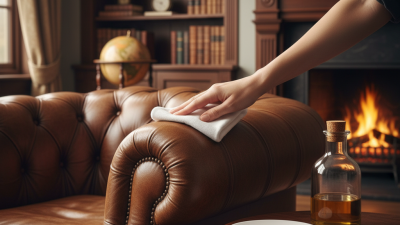
Caring for faux leather upholstery is essential to maintaining its appearance and longevity. According to the AATCC (American Association of Textile Chemists and Colorists), faux leather can endure wear and tear comparable to genuine leather when properly maintained. Regular cleaning is crucial; using a damp cloth with mild soap will often suffice for routine dust and stain removal. Avoid harsh chemical cleaners that can damage the finish, and always test any new cleaning solution on an inconspicuous area first.
Additionally, faux leather can benefit from occasional conditioning. While it is not a porous material like real leather, applying a suitable conditioner can help maintain its suppleness and prevent cracking. The Upholstered Furniture Action Council reports that conditioned faux leather can effectively extend the life of upholstery by up to 50%. Remember to keep faux leather out of direct sunlight to prevent fading, and maintain a stable indoor environment to avoid extreme temperature fluctuations that could lead to deterioration.
By following these maintenance tips, homeowners can enjoy the aesthetic appeal of faux leather upholstery while ensuring its durability for years to come.
Exploring Color and Pattern Options for Faux Leather Decor
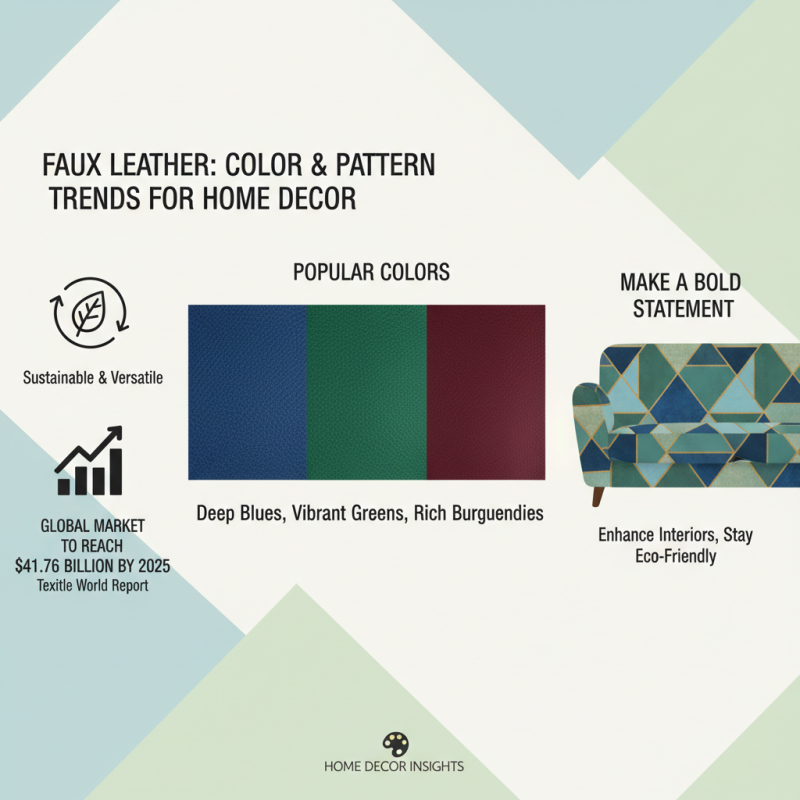
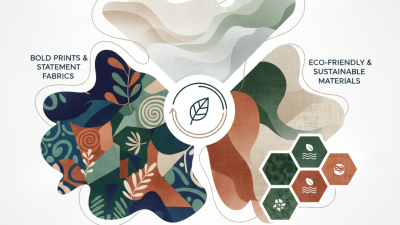
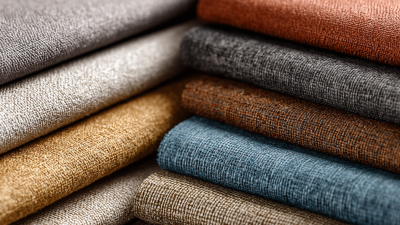
When selecting faux leather upholstery fabric for your home decor projects, color and pattern play crucial roles in defining the overall aesthetic of your space. According to a report by the Textile World, the faux leather market is projected to reach $41.76 billion by 2025, reflecting a growing preference for sustainable and versatile materials in interior design. Colors such as deep blues, vibrant greens, and rich burgundies are becoming increasingly popular, allowing homeowners to make bold statements that enhance their interiors while remaining eco-friendly.
In addition to color selection, patterns can dramatically alter the perception of a room. Studies by the International Journal of Design indicate that textured patterns, like embossed or quilted designs, can add depth and interest to furniture pieces. Geometric prints are also on the rise, offering a modern touch that complements minimalist or contemporary decor styles. By carefully considering both color and pattern, homeowners can not only elevate their decor but also create spaces that reflect their personal style while benefiting from the durability and ease of maintenance that faux leather provides.