How to Choose the Right Velvet Upholstery Fabric for Your Home?
When selecting the perfect velvet upholstery fabric for your home, many factors come into play. According to renowned interior designer Sarah Thompson, “The right velvet can elevate any space.” Velvet upholstery fabric serves as both a functional and aesthetic element in home decor. Its rich texture adds sophistication and comfort to various furniture pieces.
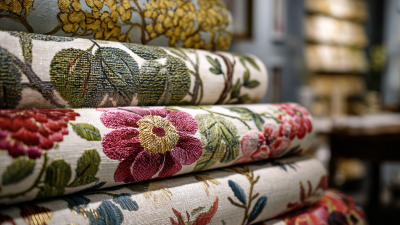
Consider the color and pattern when choosing velvet upholstery fabric. Deep hues can create a dramatic effect, while lighter shades bring a sense of airiness. Additionally, patterns can set the tone of a room. However, be mindful of your current decor to avoid clashes. The weight and durability of the fabric are equally important. Not all velvets are created equal; some may wear out quickly.
It’s also essential to think about the maintenance of velvet upholstery fabric. Some fabrics may require more care than you anticipate. Velvet can be beautiful but may not be practical for households with pets or small children. Reflect on these details and make a choice that truly complements your lifestyle and space.
Understanding Velvet: Types and Characteristics of Velvet Fabrics
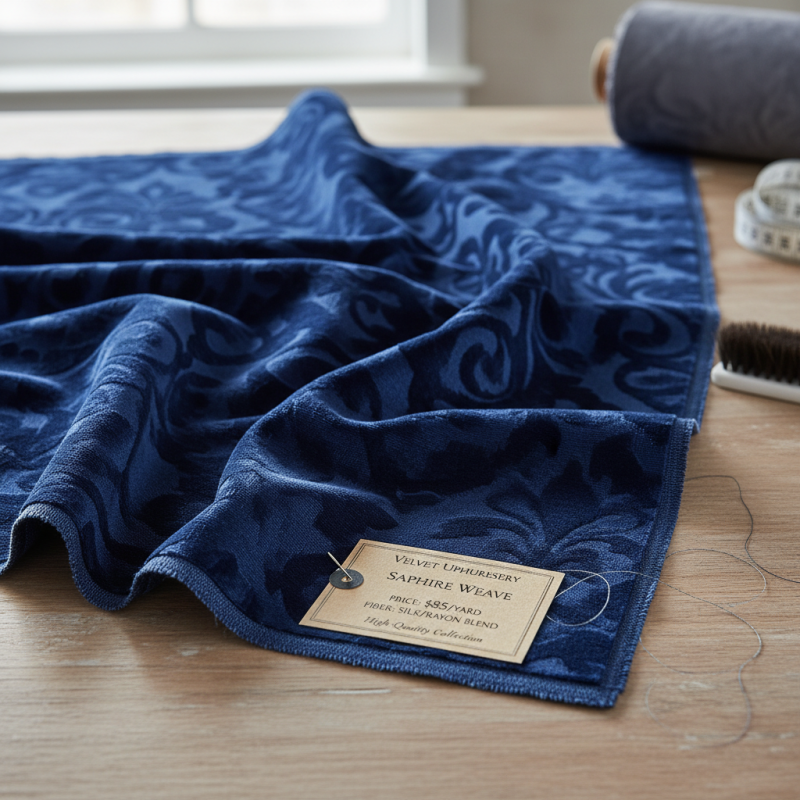
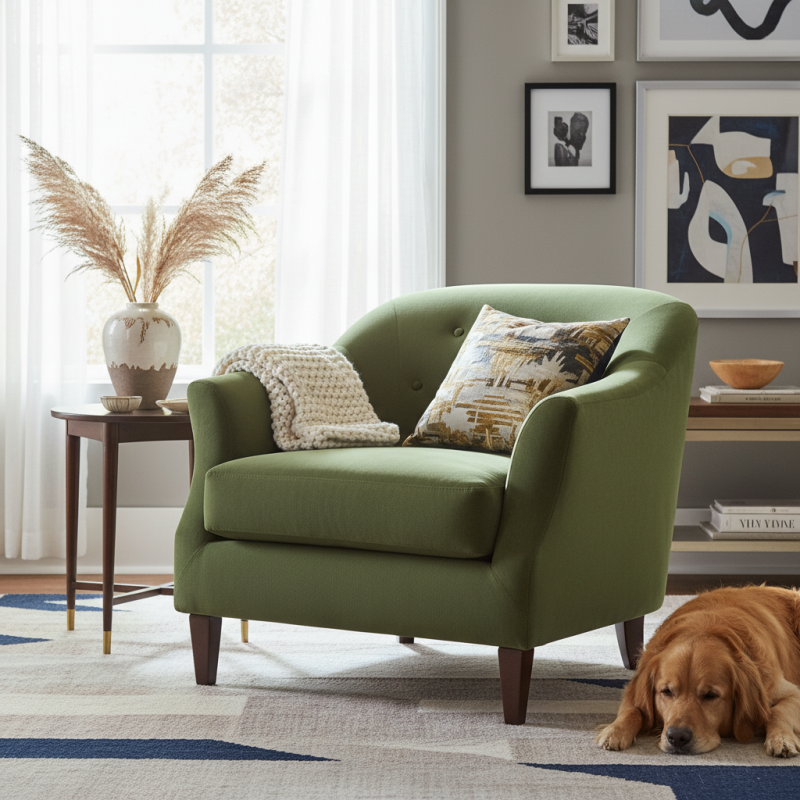
Velvet is a unique and luxurious fabric, loved for its softness. There are several types of velvet to consider for upholstery. One popular option is cotton velvet, known for its durability. It’s a great choice for families with kids. However, it can spot easily. Another type, silk velvet, has an elegant sheen. It feels exceptionally rich but is more delicate. You might want to think about its care before choosing.
Synthetic velvet, made from polyester, is often more affordable. It's stain-resistant and easy to clean. However, it might not have the same depth of color as natural fibers. This can be a drawback for some. Then there’s crushed velvet, which flaunts a textured surface. This adds visual interest, though it may not be as soft. Each type varies in characteristics, so touch and feel are essential when selecting your fabric.
How to Choose the Right Velvet Upholstery Fabric for Your Home? - Understanding Velvet: Types and Characteristics of Velvet Fabrics
| Type of Velvet |
Characteristics |
Best Use Cases |
Durability |
| Crushed Velvet |
Soft and luxurious with a textured look |
Accent chairs and throw pillows |
Moderate |
| Silk Velvet |
Rich texture and sheen, very soft |
Luxury furniture and drapery |
Low |
| Cotton Velvet |
Durable and breathable, matte finish |
Sofas and curtains |
High |
| Polyester Velvet |
Resistant to fading and easy to clean |
Everyday use furniture |
Very high |
| Velvet Blend |
Combination of fibers for a unique feel |
Custom upholstery |
Varies |
Evaluating Durability: What to Look for in Velvet Upholstery
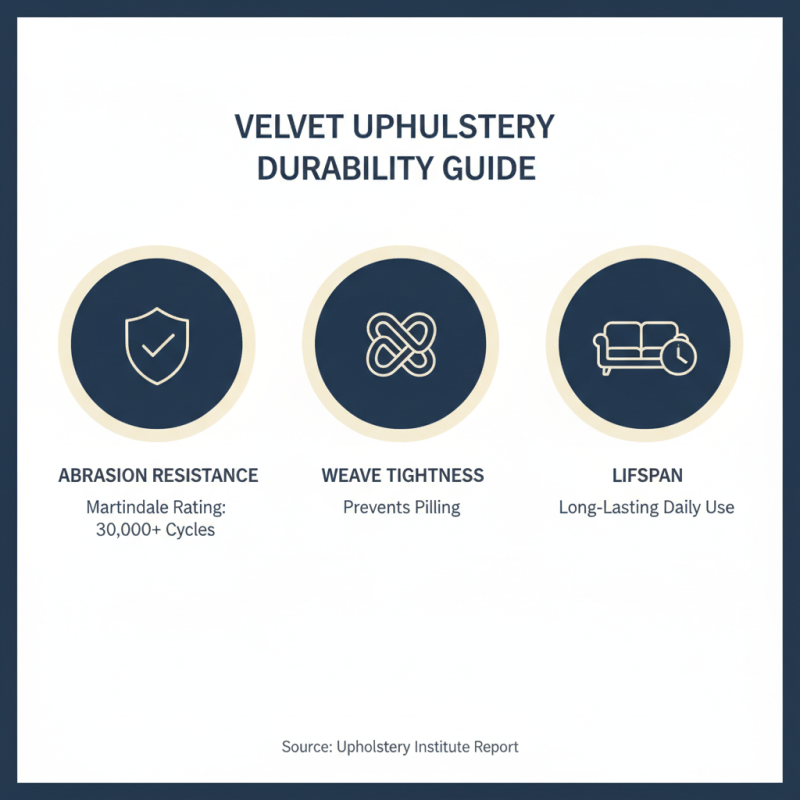
When evaluating the durability of velvet upholstery fabric, several important factors come into play. According to the Fabric Sustainability and Quality Report by the Upholstery Institute, velvet fabrics typically rank high on the abrasion resistance scale. A durable velvet should have a Martindale rating of at least 30,000 cycles. This means that it can withstand daily use without wearing out quickly. Additionally, a tightly woven fabric will help resist pilling and maintain its appearance for longer.
Colorfastness is another critical element. It's essential to choose velvet that maintains its color even after cleaning. Fabrics with a high lightfastness rating can resist fading, especially in sunlit areas. Reports suggest that velvet with a rating of 4 or higher on the 1-8 scale is ideal for areas exposed to light.
Finally, consider the overall feel. A velvet fabric should remain plush while maintaining strength. Not all velvets are created equal, and some lower-quality options may feel great but don't hold up over time. A balanced approach to durability includes both functional wear and aesthetic appeal. Selecting the right velvet is a blend of research and personal taste, and careful consideration is key.
Choosing the Right Color and Texture for Your Home Decor
Choosing the right color and texture for velvet upholstery can transform your home decor. Velvet is luxurious, but its impact depends on color and texture. Think about the mood you want to create. Rich jewel tones can add drama. Softer pastel shades may evoke calmness. Each color tells a different story.
The texture of velvet is vital. Some velvets are smooth, while others are more textured or crushed. A smooth finish can look elegant in a formal setting. Textured velvet feels cozy and inviting. Experimenting with fabric swatches is essential. Bring samples home to see how they look in your space. Lighting can drastically change your perception of color.
Don’t hesitate to mix textures. A velvet couch paired with linen pillows creates visual interest. Remember, it’s okay to make mistakes. Choose colors that resonate with you, even if they seem risky. Your home should reflect your personality. Enjoy the journey of selecting the perfect fabric!
Choosing the Right Velvet Upholstery Fabric for Your Home
This chart illustrates the preferred color choices and texture preferences for velvet upholstery fabric among homeowners. The data reflects a survey of 200 participants regarding their preferences.
Maintenance Tips: Caring for Velvet Upholstery Fabric
Caring for velvet upholstery requires attention to detail. Velvet is known for its luxurious appearance, but it can easily show dirt and wear. According to industry reports, about 70% of velvet fabric damage occurs due to improper maintenance. Regular cleaning is essential. Use a soft brush to remove dust. Monthly vacuuming helps maintain its appearance.
Stains are a common issue, and swift action is crucial. Blot spills immediately with a clean, dry cloth. This action prevents the liquid from settling into the fibers. A mixture of mild detergent and water can work wonders for tougher stains. Test any cleaning solution on a hidden area first. Not all velvet reacts the same way, and you might be left with unexpected marks.
Humidity also plays a role in velvet care. High humidity can lead to mold growth. Aim to keep your home environment at a balance of 30-50% humidity. Additionally, avoid direct sunlight. Velvet colors can fade over time in bright light. Some homeowners might overlook these environmental factors, resulting in premature fabric aging. Regular maintenance may seem tedious, but it is necessary for preserving velvet's beauty and longevity.