How to Choose the Best Vinyl Upholstery Fabric?

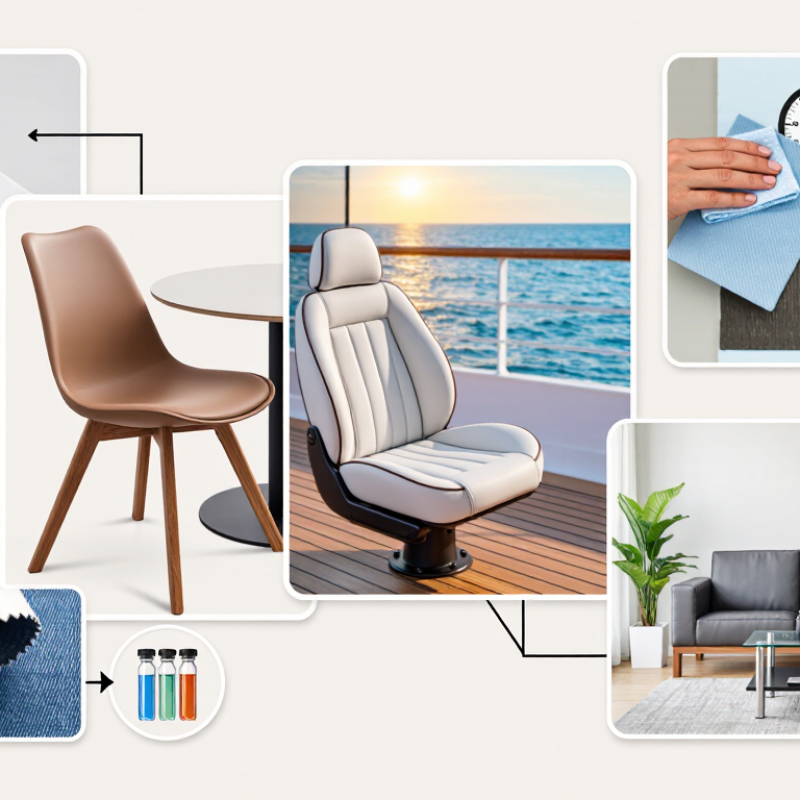
Choosing the best vinyl upholstery fabric starts with the furniture’s real working conditions. A dining chair faces spills, friction, and frequent movement. A boat seat faces sunlight, moisture, and temperature changes. A waiting-room sofa needs a surface that remains presentable after thousands of touches. The right fabric must respond to that specific environment, not merely look attractive in a sample book.

A careful comparison should examine thickness, backing, grain, flexibility, abrasion resistance, and cleaning requirements. Ask for technical data when available. Manufacturer information can clarify performance ratings, recommended uses, and care limits. A swatch test also reveals practical details. Bend it around a corner. Wipe it with a damp cloth. Place it near a window and inspect the color under changing light. Small tests often expose weaknesses that photographs hide. They matter.

Comfort deserves equal attention. Some vinyl surfaces feel cool and smooth, while others offer a softer, leather-like texture. Breathability may affect long seating periods. Color can also change the room’s visual balance. Dark finishes show dust, and pale finishes may reveal denim transfer. No fabric is perfect. I have learned that choosing only by price creates expensive regrets, yet paying more does not guarantee better performance. The most reliable decision balances durability, appearance, maintenance, comfort, and the installer’s guidance. Consider the frame, foam, stitching, and expected use together. A strong material can still fail when poorly fitted or placed in the wrong setting. Good selection requires evidence, honest expectations, and a willingness to reconsider the first choice.

How to Choose the Best Vinyl Upholstery Fabric?

Define Your Upholstery Needs and Intended Use

Before choosing vinyl upholstery fabric, define where it will live and who will use it. A dining bench needs stain resistance and easy wiping. A family sofa needs softness, abrasion resistance, and comfortable temperature control. For a waiting-room chair, inspect the fabric’s commercial abrasion rating. Higher traffic usually demands stronger backing and thicker construction.

Measure the daily risks, not only the furniture size. Children may spill juice, pets may scratch corners, and outdoor seating may face sunlight and sudden rain. Choose UV-resistant vinyl for bright patios. For damp rooms, examine mildew resistance and the backing material. In kitchens, a smooth surface cleans quickly, but deep textures can trap crumbs. Ask the supplier for test data, cleaning instructions, and temperature limits. Do not rely on appearance alone.

I once underestimated how warm dark vinyl could feel beside a sunny window. That mistake changed how I evaluate color and placement. Light shades may show stains sooner, while very dark shades can reveal dust and surface marks. A softer finish may feel better, but it can sacrifice some durability. Check a physical sample under your actual lighting. Sit on it, bend it, and wipe it with the intended cleaner. A small compromise may be sensible when comfort matters more than maximum wear resistance. For public or commercial furniture, confirm applicable fire and safety requirements with a qualified local professional.

Compare Vinyl Types, Grades, and Surface Finishes

How to Choose the Best Vinyl Upholstery Fabric?

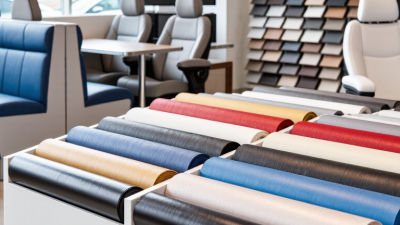
Vinyl upholstery is not one material. Standard PVC vinyl offers strong moisture resistance and easy cleaning. Polyurethane-coated vinyl usually feels softer and resembles genuine leather more closely. However, it may need better hydrolysis resistance in humid rooms. According to Grand View Research’s 2024 Upholstery Market Size Report, the global upholstery market reached approximately USD 48.2 billion in 2023. That scale reflects varied performance needs, not one universal grade.

Compare thickness, backing, abrasion results, and surface finish together. ACT’s Upholstery Fabric Performance Guidelines commonly use 30,000 Wyzenbeek double rubs as a high-traffic benchmark. Still, abrasion numbers can mislead. They do not fully predict cracking, seam stress, sunlight damage, or repeated cleaning. A corrected-grain embossing can hide scratches, while a smooth matte finish may show them quickly. Deep textures also collect dust around stitched edges. Ask for tested resistance to abrasion, UV exposure, staining, and hydrolysis.

Tips: Request a physical sample. Bend it sharply. Check whether the backing separates or whitens. Wipe it with the intended cleaner, then inspect the surface after drying. Review the technical datasheet, but trust real handling too. Laboratory results are useful, yet imperfect. A fabric rated highly in testing may still feel too cold, slippery, or artificial for daily seating. Choose the finish your space can maintain, not merely the highest number.

How to Choose the Best Vinyl Upholstery Fabric?

Compare vinyl types, grades, and surface finishes by looking at abrasion resistance and material thickness. The figures below represent typical specification ranges used for upholstery selection; actual performance varies by construction and test method.

Standard residential vinyl is suitable for light-use furniture. Contract and heavy-contract vinyl generally provide higher abrasion resistance for offices, healthcare, hospitality, and public seating. Marine and automotive vinyl commonly add improved moisture, UV, and chemical resistance. Smooth finishes are easy to clean, embossed finishes can help disguise minor wear, and matte finishes reduce glare. Always confirm the supplier’s tested abrasion, UV, flame, and chemical-resistance ratings before purchasing.

Abrasion values are shown in thousands of double rubs. Testing may be based on methods such as ASTM D4157 or ASTM D3884, so results from different test standards should not be compared as exact equivalents.

Evaluate Durability, Comfort, Maintenance, and Safety

How to Choose the Best Vinyl Upholstery Fabric?

Evaluate Durability, Comfort, Maintenance, and Safety

Durability should match the furniture’s daily workload. For a busy dining chair, choose vinyl with strong abrasion resistance and reinforced backing. Check performance data, not just a thick surface. Flex the sample repeatedly and inspect the edges for cracking. UV resistance also matters near sunny windows. Heat changes everything. I once selected a glossy finish that looked elegant but showed every small scratch. A textured surface would have been more forgiving.

Comfort depends on temperature, touch, and breathability. Sit on a sample for several minutes, especially if the furniture supports long use. Some vinyl feels cold in winter and sticky during humid weather. A fabric-backed construction may feel softer and reduce noise. Still, comfort can change with foam density and upholstery tension. Test the complete cushion when possible. That detail matters.

Maintenance should be practical, not theoretical. Wipe spills quickly with mild soap and water, then dry the surface completely. Avoid harsh solvents unless the supplier specifically approves them. Inspect seams and corners regularly, because dirt often collects there. For safety, review technical documents covering flame performance, color stability, and chemical composition. Requirements vary by location and furniture type. Do not rely on vague terms like “safe” or “premium.” Ask for current test results and care instructions. My judgment can be wrong when based only on appearance. A small sample test remains the most dependable step before ordering.

Match Colors, Textures, and Patterns to Your Interior

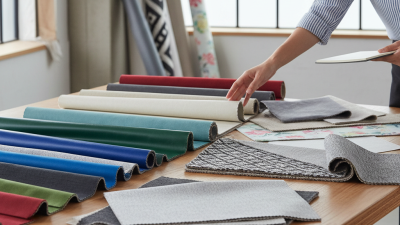
Choosing the best vinyl upholstery fabric starts with your interior, not the fabric rack. Study the room’s wall color, flooring, lighting, and existing furniture. Warm beige walls may clash with a blue-gray vinyl under yellow evening light. Request physical samples and view them beside the sofa, table, and curtains. Screens often distort color.

Texture controls how vinyl feels and looks. A lightly grained surface can soften a modern room without appearing dull. Smooth vinyl suits clean lines, but it may reveal fingerprints and small scratches. For dining chairs, I prefer a subtle grain because it hides daily marks better. Run your hand across the sample. Notice its flexibility, thickness, and surface temperature.

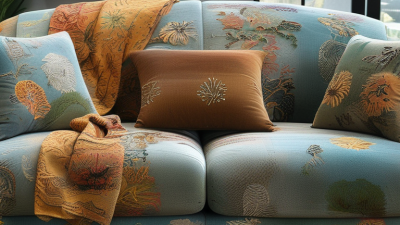
Patterns need careful scale. Small geometric prints can add energy to compact chairs, while large motifs may overwhelm narrow cushions. Align repeated patterns across seat panels when possible. It shows careful workmanship. However, perfect matching can increase material waste and cost. That trade-off matters. I once selected a bold pattern that looked impressive in a showroom but felt restless at home. I would test it in a quiet corner first. Vinyl should support the room, not compete with it.

Check the fabric’s cleaning guidance, abrasion rating, and seam behavior before ordering. A pale textured surface may look elegant, yet it demands more frequent care. Ask for technical specifications from a reliable supplier. Then compare them with your household’s real habits, including pets, children, sunlight, and frequent use.

Check Fabric Specifications, Samples, and Installation Requirements

Choosing vinyl upholstery fabric requires more than liking its color or texture. Check the technical sheet before ordering. Look for abrasion resistance, tear strength, coating thickness, weight, width, and UV performance. For seating, confirm that the fabric suits the expected traffic level. Marine or outdoor use may require stronger resistance to moisture, mildew, and hydrolysis.

Always request a physical sample. Digital colors can mislead. View the sample beside the furniture, under daylight and warm indoor lighting. Bend it around a corner and inspect the backing. A good sample should recover without permanent creasing. Test a small area with the proposed cleaner, but follow the supplier’s care instructions. Some vinyl surfaces look durable yet mark easily after repeated rubbing. That detail is easy to miss.

Installation requirements can change the final result. Confirm the recommended foam density, adhesive type, sewing needle, thread, and staple length. Check whether the material stretches evenly across curves. Measure the roll width and pattern repeat before cutting. Leave enough allowance for seams and tucked edges. Keep the workshop temperature stable, because cold vinyl may feel stiff and resist shaping. I once underestimated a pattern repeat and created unnecessary waste. That mistake was avoidable. A short trial on scrap fabric can reveal puckering, weak seams, or adhesive problems before the main installation begins.

How to Choose the Best Vinyl Upholstery Fabric? - Check Fabric Specifications, Samples, and Installation Requirements

Selection Dimension What to Check in the Specification Sheet Practical Reference or Suitable Target Why It Matters Sample and Installation Check
Intended Application Residential seating, commercial seating, healthcare, hospitality, marine, automotive, or outdoor use classification. Choose a material specifically tested for the expected environment rather than relying only on appearance. Different environments expose the cover to different levels of abrasion, moisture, disinfectants, sunlight, and temperature changes. Use the sample in the same type of seat, panel, or cushion construction planned for the project.
Surface Finish and Construction Polyvinyl chloride (PVC) coating type, backing material, grain or embossing, protective topcoat, and number of layers. A stable textile backing and a uniform protective finish are generally preferred for upholstery applications. The backing affects dimensional stability, sewing performance, tear resistance, and resistance to stretching. Fold, bend, and gently stretch the sample. Look for whitening, cracking, delamination, or an uneven finish.
Thickness Total material thickness, normally stated in millimeters (mm), including the coating and backing. Approximately 0.8–1.5 mm is common for many upholstery uses; the correct value depends on the furniture design. Thicker material may provide greater body and durability, while thinner material can conform more easily to tight curves. Wrap the sample around the smallest intended radius and test whether it gathers, creases, or resists folding.
Basis Weight Mass per unit area, usually shown in grams per square meter (g/m²). Compare products using the same test method; a higher weight alone does not guarantee better performance. Weight can indicate coating or backing content, but it must be considered together with thickness, construction, and test results. Check whether the material feels excessively stiff or heavy for the planned sewing and upholstery method.
Abrasion Resistance Test method, load, endpoint, and reported cycles from a recognized abrasion test such as Martindale or Wyzenbeek. For demanding commercial seating, select a product with a documented high-abrasion rating appropriate to the local specification. Abrasion testing helps estimate resistance to repeated rubbing, but results from different test methods should not be directly equated. Rub the sample against a representative textile or trim and inspect the grain, color, and coating for visible change.
Tear and Tensile Strength Tear strength, tensile strength, seam strength, and the test direction, typically warp and weft. Use the manufacturer’s tested values and confirm that they meet the furniture designer’s or project specification. These properties are important when the cover is pulled tightly over foam, stapled, sewn, or exposed to repeated point loading. Inspect the backing and stitch a small test seam to check for needle damage, seam slippage, or tearing.
Flex Resistance Resistance to repeated folding or flexing, including any stated low-temperature flex performance. Choose a flexible grade for contoured cushions, automotive-style panels, and furniture with frequent movement. Repeated flexing can cause premature cracking, especially at folds, corners, welt cords, and tightly stretched areas. Flex the sample repeatedly by hand and inspect both the face and reverse side under bright light.
Hydrolysis Resistance Hydrolysis test method, temperature, duration, and whether the result applies to the complete coated fabric. For humid interiors, healthcare, transportation, or marine use, select a vinyl with documented hydrolysis resistance. Hydrolysis can cause the coating to become sticky, brittle, or delaminated after prolonged exposure to heat and moisture. Request a current technical data sheet and avoid using an indoor-only material in persistently damp conditions.
Light and UV Stability Lightfastness rating, UV exposure test method, and whether the product is intended for indoor or outdoor use. Outdoor installations require a product specifically labeled and tested for exterior exposure, not merely a dark or coated surface. Sunlight can fade pigments and accelerate cracking or loss of flexibility in the coating. Place a sample near the actual window or exterior location and compare it with a protected portion after exposure.
Fire Performance Applicable fire test standard, pass/fail classification, and whether the result covers the fabric alone or the complete upholstery assembly. Confirm the requirements of the building, transport, healthcare, or hospitality project before ordering. Fire performance depends on the combination of fabric, foam, barrier, filling, and construction—not only on the vinyl face. Obtain the formal test report or certificate and verify that it matches the proposed foam and assembly.
Chemical and Disinfectant Resistance Approved cleaning agents, concentration limits, contact time, rinse requirements, and prohibited chemicals. Healthcare and high-contact areas should use a vinyl with documented resistance to the disinfectants used on site. Alcohols, solvents, bleach solutions, strong detergents, and unapproved cleaners can discolor or damage the coating. Apply the planned cleaner to a hidden sample area, follow the stated contact time, rinse if required, and inspect after drying.
Stain and Soil Release Surface topcoat, stain-resistance claims, and cleaning procedure for oil, food, ink, and body oils. A smooth, sealed surface is usually easier to wipe clean than a deeply embossed or highly textured surface. Texture and surface porosity influence how quickly dirt enters the grain and how easily it can be removed. Test realistic spills on the sample and check for shadowing, color transfer, or permanent gloss changes.
Color and Batch Consistency Color reference, allowable shade variation, dye-lot or production-lot information, and roll inspection procedure. Order all material for one visible installation from the same production lot whenever possible. Small shade differences can become noticeable when adjacent panels or cushions are installed together. Lay all received rolls in the same light and inspect grain direction, gloss, color, and surface defects before cutting.
Width and Roll Length Usable width, total width, roll length, edge condition, and any selvage or pattern-repeat restrictions. Plan cutting layouts using usable width rather than the nominal roll width. Width and repeat details affect waste, seam placement, pattern matching, and the total quantity required. Measure the actual roll and mark defects before cutting. Keep enough allowance for pattern matching and turn-under.
Pattern Direction and Repeat Lengthwise grain, crosswise grain, embossing direction, printed repeat, and approved orientation. Use a consistent direction on all visible components unless the design specifically allows a change. Directional grain or gloss changes may be visible even when the color is identical. Make a full-size paper or digital cutting plan and label every panel before upholstery begins.
Sewing and Seam Performance Recommended needle size, thread type, stitch length, seam allowance, and resistance to needle perforation. Use a suitable upholstery thread and avoid excessively short stitch lengths that can create a perforation line. Improper needle, thread, or stitch settings can weaken seams and leave permanent holes in the coating. Produce a trial seam, then pull and flex it. Check puckering, skipped stitches, coating damage, and seam slippage.
Stretch and Recovery Directional stretch, recovery after tension, and recommended fitting method. Use controlled tension; do not assume that a vinyl surface will recover like a knitted textile. Overstretching may cause shine, distortion, weakened seams, or permanent deformation. Test the material over the actual foam density and shape, especially around corners and compound curves.
Adhesive Compatibility Approved adhesive chemistry, open time, curing time, temperature range, and substrate compatibility. Use only an adhesive confirmed by the upholstery supplier or adhesive manufacturer for PVC and the chosen substrate. Incompatible adhesives may stain, soften, shrink, or chemically attack the coating and backing. Bond a small sample to foam, wood, or metal as applicable, then inspect adhesion, bleed-through, and flexibility.
Foam and Substrate Compatibility Recommended foam type, density, barrier layer, substrate smoothness, and edge-radius requirements. Use clean, dry, smooth substrates and avoid sharp edges that can concentrate stress in the vinyl. Substrate defects and unsuitable foam can telegraph through the surface or accelerate wear and cracking. Build a representative mock-up with the intended foam, batting, adhesive, fasteners, and edge treatment.
Cleaning and Maintenance Routine cleaning frequency, approved water temperature, detergent type, rinsing, drying, and storage instructions. Follow the supplier’s written care instructions and use a soft cloth or brush that will not abrade the finish. Regular removal of body oils, dust, and spills can extend service life and help preserve the protective topcoat. Keep a care label or maintenance sheet with the finished furniture and train cleaning staff when needed.
Sample Approval Approved color, texture, specification revision, lot reference, and signed sample status. Approve a physical production sample before placing the full order. Screen images and small swatches may not show true color, gloss, grain scale, thickness, or hand feel. Record the approved sample code and compare incoming rolls against it before fabrication.
Installation Environment Temperature, humidity, ventilation, storage conditions, and acclimatization requirements. Store rolls flat or as directed, protected from moisture, heat, sunlight, pressure, and contamination. Extreme temperature or poor storage can create flattening, distortion, condensation, or surface damage. Allow the material and foam to reach the workshop environment before cutting and installation.
Quality Inspection Before Cutting Inspection procedure for shade, coating uniformity, pinholes, scratches, wrinkles, contamination, and edge defects. Inspect the entire usable width under consistent lighting and document defects before production. Early inspection prevents defective areas from being placed on highly visible cushions or panels. Mark defects with removable tags, photograph them, and revise the cutting plan before fabrication.

Note: Performance requirements vary by project, jurisdiction, furniture construction, and test method. Always verify the current technical data sheet, care instructions, and applicable fire or safety requirements before purchase and installation.