How to Choose the Right Silk Fabric for Your Next Project?
Choosing the right silk fabric for your next project can be overwhelming. Renowned textile expert Dr. Emily Chen once stated, “Silk fabric should speak to your project’s soul.” This emphasizes the importance of selecting silk that aligns with your vision.
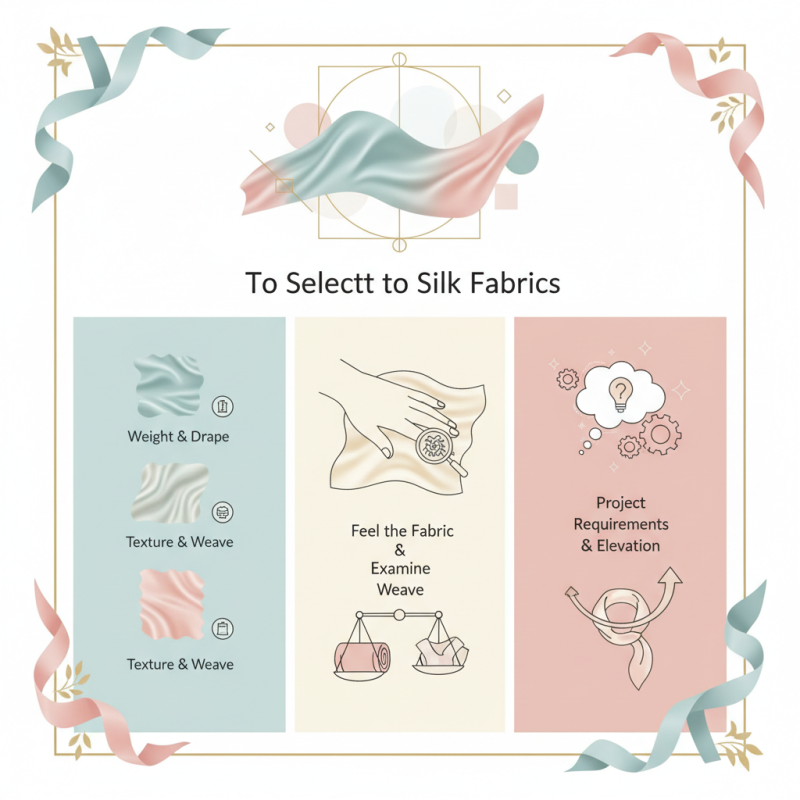
Silk fabric varies widely in type, texture, and weight. Each of these factors influences final results. It can be easy to overlook the significance of drape. A heavy silk may lend itself to structured garments, while lighter silks are perfect for flowing designs. Pay attention to the sheen as well.
Understanding your project's requirements is crucial. Don't rush into a choice based solely on appearance. Feel the fabric, examine the weave, and consider the finish. The right silk fabric can elevate a design. Yet, making the wrong choice can lead to disappointment. Reflection and careful consideration will lead to better results in your silk selection.
Understanding Different Types of Silk Fabrics Available in the Market
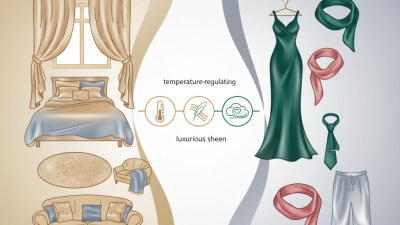
When choosing silk fabric, understanding the types available is crucial. Silk comes in various forms, each suitable for different projects. The market includes charmeuse, chiffon, and taffeta among others. Charmeuse is known for its luxurious sheen and drape, making it a top choice for evening wear. Taffeta, on the other hand, has a crisp texture that adds structure to garments. Unfortunately, some may confuse these fabrics or neglect their properties, leading to less than ideal outcomes.
Recent industry reports indicate that silk fabric sales increased by 15% in the past year. This growth reflects an evolving consumer interest in quality materials. However, with so many options, distinguishing between them can be overwhelming. The lightness of chiffon may be appealing for airy blouses, but it can be challenging to work with. Many beginners struggle with this delicate fabric. Taking time to research and even test samples can make a significant difference in the project’s success.
The variety of silk textures also brings unique challenges. For example, crêpe de Chine offers softness but can be prone to wrinkling. Many crafters overlook this aspect and end up frustrated with a not-so-polished finish. Understanding the physical characteristics and care requirements of each type of silk is vital. Without this knowledge, you may inadvertently compromise the quality of your craftsmanship.
How to Choose the Right Silk Fabric for Your Next Project?
| Silk Type |
Characteristics |
Best Uses |
Care Instructions |
| Mulberry Silk |
Soft, smooth, and shiny with a luxurious feel. |
High-end clothing, bedding, and accessories. |
Dry clean or hand wash in cold water. |
| Habotai Silk |
Lightweight and sheer, less expensive than other silks. |
Lining, summer garments, and scarves. |
Gentle hand wash or dry clean. |
| Charmeuse Silk |
Satin-like finish, luxurious drape, and soft touch. |
Evening wear, lingerie, and dresses. |
Dry clean recommended. |
| Duchess Silk |
Heavyweight with a lustrous finish; structured fabric. |
Formal wear, wedding dresses, and upholstery. |
Dry clean only. |
| Taffeta Silk |
Crisp and smooth with a slight sheen. |
Ball gowns, evening wear, and structured designs. |
Dry clean recommended. |
Factors to Consider When Choosing Silk for Your Project
Choosing the right silk fabric for your project involves several critical factors. Start by considering the weight of the silk.
Lightweight silks, like chiffon, drape beautifully. They are perfect for flowing garments.
Heavier silks, such as satin or charmeuse, provide structure. They work well for evening wear or tailored pieces.
Next, think about the texture. Some silks have a smooth surface, while others may be slightly textured.
This can affect the overall look and feel of your project. Also, pay attention to the sheen. A shiny finish can elevate a simple design.
However, it might not suit every occasion. Color is equally vital. Vibrant hues can make a statement, but they might not pair well with certain styles.
Finally, don't forget about the care required for different silks. Some fabrics require dry cleaning, while others can be hand washed.
Consider your lifestyle and the garment's purpose. It’s worth contemplating whether you are willing to put in extra effort for maintenance.
In the process, keep in mind that not every choice will work out perfectly. Embrace the learning experience
that comes with your fabric selection journey.
Evaluating the Quality of Silk: What to Look For
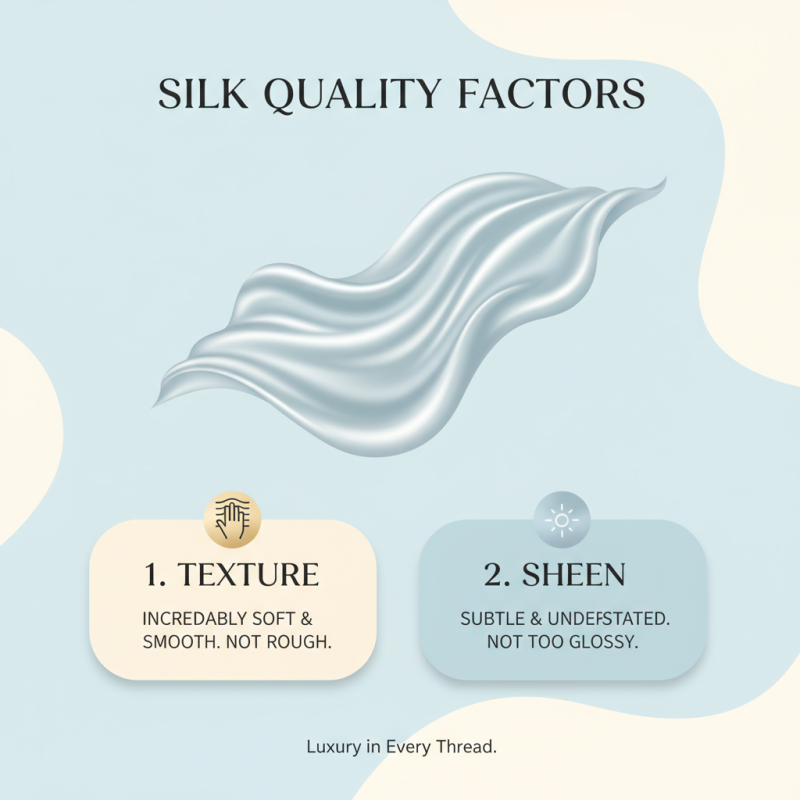
When evaluating silk quality, there are key factors to consider. The texture is the first thing to notice. High-quality silk feels incredibly soft and smooth against your skin. It shouldn’t be rough or too lustrous. A silk that shines too much might have unnatural coatings. Natural silk has a subtle sheen that feels luxurious yet understated.
Next, examine the weight of the fabric. Good silk has a nice drape and substantial feel. Lightweight silk may be ideal for garments, but if it feels too flimsy, it could lead to disappointment in durability. Additionally, check for imperfections in the weave. Small flaws may indicate poor craftsmanship, leading to issues down the line. Each inch of silk should tell a story of care and quality.
Lastly, consider the color and print. Rich colors often indicate better dyeing processes. However, artificial dyes can fade quickly. Patterns should be sharp and clear. Sometimes, the allure of a beautiful print can overshadow the underlying quality. Always be mindful of what entices you. Quality silk may require patience to find, but the results pay off in your projects.
Assessing the Weight and Drape of Silk Fabrics for Your Needs
When choosing silk fabrics for your project, weight and drape are crucial factors. The weight of silk can greatly impact its use. Lightweight silks are fluid and airy, perfect for soft blouses or delicate scarves. According to industry reports, silk weights range from 3.5 to 10 ounces per yard. This variance influences not just feel but also final garment appearance.
The drape of silk describes how the fabric hangs. Lighter silks, like chiffon, flow gracefully. Heavier options, such as silk satin, provide structure. Understanding drape helps in selecting the right fabric for your design. For instance, a dress that requires movement would benefit from a lighter weight. In contrast, a structured jacket might need a heavier silk to maintain shape.
It is essential to consider how different weights can pair together. Mixing weights is not always straightforward. A light silk overlay could clash with a heavy silk lining. Experimenting with combinations can yield beautiful results, but it can also lead to unexpected challenges. Silk is often prized for its luxurious feel. However, its versatility demands careful thought during selection.
Matching Silk Types to Specific Project Requirements and Styles
Choosing the right silk fabric can transform your project. Different types of silk each have unique qualities. For example, charmeuse is soft and drapes beautifully. It’s perfect for evening wear or elegant blouses. Silk satin reflects light, adding a luxurious touch to any garment.
On the other hand, silk twill offers durability. It’s more structured and works well for tailored pieces. According to industry reports, the global silk market is projected to reach $18 billion by 2025. This reflects increasing interest in high-quality materials among designers.
However, selecting the appropriate silk isn’t always straightforward. Some silks can be slippery and challenging to sew. Others may fade or lose shape over time. It’s crucial to test the fabric before committing. Small samples can help gauge texture and behavior. Always consider project needs against fabric characteristics for the best outcome.
Silk Fabric Types and Their Characteristics