How to Choose the Right Upholstery Fabric for Your Furniture?
Choosing the right upholstery fabric for your furniture can be a daunting task. With countless options available, selecting the perfect material is crucial. Industry expert Jane Smith once said, “The right upholstery fabric can transform your space and tell a story.” This highlights the importance of making the right choice.
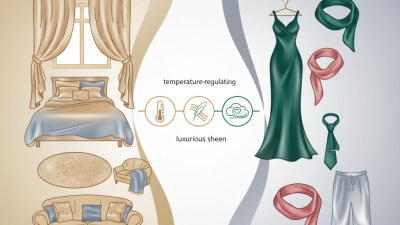
Consider the purpose of the furniture. Is it for a busy family living room or a serene bedroom? Different environments call for specific upholstery fabrics. For example, durable materials like microfiber might work well in a lively home, while silk adds elegance to a more formal setting. Each type of upholstery fabric has its characteristics and limitations.
Reflect on the maintenance and longevity of your choice. Some fabrics require more care than others. It's essential to think about how much effort you're willing to invest in keeping your upholstery looking fresh. Not every fabric will withstand wear and tear, and the wrong choice might lead to regret later on. Balancing aesthetics and functionality is key to ensuring your furniture remains beautiful and practical.
Factors to Consider When Choosing Upholstery Fabric for Furniture
Choosing the right upholstery fabric for your furniture can be tricky. There are several factors to consider. First, think about the
durability of the fabric. Will it withstand daily use? A high-traffic area needs something robust. Look for fabrics like
canvas or denim. They hold up well over time. Soft fabrics like
velvet may be appealing but can wear out quickly in busy households.
Next, consider the color and pattern. They can change the room's vibe. A
bright color adds energy, while neutral tones bring calmness. Patterns can hide stains better than solid colors. However, they can quickly become
dated. Pay attention to trends, but choose what you love.
Lastly, don't forget to think about comfort. The texture of the fabric matters. How does it feel against your skin? Some fabrics can irritate sensitive skin.
Test samples at home if possible. Reflect on how the fabric will be used. For lounging, softer options may be best. These details matter when making your choice.
Understanding Different Types of Upholstery Fabrics and Their Uses
Choosing upholstery fabric involves understanding various options. Each type of fabric has unique characteristics and potential uses.
For instance, cotton is soft and breathable. It is ideal for casual furniture in a family room. However, it can stain easily.
Cleaning can be a challenge.
Leather is another popular choice, known for its durability. It adds a touch of elegance to any space.
Yet, it can be quite expensive. Not all leather holds up well over time. You may find some options scratch easily, requiring careful handling.
Then there's synthetic fabric. Materials like polyester offer a wide variety of colors and patterns.
They are often resistant to stains and fading. However, not every synthetic option feels comfortable. It can sometimes feel less luxurious than natural fibers.
Ultimately, the choice depends on your lifestyle and aesthetic preferences.
Durability Ratings: Weaving Techniques and Fiber Composition Explained
When selecting upholstery fabric, understanding durability ratings is essential. These ratings reflect how well a fabric can withstand wear and tear. One key factor is the weaving technique. For instance, tightly woven fabrics tend to be more durable. They resist fraying and fading over time. On the other hand, looser weaves might feel softer, but they can wear down quickly.
Fiber composition also plays a crucial role. Natural fibers like cotton and linen offer breathability. However, they may not be as durable as synthetic options. Materials such as polyester or nylon provide strength and resistance to stains. Combining fibers can balance comfort and durability. Sometimes, a choice might not be straightforward, and it’s important to test samples before deciding.
Color and pattern may distract from durability concerns. A bright, fun design might snag easily. Choosing the right fabric can be a challenge. Consider your lifestyle. Do you have kids or pets? Reflect on how frequently the furniture will be used. The best upholstery is not just about looks; it must meet practical needs. Taking the time to weigh these factors will lead to a more satisfying choice.
Colorfastness and Maintenance: How to Ensure Longevity of Upholstery
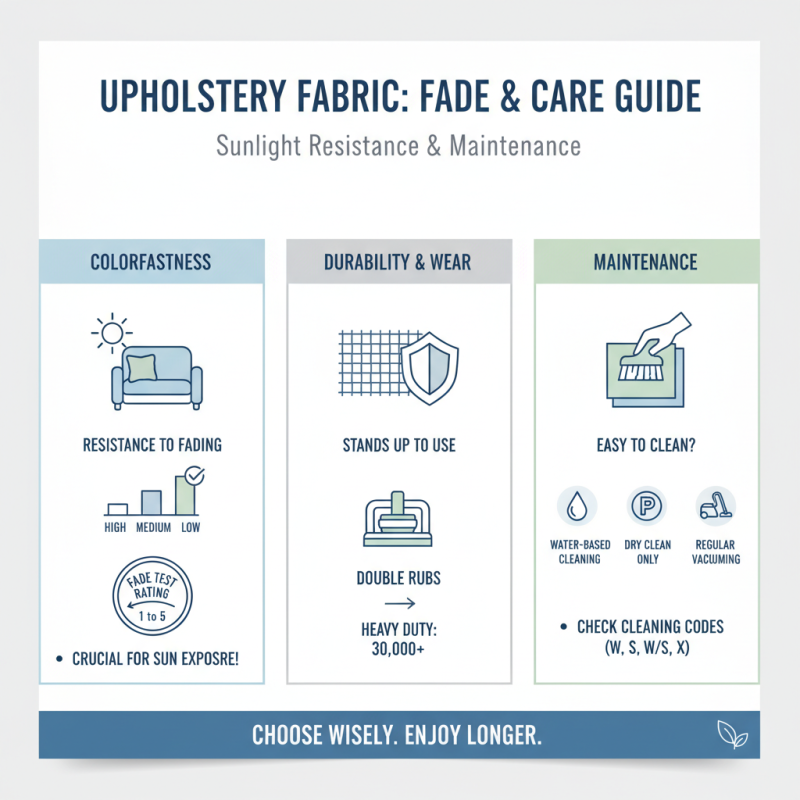
Choosing the right upholstery fabric involves understanding colorfastness and maintenance. Colorfastness indicates how well a fabric resists fading. This is crucial if your furniture is exposed to sunlight. Fabrics that fade quickly lose their appeal. Check the Fade Test rating before settling on a fabric. Not every fabric is created equal; some hold colors better than others.
Maintenance plays a significant role in the longevity of upholstery. Regular cleaning helps prevent dirt buildup. Depending on the fabric, some may require specific cleaning products. Test any cleaner on a hidden area first. This way, you ensure it won’t cause discoloration.
Tips for maintaining your upholstery include: vacuum regularly to remove dust. Use a soft brush attachment for delicate fabrics. Avoid placing furniture in direct sunlight; it can lead to color fading. For spills, act quickly. Blot, don’t rub, and use a clean cloth. The right care can extend the life of your furniture significantly, even if you might overlook minor stains at first.
Impact of Environment and Usage on Fabric Selection for Furniture
Choosing upholstery fabric for furniture is crucial. The environment where the furniture will be placed greatly influences this choice. For instance, high-traffic areas like living rooms need durable fabrics. A softer fabric might look nice but won’t stand up to daily use. Families with kids or pets should consider stain-resistant options. A vibrant color may brighten up a room, yet it might fade quickly in direct sunlight.
Also, the climate affects fabric selection. In humid areas, breathable fabrics help prevent mold. Conversely, cooler climates might benefit from thicker, warmer materials. Think about how often the furniture will be used. Occasional pieces can use delicate fabrics. However, everyday items need something tough. This requires deeper consideration. What works for one situation might not suit another. Testing several samples may provide insight, yet it can also lead to decision fatigue. Balancing style and practicality is complex.
How to Choose the Right Upholstery Fabric for Your Furniture?
| Fabric Type |
Durability |
Environmental Impact |
Best Usage |
Comfort Level |
| Cotton |
Moderate |
Biodegradable and renewable |
Living rooms, casual settings |
Soft and breathable |
| Leather |
High |
Sustainable if sourced ethically |
Formal settings, durability needed |
Luxurious and sturdy |
| Polyester |
High |
Can be recycled |
High-traffic areas, family homes |
Resistant to wrinkles and fading |
| Linen |
Moderate |
Biodegradable |
Summer use, casual settings |
Cool and crisp |
| Velvet |
Moderate to High |
Depends on the production method |
Formal, elegant settings |
Soft and plush |