Why Are Kids Games Essential for Child Development?
Kids Games play a vital role in fostering child development. According to Dr. Emily Hart, a renowned child psychologist, “Play is the greatest form of research for children.” This highlights the importance of interactive play in their growth. Games are not just for fun; they serve as essential tools for learning and emotional development.
Through kids games, children gain critical skills such as problem-solving and teamwork. A simple game of tag can teach children about boundaries, rules, and social interactions. These lessons are foundational as they navigate their world. However, not every child engages fully in games. Some may feel anxious or unsure, creating a gap in their social skills. It's important to foster a supportive environment.
Understanding the significance of kids games can help parents and educators design better play experiences. It is a journey of exploration, full of challenges and triumphs. Each game offers unique benefits, but not every child will thrive in a competitive setting. Recognizing individual needs is key to promoting balanced development through play.
The Role of Play in Cognitive Development for Children
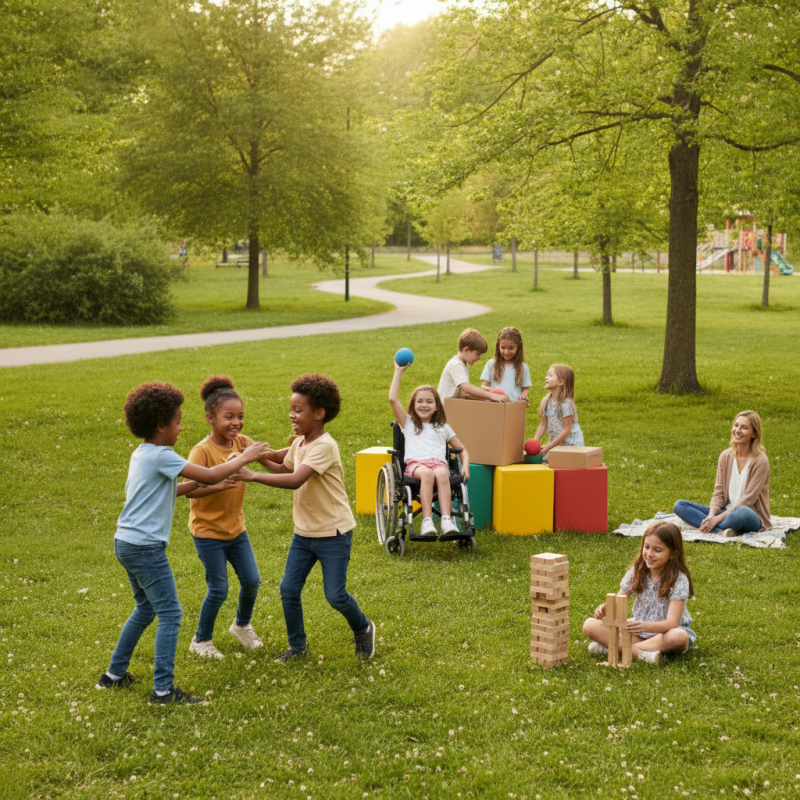
Play is a crucial component in cognitive development for children. When kids engage in games, they stimulate their imagination and creativity. These activities foster problem-solving skills. Meanwhile, social interactions during play help develop communication abilities. Children learn to negotiate, share, and resolve conflicts, which are vital life skills.
Tips: Consider scheduling regular playtime. Outdoor games foster physical health and cognitive skills. Encourage creative play with art supplies or building blocks. These tools can ignite a child’s imagination, leading to meaningful learning experiences.
The impact of play extends beyond immediate enjoyment. It shapes how children view the world. Messy play can lead to frustration, which is essential for resilience. Games with loose rules challenge a child’s ability to adapt. In such instances, failure becomes a teacher, offering lessons that structured learning might not provide.
Social Skills Development Through Cooperative Kids Games
Cooperative kids games play a crucial role in developing social skills among children. When kids engage in friendly competition or teamwork, they learn vital interpersonal skills. According to research by the American Academy of Pediatrics, children participating in cooperative games show a 30% increase in empathy and communication abilities. These skills are essential for future interactions in school and later in life.
During games, children negotiate, share, and resolve disputes. For instance, a group of kids working together to complete a puzzle must communicate effectively. This not only enhances their problem-solving skills but also fosters a sense of belonging. However, not all experiences are positive. Children may face conflicts or frustration. These moments offer vital lessons in resilience and patience. Recognizing their own emotions and the feelings of others helps in emotional development.
Additionally, cooperative games encourage inclusion. According to a study published in the Journal of Child Psychology, children who regularly engage in group play exhibit 25% better social behavior than those who do not. Still, it’s important to monitor group dynamics. Some kids may struggle to fit in. Adults can guide them through these challenges, helping to create a supportive environment. Games should be age-appropriate to balance fun and learning effectively.
Emotional Benefits of Engaging in Play Activities for Kids
Play activities are vital for emotional development in children. Engaging in games allows kids to express their feelings. They learn to handle emotions like joy, fear, and frustration. For instance, during cooperative play, children work together. They practice sharing and understanding others' feelings. This interaction builds their social skills.
Moreover, play can be a safe space for kids to explore their identities. A child may take on different roles, like a hero or a parent. This role-playing enhances their sense of self. They experiment with decisions and face consequences in a controlled environment. Yet, not every game promotes positive emotions. Competitive games can lead to frustration. Children may struggle with losing. Learning to cope with defeat is equally important.
Overall, the emotional benefits of play are immense. Games foster resilience and empathy. Even when play doesn't go as planned, it teaches valuable lessons. Children learn to resolve conflicts and develop patience. Each game becomes a step toward emotional maturity.
Physical Health and Activity Levels Promoted by Children's Games
Children's games play a critical role in promoting physical health and activity levels. Through play, kids engage in various forms of movement. Running, jumping, and climbing are not just fun; they build strength and endurance. Regular physical activity gained from games helps in reducing obesity rates among children. Kids learn to enjoy exercise in a natural way, which can set the stage for a healthier lifestyle in adulthood.
Moreover, these games enhance motor skills and coordination. Activities like throwing a ball or hopping on one foot refine hand-eye coordination and balance. Many children enjoy playing tag or riding bikes with friends. These playful interactions encourage social skills too. However, not all children get equal access to such outdoor games. Some may prefer screen time over physical play, which can lead to missed opportunities for exercise and socializing.
Encouraging play is essential. It helps children stay active and fosters a love for movement. Striking the balance between structured activities and free play can be challenging. Parents and educators need to provide guidance, but allow freedom too. Finding the right mix might take some trial and error, but the benefits are clear.
How Games Foster Creativity and Imagination in Young Minds
Games play a crucial role in developing creativity and imagination in children. When kids engage in play, they step into a world of possibilities. They create characters, invent stories, and explore different scenarios. This freedom of expression nurtures their cognitive skills. Imaginative play allows children to think outside the box. They learn to approach problems differently, which builds their critical thinking abilities.
Furthermore, games often require children to make choices and take risks. This trial-and-error process fosters innovation. Children learn by experimenting, sometimes failing, and then trying again. These experiences teach resilience. For example, a child might redesign a game rule after it doesn’t work as intended. This process encourages them to reflect and adapt.
Engaging in games also enhances social skills. When children play together, they negotiate, collaborate, and often compromise. These interactions can lead to conflicts, which are essential for developing emotional intelligence. Children navigate their feelings, learning empathy and communication in the process. It’s a messy yet vital part of growth. Through play, they discover who they are and how to connect with others.