What is Faux Fox Fur and How Is It Used?
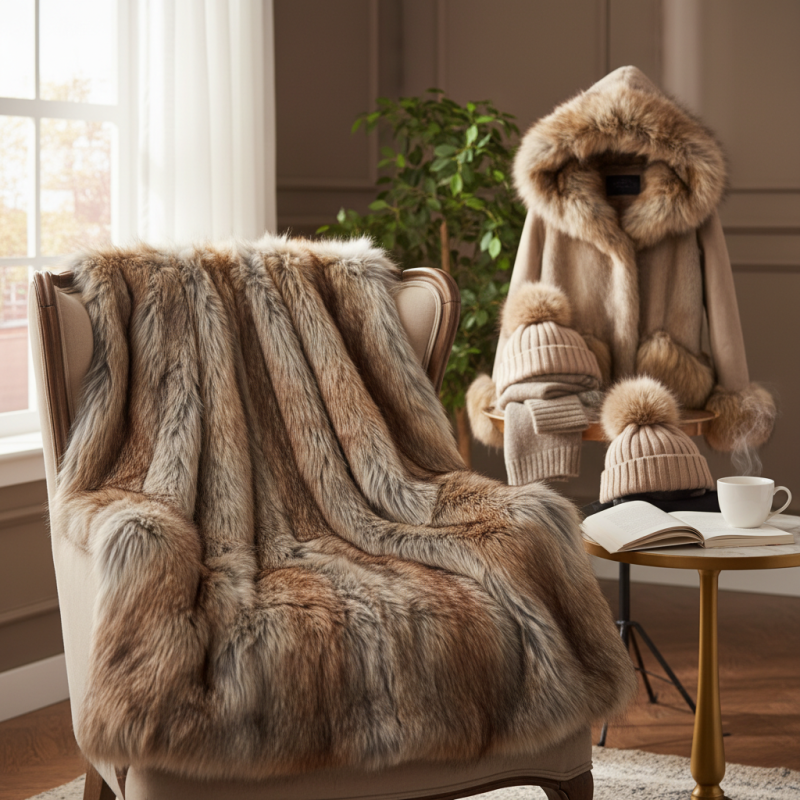
Faux fox fur is a luxurious and versatile material. It imitates the look and texture of real fox fur without harming animals. This synthetic alternative has gained popularity in fashion and home decor. Many appreciate its softness and warmth.
Faux fox fur can be found in various products, from stylish jackets to cozy blankets. It is often used in accessories like hats and scarves. The vibrant colors and patterns make it appealing to many consumers. However, it is essential to consider the environmental impact of synthetic materials.
While faux fur is cruelty-free, some question its sustainability. Producing synthetic fibers can contribute to pollution. This raises concerns among eco-conscious shoppers. Understanding these complexities can lead to more informed choices when selecting faux fox fur products. A balance between fashion, ethics, and environmental responsibility is necessary.
What Is Faux Fox Fur?
Faux fox fur is a synthetic material designed to mimic the look and feel of real fox fur. It’s soft, plush, and visually appealing. Many people choose faux fur for its ethical stance. It provides a cruelty-free alternative to animal fur without compromising on style. Faux fox fur is widely used in fashion, home decor, and accessories.
When shopping for faux fox fur, consider the texture and density. The best faux furs closely resemble the real thing. Look for pieces that feel luxurious and soft to the touch. Checking the stitching and backing can also indicate quality. The environmental impact is another crucial factor. Some faux furs use synthetic fibers, which can harm the planet. Researching sustainable options is always wise.
Tips: To maintain faux fox fur, clean it gently. Use a soft brush to remove dust. Avoid harsh chemicals that can damage the fibers. Store the item in a cool, dry place to prevent matting. Always test a small area if you decide to apply any cleaning product. A little care goes a long way in preserving its beauty.
The Materials Used in Faux Fox Fur Production
Faux fox fur has gained popularity due to its ethical appeal and soft texture. This alternative to real fur is made primarily from synthetic fibers like acrylic and polyester. A report from the Textile Exchange indicates that over 50% of fur materials in fashion are now synthetic. This shift reflects changing consumer preferences towards sustainable options.
The production of faux fox fur involves various manufacturing processes. One common method is fiber extrusion, where melted plastic is spun into fibers. These are then dyed and woven or knitted into fur-like materials. Research shows that the popularity of faux fur has led to a 20% increase in demand for synthetic fibers in the past five years. However, this process often requires significant energy and resources, raising environmental concerns.
While faux fox fur mimics the luxurious feel and look of real fur, it still presents challenges. There are issues related to microplastic pollution from washing synthetic fabrics. Additionally, the durability of faux fur can be less than desirable compared to real fur. Many consumers still seek out high-quality options that withstand wear and tear. The quest for better, more eco-friendly production methods continues as the industry evolves.
Common Applications of Faux Fox Fur in Fashion
Faux fox fur is gaining traction in the fashion world. Its popularity stems from both ethical and aesthetic considerations. Many consumers prefer synthetic alternatives to real fur due to animal welfare concerns. According to industry reports, the faux fur market is projected to reach $2 billion by 2025, driven by increasing demand.
Fashion designers incorporate faux fox fur into various products. Coats, jackets, and accessories feature prominently. The texture mimics real fur, offering warmth and style without ethical dilemmas. A recent survey indicated that 70% of consumers are willing to choose faux materials over real fur. This shift reflects changing attitudes towards sustainability in fashion.
Despite its advantages, challenges remain. Some faux furs use materials harmful to the environment. There is a growing call for eco-friendly alternatives. Brands need to consider biodegradable options to minimize their impact. As awareness increases, the fashion industry must adapt. Faux fur holds potential, yet it requires thoughtful innovation to ensure a sustainable future.
Benefits of Choosing Faux Fox Fur Over Real Fur
Faux fox fur has gained popularity for various reasons. One significant benefit is its ethical nature. Unlike real fur, faux fur does not involve animal cruelty. This aspect appeals to many consumers today. People desire warmth and style without harming animals. Faux fur allows for fashionable choices without guilt.
Another advantage is the versatility of faux fox fur. It can mimic the luxurious look of real fur while being more affordable. This allows individuals to experiment with styles and designs. Faux fur comes in numerous colors and textures. You can easily find something unique that matches your aesthetic. It's available in jackets, hats, and even home decor items.
Durability is another consideration. Faux fur typically withstands wear and tear better than real fur. However, it may require special care to maintain its appearance. Some find it challenging to clean properly. This can lead to fading or matting over time. Reflecting on these details helps consumers make informed choices. Choosing faux can be a responsible and stylish decision.
What is Faux Fox Fur and How Is It Used? - Benefits of Choosing Faux Fox Fur Over Real Fur
| Dimension | Faux Fox Fur | Real Fox Fur |
| Source | Synthetic fibers (e.g., acrylic, polyester) | Animal fur from foxes |
| Cost | Generally lower | Higher due to sourcing and processing |
| Ethics | Cruelty-free | Involves animal suffering |
| Durability | Varies based on quality | Generally more durable |
| Maintenance | Easier to clean and care for | Requires special care |
| Environmental Impact | Lower if produced sustainably | Higher due to fur farming |
| Common Uses | Coats, jackets, accessories | High-end apparel, accessories |
Care and Maintenance Tips for Faux Fox Fur Items
Faux fox fur is a synthetic material designed to mimic the softness and appearance of real fur. It is popular for clothing, accessories, and home decor. Proper care and maintenance of faux fox fur items can enhance their lifespan and appearance. According to industry reports, the global demand for faux fur products increased by 15% last year. This reflects a growing trend toward sustainable fashion.
Regular brushing is essential. Use a wide-tooth comb or a soft brush. This prevents matting and keeps the fibers fluffy. Spot clean stains promptly with a damp cloth. Avoid excessive washing. Washing can lead to shedding and loss of texture. When storing, keep items in a cool, dry place. Ensure they are not compressed, as this can permanently alter their shape.
Avoid long exposure to direct sunlight. UV rays can fade colors over time. If faux fur gets wet, let it air dry. Do not use heat sources. Heat can damage the fibers. If you notice shedding, it is not uncommon. All faux fur products may shed slightly, especially when new. Regularly cleaning helps mitigate this issue. Remember, attention to detail in care pays off.
Popularity of Faux Fox Fur Items by Category