2025 How to Choose the Best Leather Fabric for Your Projects and Needs
When embarking on a project that requires the use of leather fabric, it is crucial to understand the various types and qualities available in the market. Leather fabric is not just a material; it embodies tradition, elegance, and durability, making it a preferred choice for a wide range of applications, from fashion items to upholstery. However, with the multitude of options presented, selecting the right leather fabric can seem daunting.
In this guide, we will explore essential factors to consider when choosing leather fabric, ensuring that your final selection aligns perfectly with your project requirements and personal tastes. From understanding the different types of leather to evaluating their texture and durability, knowing what to look for can significantly influence the success of your creations. Whether you are crafting a bespoke handbag or selecting material for home furnishings, the right leather fabric can elevate the overall quality and appearance of your work, providing a timeless touch that withstands the test of time.
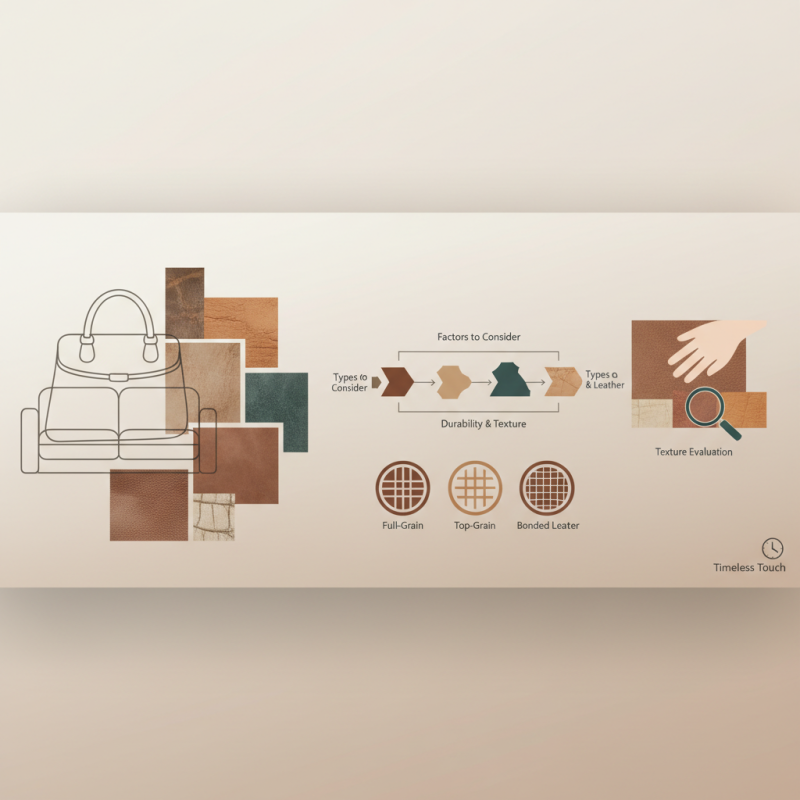
Understanding Different Types of Leather Fabric Available
When embarking on a leather project, understanding the various types of leather fabric available is crucial for achieving the desired results. Leather can be broadly categorized into two major types: genuine leather and synthetic leather. Genuine leather is derived from animal hides and is known for its durability, unique texture, and breathability. Within genuine leather, there are various finishes and grades, such as full-grain, top-grain, and split leather, each offering different qualities suitable for various applications. Full-grain leather, for instance, retains the natural grain and imperfections of the hide, making it ideal for high-quality items like luxury bags and furniture.
On the other hand, synthetic leather, often referred to as faux leather, offers an animal-friendly alternative that is typically more affordable and easier to maintain. Made from materials like polyurethane or polyvinyl chloride, synthetic leather comes in a wide range of colors and textures, mimicking the look of genuine leather. It is often used in mass-produced items, such as clothing and upholstery, where cost-efficiency is a priority. However, it may not offer the same longevity or patina as natural leather. By understanding these distinctions and the specific requirements of your project, you can select the ideal leather fabric that meets both aesthetic and functional needs.
2025 How to Choose the Best Leather Fabric for Your Projects and Needs - Understanding Different Types of Leather Fabric Available
| Type of Leather |
Characteristics |
Best Uses |
Maintenance Level |
| Full-Grain Leather |
Durable, breathable, develops patina |
High-end bags, wallets, furniture |
Moderate |
| Top-Grain Leather |
Slightly sanded, more supple than full-grain |
Clothing, high-quality furniture |
Easy |
| Genuine Leather |
Made from leftover pieces, less durable |
Affordable wallets, belts |
Low |
| Suede |
Soft and flexible, with a napped finish |
Shoes, jackets, accessories |
High |
| Nubuck |
Buffed top grain leather, velvety texture |
Footwear, high-quality bags |
Moderate |
Evaluating Leather Quality: Key Characteristics to Consider
When evaluating leather quality for your projects, several key characteristics should be considered to ensure you select the best material for your needs. Firstly, the type of leather plays a crucial role in its quality. Full-grain leather, for instance, retains the natural grain and strength, making it durable and aesthetically appealing. On the other hand, corrected-grain leather undergoes processing that may compromise its natural characteristics, thus impacting its longevity. Understanding the specific type that suits your intended use can significantly influence the overall performance of your final product.
Another vital aspect to assess is the thickness and texture of the leather. Thicker leather usually indicates higher durability and is better suited for items that undergo frequent use, such as bags or shoes. Moreover, the texture should align with your design aspirations—smooth leather imparts a sleek look, while suede or embossed finishes can add a unique touch. Additionally, examining the leather's suppleness and flexibility will give insights into its potential applications; softer leathers are often favored for clothing and accessories, whereas stiffer varieties may be more appropriate for structured items. By focusing on these characteristics, you can ensure that the leather you choose not only meets your aesthetic goals but also serves its practical purpose effectively.
Matching Leather to Your Project: Functionality and Aesthetics
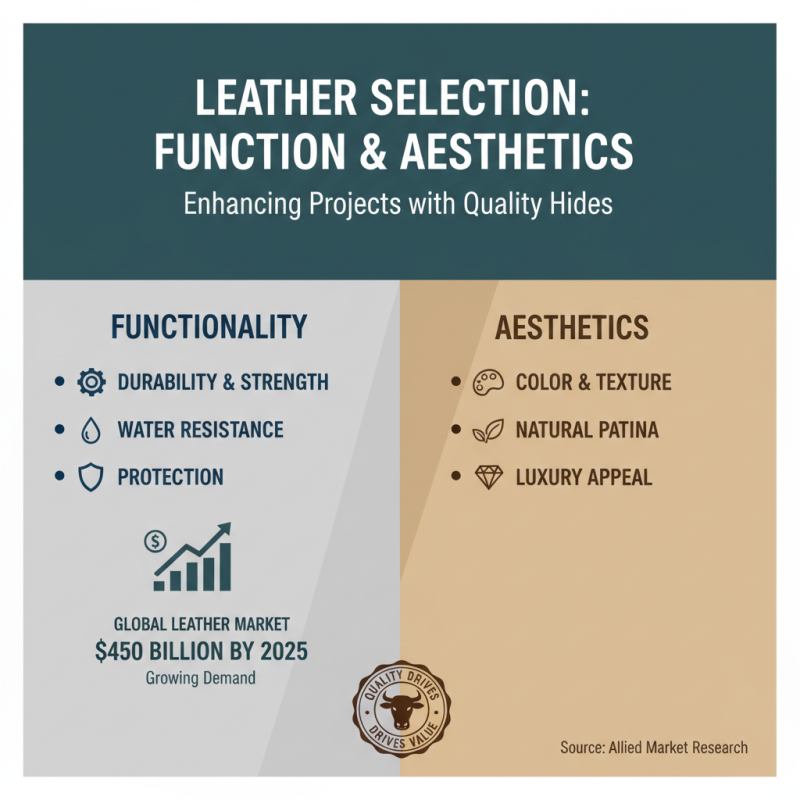
When selecting leather for your projects, it's essential to consider both functionality and aesthetics to ensure that the material enhances your work. According to a recent industry report by Allied Market Research, the global leather market is projected to reach $450 billion by 2025, highlighting the growing demand for high-quality leather across various applications—from fashion to automotive to furniture. This trend indicates that consumers are increasingly valuing not just durability but also the visual appeal of the leather they choose.
Different types of leather exhibit distinct characteristics that influence their suitability for various projects. For example, full-grain leather retains the hide's surface, providing a rugged yet elegant look, ideal for crafting luxury bags and high-end furniture. On the other hand, suede offers a softer texture but requires more careful maintenance, making it perfect for fashionable jackets or accessories. It's crucial to evaluate the wear and tear your project will face and choose a leather type that aligns with its intended use.
**Tips:** Always request leather swatches before committing, as this can provide a clearer picture of texture and color in your specific lighting conditions. Additionally, keep in mind that the thickness of the leather can greatly impact its performance; thicker leathers tend to be more robust, while thinner varieties may facilitate more detailed work. Finally, consider how the leather will age, as patina can enhance aesthetics, but may not suit all projects.
Sourcing Leather: Where to Find Quality Materials
When sourcing leather for your projects, the quality of the materials is paramount. There are various avenues to explore when searching for quality leather, whether you are working on fashion design, upholstery, or crafting accessories.
Local suppliers often provide an opportunity to inspect the leather firsthand, which can help you assess its texture, weight, and overall appearance. Attending trade shows or leather fairs is another great way to meet suppliers, allowing you to establish relationships and gain insights into the newest trends in leather.
Tips: Always ask for samples before making a bulk purchase. This allows you to evaluate the leather's durability and suitability for your specific needs. Pay attention to the type of leather—full-grain, top-grain, and bonded leather each serve different purposes and exhibit unique characteristics.
Online marketplaces are also a valuable resource for sourcing leather, offering a wide variety of options. However, when shopping online, it's important to read reviews and check the seller's return policy. Make sure you understand the leather's specifications, such as thickness and finish, by asking detailed questions if necessary. Doing thorough research upfront can save you time and money while ensuring that your final product meets your quality standards.
Maintaining and Caring for Leather Fabrics in Your Projects
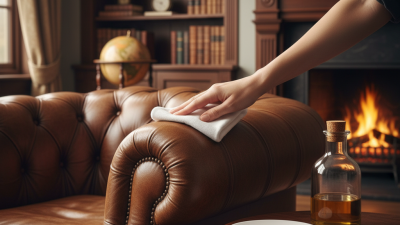
Caring for leather fabrics is essential to ensure longevity and maintain their appearance in various projects. First, it's important to understand the type of leather you are working with, as different types require different care techniques. For instance, full-grain leather is more durable and develops a beautiful patina over time, while suede needs more gentle handling to prevent damage. Regularly cleaning leather with a soft, damp cloth can remove dirt and prevent staining, while ensuring the material remains breathable.
Additionally, conditioning leather is crucial to keep it supple and prevent cracking. A high-quality leather conditioner can help restore moisture, especially in dry environments. Remember to avoid saturating the leather with water or cleaning products, as this can lead to discoloration and stiffness. For any spills, immediately blot the area with a clean cloth instead of rubbing it, to minimize the risk of the stain setting. Each project may have unique needs, so adapting your care routine based on the leather type used will lead to better results and extended durability.
Choosing the Best Leather Fabrics for Your Projects