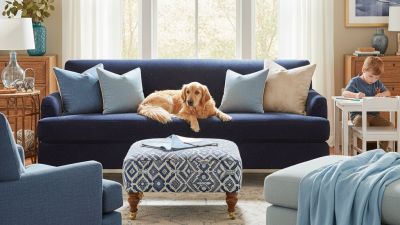
Choosing the best sofa upholstery is not just a matter of color. The fabric or leather affects comfort, cleaning, durability, and how a room feels each day. A pale linen sofa may look calm beside a sunny window, but it can show spills quickly. A tightly woven performance fabric may handle muddy paws better, though it might feel less soft. Small details matter.
Start by thinking about how the sofa is used. A busy family room needs different materials from a formal sitting room used twice a month. Check the fabric’s cleaning instructions, weave, texture, and durability rating, when one is available. If possible, request a swatch and view it in your own lighting. Feel it, rub it gently, and notice how its color changes near a window. These simple checks are useful, but they cannot predict every stain or year of wear.
There is no single best sofa upholstery for everyone. Natural fibers can feel breathable and inviting, while synthetic options often offer practical care benefits; blends may balance some of both. Leather has its own character and maintenance needs, too. The right choice depends on your budget, household, climate, and tolerance for visible wear. Be honest about that last part. A pristine white sofa looks lovely in a showroom, yet real life rarely behaves like one. This guide explains the key upholstery options and the questions worth asking before you buy.
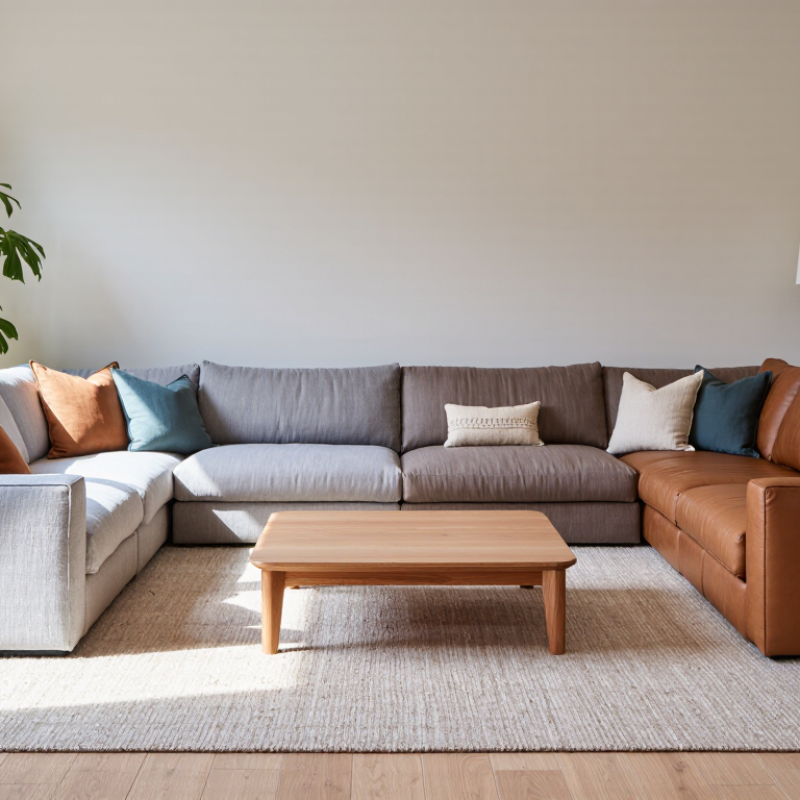
Before comparing sofa fabrics, picture an ordinary week at home. Does someone eat on the sofa, nap there, or climb onto it with a damp towel after swimming? Children, pets, and frequent guests can turn small spills into regular events. Real life matters. Note where the sofa will sit, too: strong afternoon sun may fade some fabrics, while a narrow hallway can make removable covers useful for cleaning.
Match the upholstery to the way the sofa is used, not just the way it looks in a showroom. A family’s main lounging sofa usually benefits from a tightly woven, abrasion-resistant fabric that can be cleaned according to its care label. Check whether stains need prompt blotting, whether covers are washable, and if textured yarns might snag on claws. For a rarely used sitting-room sofa, appearance and hand feel may matter more. Still, a pale, delicate fabric can be frustrating beside a busy kitchen. I have seen people focus on color and overlook maintenance; it is an easy mistake. That is normal. Before deciding, order or borrow a fabric swatch and test it in the room’s daylight. Sit on it, rub it gently, and imagine cleaning a small spill. A few minutes of honest testing can reveal a mismatch.
Scores are generalized relative ratings from 1 (less suitable) to 5 (more suitable), based on common material characteristics—not standardized product-test results. Check the care instructions and fabric specifications for the sofa you are considering.
Choosing sofa upholstery starts with comparing how each material behaves in daily use. Cotton feels soft and breathable, but it can wrinkle, fade, and absorb spills quickly. Linen offers a cool, textured surface, though its relaxed creases may look untidy. Wool resists crushing and recovers well after pressure. It can feel warm, however. Leather handles abrasion effectively and develops character over time, but direct sunlight may cause drying or color changes.
Synthetic fabrics bring different advantages. Polyester generally resists stains, stretching, and fading better than many natural fibers. It may also hold static and feel less breathable. Textile Exchange reported that polyester represented about 54% of global fiber production in 2022, showing its broad industrial use. Recycled polyester can reduce dependence on virgin materials, although its environmental performance still depends on processing and product lifespan.
Look beyond the fiber label. Ask for abrasion results, lightfastness, seam strength, and cleaning instructions. ACT performance guidance commonly uses abrasion testing, but high double-rub results do not guarantee comfort or long-term beauty. Testing methods also differ. Be careful here. A tightly woven fabric may suit a busy family room better than delicate linen. For pets, textured loops can catch claws, while smooth polyester often cleans more easily. In my experience, the “best” upholstery is rarely the most luxurious option. It is the material that matches your room, habits, and willingness to maintain it.
Compare comfort, durability, maintenance, and suitability before selecting upholstery for your sofa.
| Upholstery Material | Feel and Appearance | Typical Durability | Stain and Spill Resistance | Fade Resistance | Moisture and Breathability | Care Requirements | Best Suited For | Main Considerations |
|---|---|---|---|---|---|---|---|---|
| Cotton | Soft, comfortable, and available in many weaves and colors. | Moderate Can wear faster in heavily used areas unless blended or tightly woven. |
Absorbs liquids readily and can show marks; fabric protection may improve performance. | Moderate May fade with prolonged direct sunlight. |
Breathable and comfortable in warm conditions; absorbs moisture. | Follow the cleaning code on the fabric label; prompt spot treatment is important. | Living rooms, family rooms with moderate use, and casual interiors. | Natural comfort is excellent, but pure cotton may wrinkle, soil, or fade more readily than performance synthetics. |
| Linen | Cool, lightweight, and naturally textured with a relaxed appearance. | Moderate Strong fibers, but the surface can crease and develop a casual worn look. |
Absorbs moisture and can stain if spills are not treated quickly. | Moderate to Good Generally performs well, but prolonged sunlight can affect dyed colors. |
Highly breathable and comfortable in warm climates. | Usually requires careful professional or label-approved cleaning; avoid excessive moisture and heat. | Low-to-moderate-use spaces and relaxed, natural-style interiors. | Wrinkles are part of its character; it may be less practical for homes with frequent spills or intensive daily use. |
| Wool | Warm, soft, resilient, and often available in refined textured weaves. | Very Good Elastic fibers resist crushing and can recover from pressure. |
Naturally somewhat resistant to moisture and soiling, but liquid spills should still be removed promptly. | Good Quality and dyeing affect performance; direct sunlight should still be limited. |
Breathable and temperature-regulating. | Generally needs professional or label-approved cleaning; avoid high heat and aggressive agitation. | High-quality sofas, formal living rooms, and cool or variable climates. | Usually more expensive and may be sensitive to strong chemicals, heat, and prolonged dampness. |
| Polyester | Available in smooth, brushed, woven, and textured finishes; can imitate natural fibers. | Good to Very Good Resists abrasion and maintains color well in many upholstery constructions. |
Generally resists water-based spills better than absorbent natural fibers, but oils may be difficult to remove. | Good Often performs well against everyday light exposure, depending on dye and construction. |
Less breathable than cotton, linen, or wool. | Often relatively easy to maintain, but always follow the manufacturer’s cleaning code. | Family rooms, everyday sofas, rental properties, and busy households. | Can develop static or attract lint; low-quality fabrics may pill, while tightly woven versions usually perform better. |
| Nylon | Smooth, strong, and commonly used alone or blended with other fibers. | Very Good Excellent abrasion resistance and good recovery from repeated use. |
Usually resists many everyday spills, although oily stains may require specialized treatment. | Moderate Can be sensitive to ultraviolet exposure unless specially stabilized. |
Less breathable than most natural fibers. | Generally practical to clean when used in upholstery blends; follow the care label. | High-traffic seating and upholstery blends designed for heavy use. | May show heat damage or color change under strong sunlight; often chosen for strength rather than a natural feel. |
| Olefin | Lightweight, colorfast, and available in many woven or textured styles. | Good Resists abrasion well in suitable upholstery constructions. |
Very resistant to moisture and many water-based stains; oily substances can be more challenging. | Very Good Strong resistance to fading makes it useful in bright areas and some covered outdoor settings. |
Low moisture absorption; not as naturally breathable as linen or cotton. | Often easy to clean, but avoid excessive heat because the fiber has a relatively low melting point. | Sunlit rooms, family spaces, and selected indoor-outdoor applications. | Can be sensitive to heat and may have a less luxurious hand than wool or high-quality natural fabrics. |
| Acrylic | Soft and wool-like; can provide color-rich, casual, or textured finishes. | Good Suitable for regular use when the fabric is properly engineered. |
Generally resists moisture and many everyday stains better than absorbent natural fibers. | Very Good Often selected for strong color retention, especially in bright areas. |
Low moisture absorption and moderate breathability. | Usually manageable with label-approved cleaning; avoid excessive heat and harsh solvents. | Bright rooms, casual seating, and some indoor-outdoor upholstery applications. | May pill or develop a fuzzy surface in lower-quality fabrics; texture and construction are important. |
| Leather | Natural, smooth, and visually distinctive; develops a patina over time. | Very Good to Excellent Quality leather can last for many years with proper care. |
Does not absorb water immediately like fabric, but spills should be wiped up promptly; oils and ink may leave permanent marks. | Moderate to Good Direct sunlight and heat can dry, darken, or fade some finishes. |
Low moisture absorption and less fabric-like breathability; can feel cool or warm depending on room conditions. | Regular dusting and occasional leather-specific conditioning; avoid household detergents and excess water. | High-use sofas, sophisticated interiors, and households wanting long-term serviceability. | Usually costs more, can be scratched by pets or sharp objects, and may show natural variation in grain and color. |
| Performance Blends | Combines the appearance and comfort of different fibers with improved practical performance. | Good to Very Good Depends on fiber ratio, weave, backing, and abrasion rating. |
Often designed for improved stain resistance, but performance varies significantly by product. | Good to Very Good Check the stated use and lightfastness information. |
Varies according to the natural and synthetic fiber content. | May offer easier cleaning, but the exact cleaning code must be checked before purchase. | Families with children or pets, frequent-use sofas, and practical modern interiors. | “Performance” is not a universal standard; verify abrasion testing, cleaning instructions, and warranty terms. |
How to Choose the Best Sofa Upholstery?
Evaluate Durability, Cleaning Needs, and Maintenance
A sofa should match the way your household actually lives. If children climb on it or pets nap there, choose a tightly woven fabric with strong seam construction. Performance depends on more than appearance. Ask for abrasion information, but do not treat one test number as a guarantee. Daily friction, sunlight, and poor installation can shorten any fabric’s life.
Hold a sample near a window. Some colors fade faster than expected. Spill a small amount of water on an approved sample, then observe how quickly it absorbs. Always check the care label before testing. Removable, machine-washable covers can simplify routine cleaning, while fixed upholstery may require professional service. Leather usually wipes clean, but it can scratch and needs conditioning suited to its finish.
Maintenance habits matter most. Vacuum cushions and crevices weekly with a soft attachment. Rotate loose cushions when the manufacturer permits it. Blot spills immediately; rubbing can push liquid deeper into the fibers. Avoid strong household cleaners unless the upholstery instructions allow them. I once used too much water on a light sofa, leaving a visible edge after drying. That mistake taught me to clean gently and test hidden areas first. Perfect maintenance is unrealistic, but careless maintenance is expensive. Choose upholstery you can realistically care for on busy days.
How to Choose the Best Sofa Upholstery?
When choosing sofa upholstery, comfort should be tested, not guessed. Sit for at least ten minutes. Notice pressure around your hips, shoulders, and knees. A soft fabric may feel pleasant initially, but it can become warm after extended use. Breathable linen blends often feel cooler, while tightly woven textiles may offer firmer support. Check the cushion depth too. Deep seats can relax tall users, but shorter people may need extra back support.
Appearance depends on more than color. View fabric samples beside your flooring and curtains, preferably in natural daylight. Texture changes dramatically under lamps. A small sample can hide a large pattern or visible seam. I once selected a pale fabric from a showroom sample, and it looked much darker at home. That shortcut failed. Consider how the upholstery will age, not only how it looks today.
Practical features protect both comfort and value. Look for clear care instructions, strong stitching, and removable covers when possible. Families with children may prefer stain-resistant, tightly woven materials. Homes with pets need surfaces that do not easily catch claws or collect hair. Check whether cleaning products are approved for the fabric. Harsh solutions can damage color and weaken fibers. Sunlight matters too. A sofa near a bright window may fade unevenly, especially along the back. Ask for durability testing details, but remember that real household use can be less predictable.
Choose upholstery for the sofa’s shape and daily use, not just its showroom color. Tight-weave polyester blends often suit busy homes and can cost less than delicate natural fibers. Check the full reupholstery quote: fabric, required yardage, labor, cushion work, and delivery may be priced separately. A curved frame or loose cushions can need more fabric and skilled labor. Ask for a sample, then view it beside the sofa in daylight and lamplight.
Small detail, big difference.
For durability, the Association for Contract Textiles uses 30,000 Wyzenbeek double rubs as a heavy-duty benchmark. Treat this as a comparison point, not a promise of years of service; abrasion tests cannot capture every household’s wear. Pets, sunlight, spills, and cleaning habits matter too. A lower-priced fabric may be sensible on a rarely used formal sofa, but not on the family’s favorite seat.
I would not choose by rub count alone. Compare the care label, warranty terms, fabric weight, and a written labor estimate before paying a deposit.
The cheapest option can become expensive if its texture pills or its color fades near a sunny window.