What are Hybrid Cloth Diapers and How Do They Work?
Hybrid Cloth Diapers blend the convenience of disposable diapers with the benefits of cloth. They have gained popularity among eco-conscious parents. A 2022 survey indicated that 60% of parents switch to hybrid options for environmental reasons. These diapers often consist of a reusable outer shell combined with disposable inserts.
Research shows that the average baby produces about 4,000 diaper changes in their first two years. Traditional disposable diapers can take up to 500 years to decompose, contributing significantly to landfill waste. Hybrid cloth diapers present a solution by reducing this impact. Parents often appreciate their flexibility and ease of use.
However, there are challenges with hybrid systems. Some users report issues with the fit and absorbency of certain brands. Education on proper use and maintenance is crucial to maximize effectiveness. Overall, hybrid cloth diapers represent a step toward sustainable parenting but require careful consideration and a willingness to adapt.
What Are Hybrid Cloth Diapers? A Comprehensive Overview
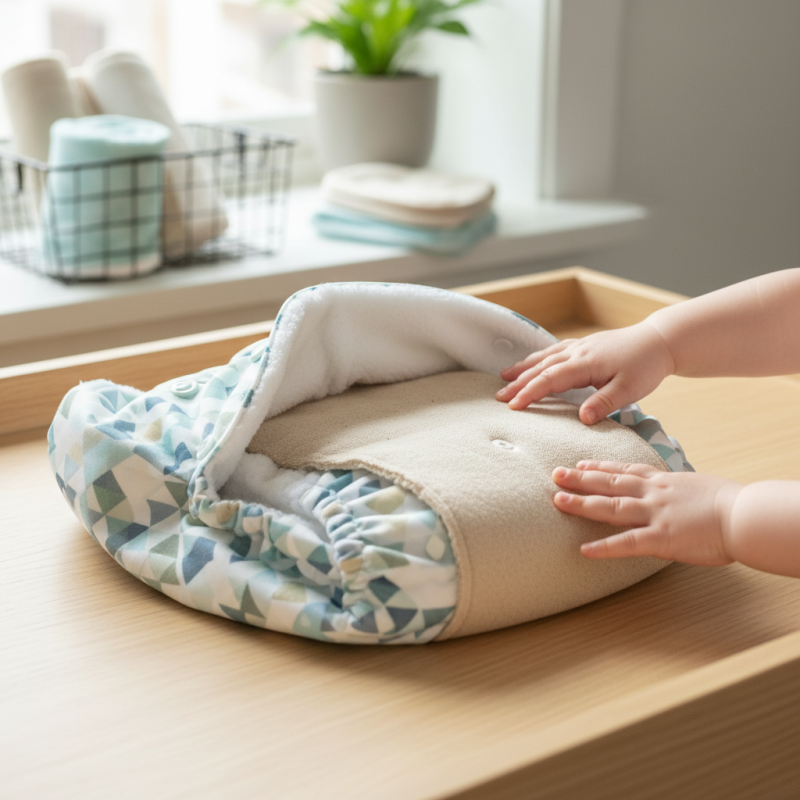
Hybrid cloth diapers are an innovative solution for modern parents seeking flexibility and practicality. These diapers combine the best elements of traditional cloth diapers and disposable inserts. The design typically includes a washable outer cover, often made from breathable materials, and an absorbent insert. This insert can be made from various materials, offering options for different absorption needs.
Using hybrid cloth diapers presents some challenges. Parents may find it difficult to choose the right insert for their child's needs. Not all inserts hold the same absorbency levels, which can lead to leaks if not matched correctly. Additionally, while they offer convenience, cleaning and maintaining the covers can be time-consuming. This approach can become overwhelming, especially for new parents already adjusting to a changing routine.
Despite these challenges, hybrid cloth diapers provide a sustainable alternative. They reduce waste and are often more affordable in the long run compared to disposable diapers. Understanding how to use and maintain them can enhance the experience for families. Parents become more involved in selecting the best materials, fostering a connection to their choices and their child's comfort. Exploring various options helps ensure more informed decisions, leading to a happier diapering journey.
The Components of Hybrid Cloth Diapers: Materials and Construction
Hybrid cloth diapers blend the best of both worlds, combining cloth and disposable elements. Their construction typically involves a waterproof outer layer, absorbent inserts, and a closure system. The outer layer is often made of materials like PUL (polyurethane laminate) or TPU (thermoplastic polyurethane), which prevent leaks. These materials are chosen for their durability and ease of cleaning.
The absorbent inserts are crucial for effective moisture management. They can be made from various fabrics, including cotton, bamboo, or microfiber. Each material has unique absorbency and drying times. Many parents appreciate the flexibility of using disposable inserts for outings and cloth inserts at home. This adaptability provides a versatile solution for modern parenting.
Despite their advantages, hybrid diapers may require some trial and error. Parents need to find the right combination of materials that works best for their child. Fit can vary significantly, affecting comfort and leak prevention. It’s vital to assess the diaper's performance regularly. Over time, some parents discover that the fit or absorbency may not meet their expectations, leading to adjustments in usage.
How Hybrid Cloth Diapers Function: An In-Depth Look at Absorbency
Hybrid cloth diapers offer a unique blend of convenience and sustainability. They typically consist of a waterproof outer layer and an absorbent interior insert. This structure allows caregivers to customize absorbency based on their child’s needs, making them a versatile choice for parents.
The absorbency of hybrid cloth diapers primarily comes from the inserts. These inserts can be made from various materials such as cotton, bamboo, or microfiber. Each material has its own absorbency rate. For example, bamboo is known for its high absorbency and natural antibacterial properties. This can help maintain your baby's skin health. However, some parents find that microfiber absorbs quickly but may not hold as much liquid as other options.
Tip: Always pre-wash inserts to enhance their absorbency. This removes any residual manufacturing chemicals. Furthermore, check the absorbency based on your child's activity level and adjust the insert accordingly. Not all inserts fit perfectly; find ones that suit your diaper shell well.
Hybrid diapers can sometimes leak if not fitted properly. It may take some trial and error. Experiment with different insert combinations to see what works best for your baby. Remember, every child is different, and what works for one may not work for another.
Benefits of Using Hybrid Cloth Diapers: Environmental and Economic Impact
Hybrid cloth diapers offer a unique solution for environmentally conscious parents. These diapers combine reusable cloth components with disposable inserts. This design significantly reduces waste compared to traditional disposables. According to a study from the Environmental Protection Agency (EPA), single-use diapers contribute over 3.5 million tons of waste annually in the U.S. alone. Using hybrid cloth diapers can minimize this environmental footprint while still providing convenience.
From an economic perspective, hybrid cloth diapers can also lead to substantial savings. On average, parents spend about $500 to $1,000 on disposable diapers for a child during their diapering years. A report from the National Diaper Bank Network indicates that using a combination of cloth and hybrid options can reduce costs by as much as 40%. Additionally, many families overlook the long-term benefits of reusability. While the initial investment in hybrid diapers may be higher, they can often last through multiple children, prompting deeper reflection on their cost-effectiveness and sustainability.
What are Hybrid Cloth Diapers and How Do They Work? - Benefits of Using Hybrid Cloth Diapers: Environmental and Economic Impact
| Dimension | Hybrid Cloth Diapers | Traditional Cloth Diapers | Disposable Diapers |
| Material | Cotton and synthetic | 100% cotton | Plastic and absorbent polymers |
| Washable | Yes | Yes | No |
| Cost per Diaper | $15-$30 | $10-$20 | $0.20-$0.40 |
| Impact on Landfill | Low | Low | High |
| Average Use Duration | 2-3 years | 2-3 years | Up to 4 years |
Comparative Analysis: Hybrid vs. Traditional Cloth and Disposable Diapers
Hybrid cloth diapers blend features of both traditional cloth and disposable diapers. They typically consist of a reusable outer layer and a disposable or washable insert. This design offers convenience along with environmental benefits, making them a popular choice for many parents.
When comparing hybrid and traditional cloth diapers, consider the ease of use. Hybrids may seem simpler, especially for those new to cloth diapering. You can change the insert without washing the outer layer each time. Traditional cloth diapers require more frequent laundering, which can be time-consuming. However, traditional options can be more cost-effective in the long run.
Tips: Consider your lifestyle when choosing a diaper type. If you’re busy, hybrids may suit you better. However, traditional cloth options might appeal to parents preferring minimal waste. Reflect on the environmental impact of your choices continuously. Choose wisely and experiment with both kinds to see what works best for your family.