What is an Inlay Card and How is it Used in Packaging?
In the world of packaging, the term "inlay card" often comes up. It serves a crucial role in enhancing product presentation. According to industry expert Mark Johnson, “An inlay card can transform a simple package into an appealing marketing tool.” This reflects the significant impact an inlay card can have on customer perception.
An inlay card not only informs but also entices buyers. It fits neatly inside the packaging, adding a layer of sophistication. The design of these cards can often be overlooked, yet it deserves attention. A well-designed inlay card can tell a story and communicate the product's value effectively.
However, not every inlay card achieves its purpose. Some designs fail to engage or provide clear information. Companies must reflect on the effectiveness of their inlay cards. Are they truly enhancing the packaging? Or are they merely an afterthought? This question can lead to substantial improvements in product marketing and consumer experience.
What is an Inlay Card and Its Role in Packaging Solutions
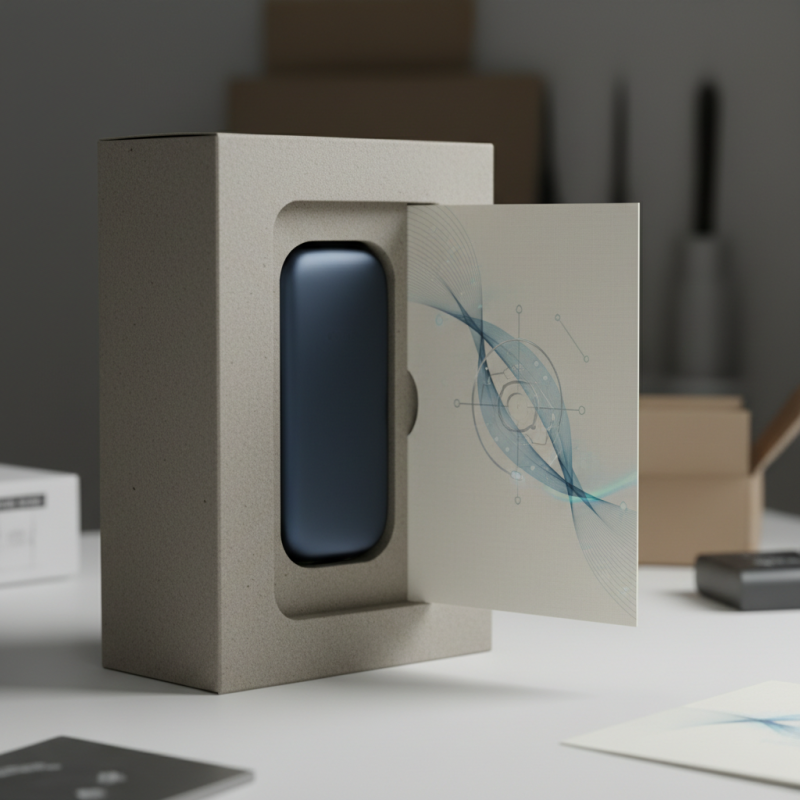
An inlay card is an essential component in packaging solutions. It serves various roles, from promotional to informational. Typically, these cards are inserted into a box or product packaging. They can include details about the product, usage instructions, or key features. The design often engages consumers, making them feel more connected to the product inside.
Functionality is one of the primary aspects of an inlay card. It not only protects items during shipping but also enhances the unboxing experience. A well-designed inlay card can add value, making a simple product feel premium. However, the execution is not always perfect. Sometimes, the information can be too cluttered, leaving customers confused. Striking the right balance in visuals and text is crucial.
Additionally, inlay cards can promote sustainability when made from recyclable materials. This choice appeals to environmentally conscious consumers. Yet, many companies overlook this detail. They may prioritize aesthetics over functionality. It’s essential to strike a balance between visual appeal and the card’s purpose. Careful thought is necessary to create a truly effective packaging solution.
Inlay Card Usage in Packaging Solutions
Types of Inlay Cards Used in Different Packaging Industries
Inlay cards serve various roles across multiple packaging industries. They help fill space in boxes, ensuring products remain secure during transit. In the electronics sector, these cards provide cushioning and protection against damage. They may feature cutouts to hold items like cables or batteries in place. The design reflects the product’s dimensions, making it an essential element in packaging.
In the food industry, inlay cards often add a layer of branding. They can display ingredients or nutritional information. However, some companies overlook the card's impact on the unboxing experience. Too often, inlay cards are treated as an afterthought. This approach can lead to a disconnect between the packaging and product expectations.
In the beauty sector, inlay cards are integral to aesthetics. They can enhance the visual appeal of products like perfumes or skincare items. Still, it is crucial to remember sustainability. Many inlay cards are not recyclable, posing a problem for eco-conscious consumers. Industries need to reconsider materials and design choices to create a lasting positive impression.
Advantages of Utilizing Inlay Cards in Product Presentation
Inlay cards are essential tools for enhancing product presentation. They fit neatly into packaging, creating an attractive visual appeal. This custom-made card can communicate vital product information effectively. It is an opportunity to tell a brand's story. Inlay cards can be printed in vibrant colors and interesting designs. They capture attention right away, which is critical in a crowded market.
Utilizing inlay cards offers several advanTages. They improve unboxing experiences for customers, making products feelpremium. An inlay card can also educate the consumer about usage, ingredients, or special features. This extra layer builds trust and rapport with the audience. However, inlay cards must be well-designed; otherwise, they can clutter the packaging. Striking the right balance is key. Careful consideration is necessary to ensure clarity without overwhelming the consumer.
Another point to consider is sustainability. Many companies are moving toward eco-friendly materials. It raises questions about the longevity and functionality of inlay cards. Brands should reflect on how they can minimize waste while maximizing impact. The right inlay card can elevate a product, but it must align with broader brand goals.
Key Statistics on Inlay Card Usage in Retail Packaging
Inlay cards are crucial in the retail packaging landscape. They provide product information and promotional details. A recent study indicated that 67% of consumers prefer products with detailed packaging. Clear information influences purchasing decisions heavily. Retailers report that inlay cards can increase customer engagement significantly.
Statistics show that inlay card use has grown by 25% in the last five years. This growth reflects a broader trend in consumer demand for transparency. Customers want to know what they are buying. 32% of shoppers have abandoned products due to inadequate information on packaging. Brands risk losing potential sales if they neglect inlay card utilization.
Moreover, it’s worth noting that not all brands utilize inlay cards effectively. Some designs are cluttered or poorly printed. A stark 42% of consumers found such designs confusing. Inlay cards should enhance understanding, not hinder it. Improving the clarity of information on inlay cards remains a challenge for many retailers. This is an area that requires ongoing improvement and thoughtful design.
Innovative Trends in Inlay Card Design and Functionality
Inlay cards are gaining traction in packaging design. These cards serve multiple functions, from product information to promotional offers. According to a recent report by Packaging Insights, 67% of consumers prefer interactive packaging that enhances their shopping experience. This trend has boosted the use of inlay cards significantly.
Innovative designs are emerging. For instance, some brands are integrating augmented reality features, allowing consumers to interact with products digitally. This change aligns with a demand for engaging packaging. However, not all brands are successful. Many struggle to balance aesthetics and functionality. A study by the Packaging Association found that 30% of companies reported mismatches between consumer expectations and inlay card performance.
The environmental impact is another concern. While inlay cards can improve user experience, many are made from non-recyclable materials. An estimated 40% of packaging waste is attributed to paper and cardboard. This statistic calls for improvements in sustainability. Brands need to rethink their strategies. Transitioning to eco-friendly materials is essential for future growth.
What is an Inlay Card and How is it Used in Packaging?
| Dimension | Description |
| Material | Usually made from cardstock or synthetic materials, providing durability. |
| Purpose | To provide information and enhance the customer experience by including additional elements with the packaging. |
| Design Trends | Integration of QR codes, use of eco-friendly materials, and incorporation of augmented reality. |
| Customization | Inlays can be customized in size, shape, and design to match product branding. |
| Functionality | Can serve as a user manual, promotional tool, or as a point of sale display. |
| Sustainability | Increasingly using recyclable and biodegradable materials in response to environmental concerns. |