What is Silk Fabric by the Yard and How to Choose the Best Type?
Silk fabric by the yard is a luxurious choice for many fashion enthusiasts. The silk industry has witnessed significant growth. According to a recent report by ResearchAndMarkets, the silk market is expected to reach $7.7 billion by 2025. This increase highlights the growing demand for silk in various applications. Choosing the right silk fabric can feel overwhelming. It’s essential to understand the different types available.
Silk is known for its softness and sheen. However, not all silk is created equal. Various types, such as mulberry, Tussah, and charmeuse, each offer unique qualities. This diversity can lead to confusion while selecting. Many buyers struggle with knowing the right type for their projects. The texture, weight, and draping qualities can greatly influence a finished garment's appearance. A misleading choice can result in dissatisfaction.
Additionally, the importance of sourcing high-quality silk cannot be understated. Poor quality silk can affect both the look and feel of your creations. Transparency in sourcing and understanding fabric specifics is vital. Each step in the selection process carries weight. Investing in the right silk fabric by the yard ensures that your final product meets your standards.
What Is Silk Fabric and Its Unique Characteristics?
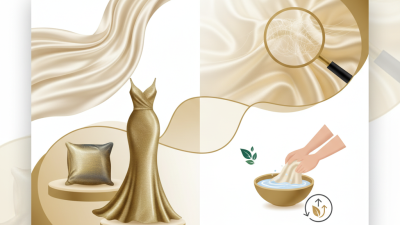
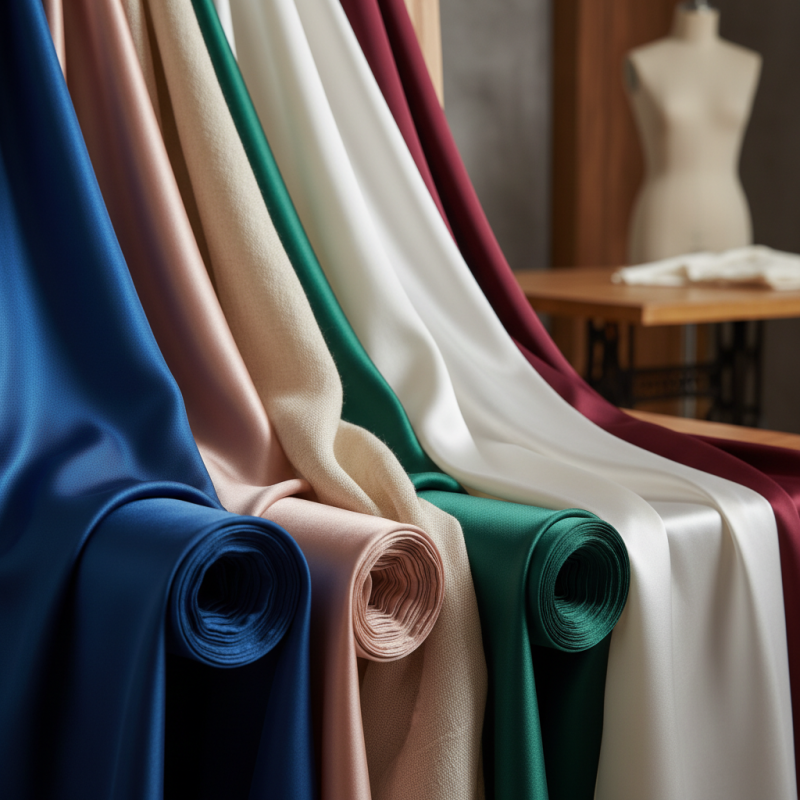
Silk fabric is a luxurious textile known for its smooth texture and rich appearance. It's made from the fibers produced by silkworms. This fabric is light yet strong, making it perfect for a variety of garments. The sheen of silk can elevate any outfit, adding elegance to both casual and formal wear.
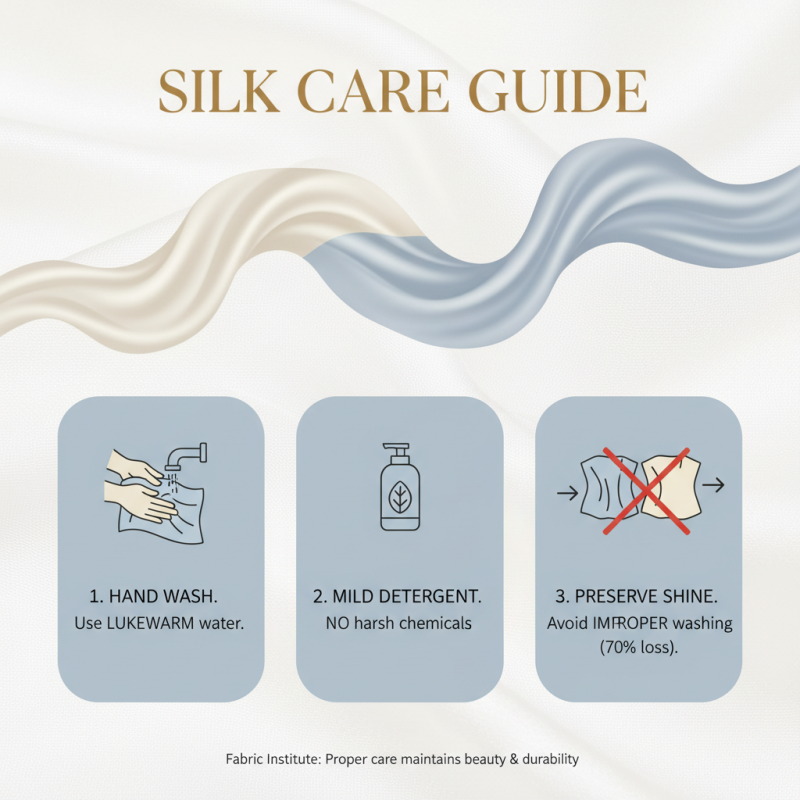
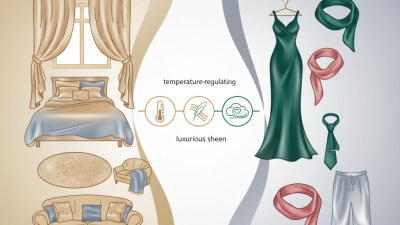
Unique characteristics of silk include its breathability and natural temperature regulation. Silk keeps you cool in summer and warm in winter. However, care is essential. Silk requires gentle washing and can be prone to wrinkles. It's tempting to wear silk all the time, but overexposure can lead to fading and wear.
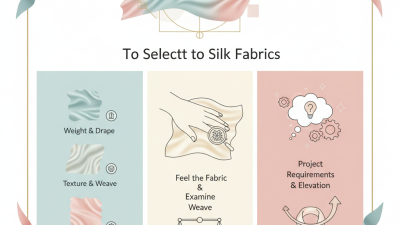
Choosing the best type of silk can be challenging. Each type has its own qualities, from the lustrous charmeuse to the textured dupioni. Consider the fabric's weight and drape when making a decision. Feel the fabric between your fingers; that tactile experience is often telling. Don’t overlook the importance of purpose—what will you create?
Types of Silk Fabric and Their Best Uses
Silk fabric is a luxurious material favored for its soft texture and elegant appearance. When choosing silk, it's essential to understand the different types and their best uses. There are several popular types of silk, each with unique properties that make them suitable for various applications.
Charmeuse silk is known for its glossy finish. This fabric drapes beautifully, making it ideal for evening gowns and lingerie. According to industry reports, charmeuse has a high sheen that enhances colors, making it a popular choice for designers. Meanwhile, silk satin has a thick, luxurious feel but is slightly heavier than charmeuse. It works well for tailored garments and formal wear due to its structured quality.
Another common option is habotai silk, which is lightweight and less expensive. It’s often used for linings and lightweight scarves. While habotai lacks the luxurious sheen of charmeuse, it offers a more casual elegance. However, it's crucial to reflect on the use case. For instance, a silk type that looks great in theory might not hold up well in practice. Understanding durability and maintenance is key to making the right choice. Always consider the end use to ensure the selected silk performs as expected.
What is Silk Fabric by the Yard and How to Choose the Best Type? - Types of Silk Fabric and Their Best Uses
| Type of Silk |
Description |
Best Uses |
Care Instructions |
| Mulberry Silk |
The most common type, renowned for its smooth texture and luster. |
Luxury clothing, bedding, and accessories. |
Dry clean recommended, gentle hand wash possible. |
| Charmeuse |
A soft, glossy fabric often used in evening wear. |
Dresses, lingerie, and blouses. |
Dry clean preferred, gentle cycle wash possible. |
| Silk Satin |
Known for its shiny surface and luxurious feel. |
Formal wear, drapery, and accessories. |
Dry cleaning recommended, avoid chlorine bleach. |
| Duchess Satin |
A heavier type of satin for structured designs. |
Bridal gowns, structured evening wear, and upholstery. |
Dry clean only to maintain structure. |
| Taffeta |
Crisp and slightly lustrous, giving a structured look. |
Formal dresses, linings, and home decor. |
Dry clean recommended, avoid excessive wrinkling. |
Factors to Consider When Choosing Silk Fabric by the Yard
When choosing silk fabric by the yard, there are several factors to consider. Not all silk is created equal. Look at the type of silk. There are different varieties, such as mulberry, wild, and satin silk. Each type has unique characteristics. For example, mulberry silk is soft and smooth, while wild silk may have a more textured feel.
Consider the weight of the fabric. Lighter silks work well for blouses or scarves. Heavier silks are suitable for dresses or upholstery. Don't forget to check the weave type. A tighter weave offers more durability, while a looser weave gives a more flowing look.
Tips: Always touch the fabric before buying. This helps you gauge its softness and drape. If possible, get samples. Compare colors and textures in different lighting. Remember, silk can be tricky. It can wrinkle easily or show stains. Think about your care options before purchasing. Also, consider how the fabric will behave in washing. Choosing the right silk requires thought, so take your time.
Tips for Buying High-Quality Silk Fabric Online or In-store
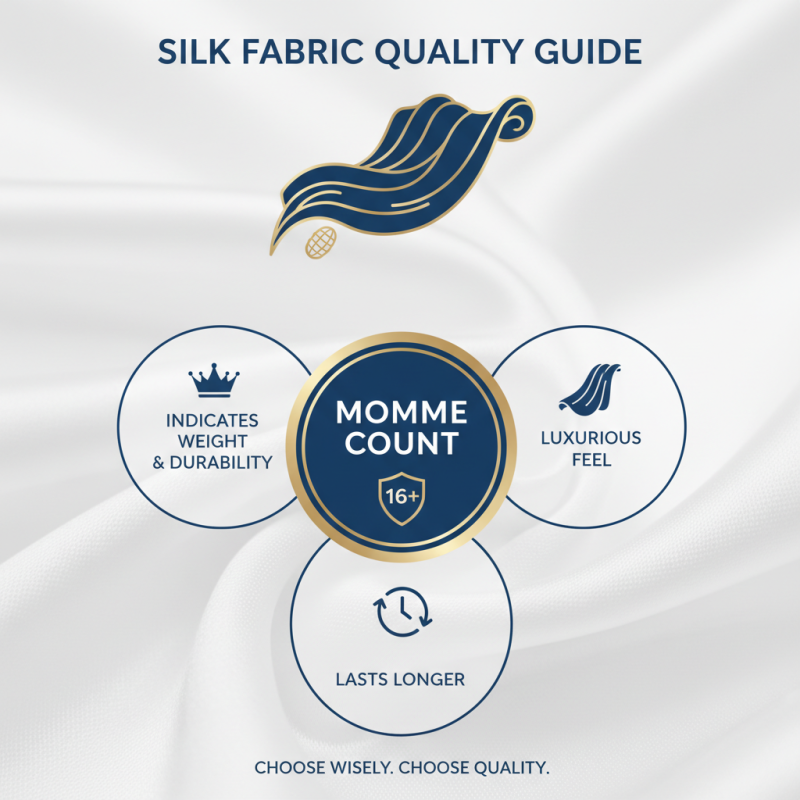
When buying silk fabric, quality matters. Look for a high momme count, which indicates the fabric's weight and durability. Reports show that fabrics with a momme count of at least 16 are considered high-quality. This means you’ll get a luxurious feel that lasts longer.
Examining the fabric is key. Silk should have a smooth touch and a slight sheen. If the fabric feels rough, it might be a lower quality. Check for uniformity in color and texture. Sometimes, imperfections are hidden under flashy patterns. When shopping online, read reviews carefully. Customers often share their experiences with fabric quality.
Also, consider the weave. Charmeuse silk is glossy and perfect for evening wear. Crepe silk has a textured surface, ideal for everyday clothing. The right choice depends on your project needs. Remember that sometimes the cheaper options might come with hidden flaws. Be cautious and take your time when selecting the finest silk.