Ultimate Tips for Choosing the Best Chair Upholstery?
Choosing the right chair upholstery can transform your space. It’s more than just aesthetics; it defines comfort and longevity. Jane Smith, a recognized expert in upholstery design, emphasizes, “The right fabric can elevate a chair from ordinary to extraordinary.” This highlights the importance of careful selection.
Consider the function of your chair. Will it endure everyday use or serve as a statement piece? Fabrics like leather offer durability, while textiles like velvet provide a luxurious feel. You must also think about maintenance. Some materials require more care, making them less practical for active households.
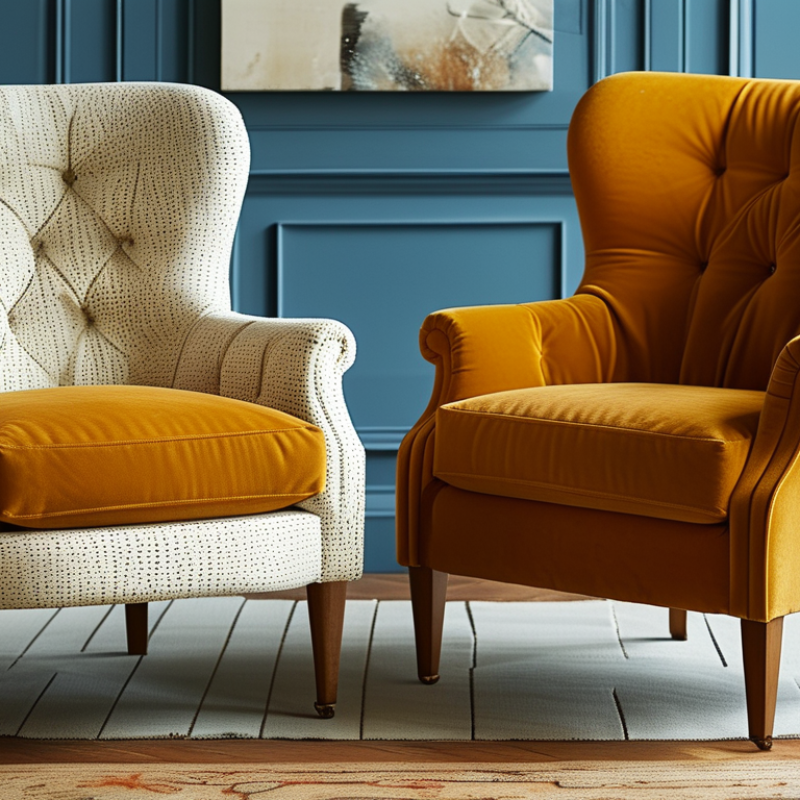
As you explore options, reflect on your personal style. Do you prefer bold patterns or subtle tones? Each choice impacts the room’s ambiance. Don’t hesitate to experiment, but balance creativity with functionality. Your chair upholstery should blend beauty with purpose.
Understanding Different Types of Chair Upholstery Fabrics
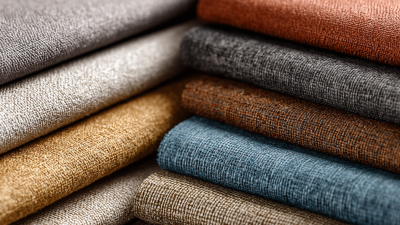
Choosing the right chair upholstery can be an overwhelming task. Understanding different types of fabrics is essential to make an informed decision. For example, natural fibers like cotton and linen are soft and breathable, but they often stain easily. Synthetic fabrics, such as polyester, offer durability and resistance to fading, making them perfect for high-traffic areas.
Leather is another popular choice. It exudes a luxurious feel and is relatively easy to clean. However, it can be prone to scratching and may require regular maintenance. While considering aesthetics, also think about the fabric’s texture and how it feels against the skin.
Don’t forget about patterns and colors. Neutral tones can blend seamlessly into various decor styles, while bold patterns can serve as statement pieces. Reflect on your lifestyle and the specifics of your living space. Fabrics may wear differently depending on usage and exposure to sunlight. Ultimately, it is crucial to choose materials that balance style, comfort, and durability.
Evaluating Durability and Maintenance Requirements for Upholstery
Choosing the right upholstery for chairs requires a keen understanding of durability and maintenance. According to industry reports, upholstery can last anywhere from 3 to 15 years, depending on material and usage. Natural fibers like cotton and linen may wear quickly in high-traffic areas. Conversely, synthetic fabrics can offer better resilience, with some engineered to withstand fading and staining.
Maintenance also varies significantly across different materials. For instance, leather upholstery demands specific conditioning to avoid cracking, while microfiber can be easier to clean yet susceptible to stains. A study by the American Association of Textile Chemists and Colorists highlights that 70% of consumers prioritize easy cleaning when selecting upholstery. Understanding stain resistance, colorfastness, and maintenance routines is essential for longevity.
Reflecting on personal experiences can guide decisions. Perhaps a fabric seemed beautiful initially but proved challenging to care for. Feedback from others can shed light on unexpected maintenance issues. While aesthetics are vital, ignoring durability can lead to costly replacements. Consider not just the initial appeal, but also how the material will hold up over time.
Ultimate Tips for Choosing the Best Chair Upholstery
| Upholstery Type |
Durability (Years) |
Maintenance Level |
Stain Resistance |
Comfort Level |
| Leather |
10-15 |
Low |
High |
High |
| Fabric |
5-10 |
Medium |
Medium |
High |
| Vinyl |
5-7 |
Low |
Medium |
Medium |
| Microfiber |
7-10 |
Medium |
High |
High |
| Canvas |
3-5 |
High |
Low |
Medium |
Considering Style and Aesthetic Appeal in Upholstery Choices
Choosing the right upholstery for your chair involves more than comfort. It's about style and aesthetic appeal too. The fabric you choose can transform a piece from ordinary to extraordinary. Consider the room's existing decor. A well-selected upholstery should complement the color palette and overall theme. Opt for textures that invite touch, enhancing the visual experience.
When exploring options, think about patterns and prints. Floral designs can add vibrancy, while geometric patterns offer a modern flair. Solid colors provide a versatile base. They can easily adapt to changing trends. Keep in mind the chair's purpose. A casual lounge chair might suit a playful fabric, while an office chair may need something more subdued.
Don't overlook the practicality of the fabric. Light-colored upholstery may look stunning but can show stains easily. Durable materials are essential for high-traffic areas. Reflect on your lifestyle and how often the chair will be used. It's important to balance aesthetics with functionality. The ideal choice should resonate with your personal style while serving its purpose effectively.
Assessing Comfort and Ergonomics in Upholstered Chairs
When selecting upholstered chairs, assessing comfort and ergonomics is crucial. Recent studies indicate that an effective ergonomic chair can reduce discomfort and improve productivity by significant margins. According to the American Chiropractic Association, approximately 80% of Americans will experience back pain in their lifetime. This statistic underlines the importance of good chair design, as ergonomic features can greatly alleviate strain on the body.
Comfort isn't merely about padding. Research shows that the right chair should support the natural curve of the spine. A chair with proper lumbar support can prevent long-term health issues. The ideal seat height allows the feet to rest flat on the floor. Aim for a 90-degree angle at the knees. This promotes better circulation and reaches your toes. Remember, individual preferences matter. Some might find a firmer seat more comfortable, while others prefer cushioning.
It's also worth noting that measuring comfort can be subjective. A design may appeal visually but lack adequate support. It's essential to engage in hands-on testing before purchasing. Take time to sit in a chair for at least 15 minutes, checking for pressure points. In this era of remote work, investing time in choosing the right chair can have lasting effects on health and productivity. Prioritize ergonomic guidelines, but remain attentive to personal comfort standards when making your selection.
Ultimate Tips for Choosing the Best Chair Upholstery
This chart illustrates the key factors to consider when choosing chair upholstery, rated from 1 to 10 based on importance. Comfort ranks highest, while cost is the most critical factor affecting choice. Understanding these dimensions can help in selecting the ideal upholstery for your chairs.
Budgeting and Cost Analysis for Upholstery Selection
Budgeting for chair upholstery can be challenging. Consider your overall budget first. Take into account the cost of materials, labor, and extra expenses. Quality materials may cost more but often last longer, reducing long-term costs. On the other hand, cheaper fabrics might wear out quickly. It’s essential to balance quality and expense.
It’s also wise to think beyond initial costs. Maintenance costs can affect your budget in the long run. Some fabrics require special cleaning methods, which may lead to higher expenses. Researching fabric durability can save money. Reflect on how often you use the chair. Frequent use may justify investing in premium options.
In the end, assess available choices and their benefits. Be open to exploring different types of upholstery. It’s crucial to find what meets your needs without overspending. Consulting with professionals can provide insights into realistic pricing. Always aim for a choice that combines aesthetics, comfort, and practicality.