Ultimate Tips for Choosing Vinyl Upholstery Fabric?

Choosing the right vinyl upholstery fabric can feel daunting. With many options available, it’s essential to make an informed decision. Vinyl upholstery fabric is popular for its durability and easy maintenance. Yet, not all vinyl is created equal.

Consider the texture and appearance of the fabric. Some options are smooth, while others have a more textured feel. Color choices can also impact your space's overall look. A bold color can energize a room, while muted tones offer calmness. Don't forget about patterns; they can add character to your furniture.

Think about where you will use the fabric. Is it for a high-traffic area? Some vinyl upholstery fabrics are sturdier than others. Reflect on your needs and lifestyle. It’s normal to feel unsure, but taking the time to explore can lead to the perfect choice. Remember, the right vinyl upholstery fabric can transform your space.
Ultimate Tips for Choosing Vinyl Upholstery Fabric?

Understanding the Types of Vinyl Upholstery Fabrics Available on the Market
Ultimate Tips for Choosing Vinyl Upholstery Fabric?

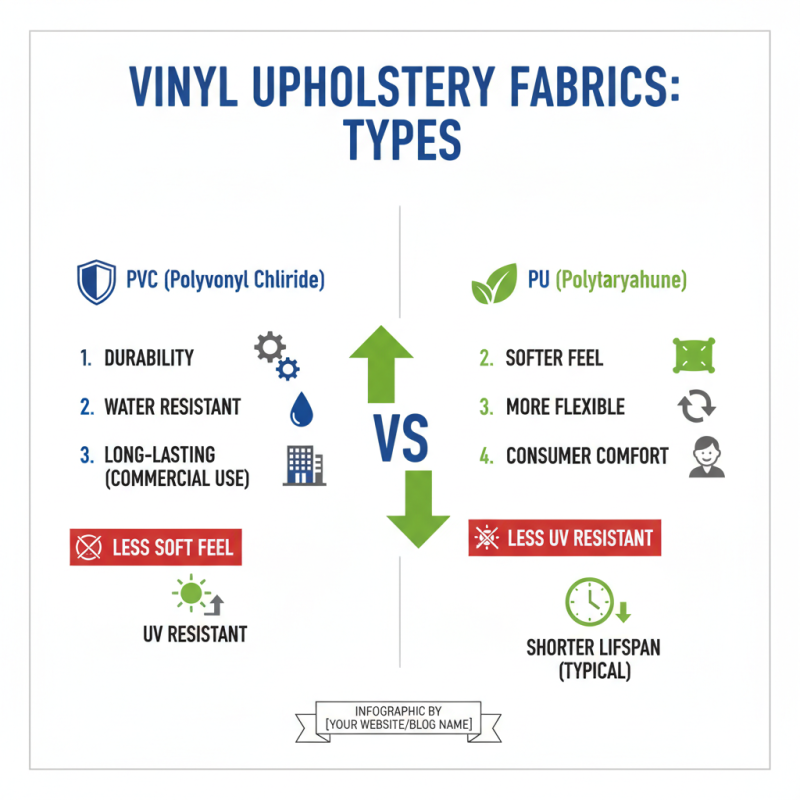
When selecting vinyl upholstery fabrics, it's essential to understand the various types available. At the core, there are two primary categories: PVC (polyvinyl chloride) and PU (polyurethane). PVC is known for its durability and water resistance. It often lasts longer than PU, making it popular in commercial settings. Statistically, PVC can endure prolonged exposure to sunlight without significant degradation. However, it can feel less soft, which may not appeal to every consumer.

On the other hand, PU offers a more supple feel, mimicking leather in texture. It’s considered eco-friendlier, as it does not release harmful chemicals during production. According to a 2021 report by the Upholstery Fabric Institute, the market for PU upholstery is projected to grow by 6% annually. This rise indicates a shift in consumer preferences towards more sustainable materials, even if they come at a higher cost.

Choosing the right type of vinyl involves assessing your needs carefully. Some users may overlook maintenance requirements, which can lead to premature wear. PVC may resist stains, but cleaning it can be an arduous task. PU, while easier to clean, is less durable against heavy usage. Understanding these trade-offs is crucial in making an informed decision.
Evaluating Durability: Key Metrics for Vinyl Fabric Longevity and Resistance

When evaluating the durability of vinyl upholstery fabric, several key metrics matter. One critical factor is the fabric's thickness. Thicker materials often resist tearing better. Moreover, consider the weight. Heavier fabrics usually hold up to daily wear. Then, look at the tensile strength. This measures how much pulling force the fabric can withstand before breaking. High tensile strength is essential for longevity.

Another important aspect is the finish of the vinyl. A good finish not only enhances appearance but also boosts resistance to stains and fading. Look for products that claim UV protection. This keeps colors vibrant over time. Also, check for abrasion resistance. Fabrics that withstand friction will last longer in high-use areas.

Keep an eye on the warranty. A longer warranty often indicates a manufacturer’s confidence in durability. However, even with good metrics, life can surprise us. Sometimes, factors like exposure to sunlight or intense cleaning can reduce a fabric's life faster than expected. Choosing vinyl upholstery fabric isn’t a straightforward task. It requires thoughtful consideration of each detail.

Assessing Aesthetic Appeal: Color, Texture, and Design Considerations in Vinyl

Ultimate Tips for Choosing Vinyl Upholstery Fabric?

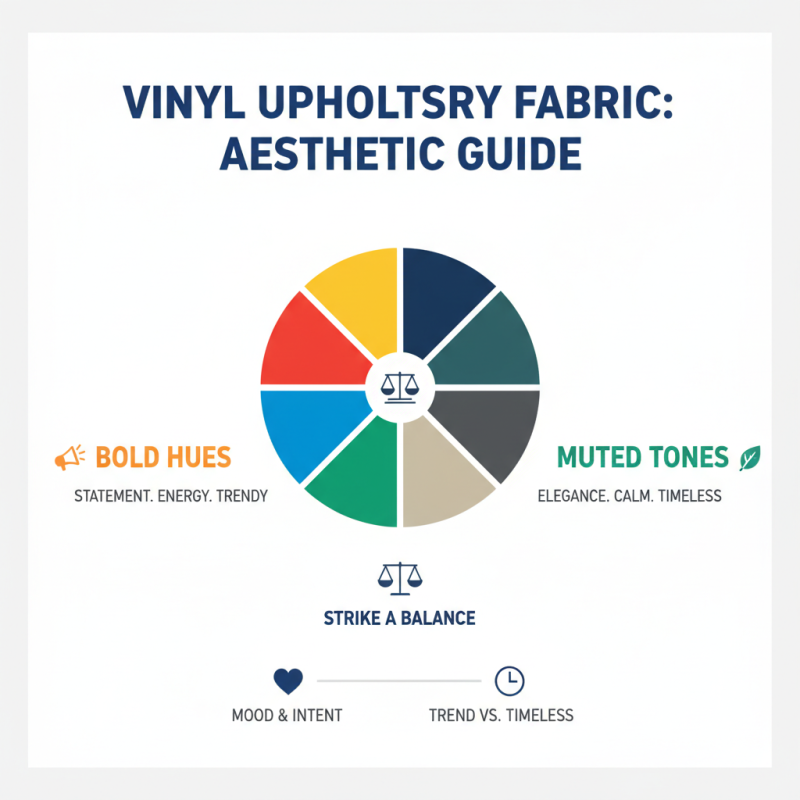
When selecting vinyl upholstery fabric, consider its aesthetic appeal closely. Color selection plays a vital role. Bold hues can make a statement, while muted tones offer subtle elegance. Think about the mood you wish to create in the space. Hard choices exist between trendy and timeless colors. A bright red may excite, but a deep navy brings calmness. Strike a balance that resonates with your design intentions.

Texture is equally important in vinyl. Smooth surfaces give a modern touch, whereas textured options add depth. Different finishes reflect light uniquely. A glossy finish might show fingerprints easily, while matte textures can hide imperfections better. Evaluate how these textures will interact with the environment of your space.

Finally, design patterns can enhance or detract from overall aesthetics. Geometric shapes bring a contemporary feel, while florals add a classic touch. Choosing intricate designs can be risky; they might not age well. Consider how patterns fit with existing decor. It’s crucial to visualize the final outcome. Sometimes, stepping back from the decision helps clarify which choice truly suits your vision.

Environmental Impact: Eco-Friendly Options and Sustainability of Vinyl Upholstery

When choosing vinyl upholstery fabric, it's crucial to consider its environmental impact. Traditional vinyl production can be harmful, releasing toxins. However, there are eco-friendly options available. Look for PVC-free vinyl made from sustainable materials. These alternatives often have a lower carbon footprint.

Sustainability is about more than just materials. It's also about durability. High-quality vinyl can last for years, reducing the need for frequent replacements. This longevity can lessen waste, making it a more responsible choice overall. Yet, even the best options have their downsides. Some eco-friendly vinyls may not perform well in high-use areas. Always test the fabric before making a commitment.

Another factor to reflect on is the recycling potential. Not all vinyl is recyclable, so that can complicate its eco-friendliness. Choosing recyclable vinyl can help close the loop, but it requires careful research. Think about the product’s lifecycle. Are you investing in a fabric that won’t end up in a landfill? There’s no perfect answer, but educating yourself is the first step.

Environmental Impact of Vinyl Upholstery Fabric

This chart illustrates the environmental impacts of various types of vinyl upholstery fabrics based on their eco-friendly options and sustainability efforts.

Budgeting for Quality: Cost-Effectiveness and Value Analysis in Vinyl Selection

When selecting vinyl upholstery fabric, budgeting plays a crucial role. Quality often comes with a higher price tag. However, it's essential to analyze the value of your investment. Consider the intended use of the fabric. Is it for a high-traffic area or a decorative piece? Knowing this helps prioritize durability over cost.

Cost-effectiveness isn't just about the upfront price. Cheaper options may lead to quicker wear and a need for replacement. This adds hidden costs. It's worth assessing the maintenance needs of different vinyl types. Some require special cleaning, while others are more forgiving.

Think about the long-term implications of your choice. Investing a little more initially can save you money later. Consider customer reviews and user experiences to guide your decision. The right vinyl selection balances functionality and aesthetics without breaking the bank. Making a thoughtful decision here can bring satisfaction for years to come.

Ultimate Tips for Choosing Vinyl Upholstery Fabric

Fabric Type Cost per Yard Durability Rating (1-10) Water Resistance Cleaning Method
Heavyweight Vinyl $12 9 Yes Wipe with damp cloth
Lightweight Vinyl $8 6 No Spot Clean Only
Marine Vinyl $15 10 Yes Mild detergent and water
Decorative Vinyl $10 7 No Vacuum and soft cloth