2025 Top 5 Bulk Fabric Trends You Can't Afford to Miss
As we look ahead to 2025, the world of textiles is poised for exciting transformations, particularly in the realm of bulk fabric. With diverse applications ranging from fashion to interior design, understanding the trends shaping this material is essential for designers, manufacturers, and retailers alike. The nuances of bulk fabric not only reflect consumer preferences but also respond to broader societal shifts, such as sustainability and technological advancements.
In this exploration of the top five bulk fabric trends that you can't afford to miss, we will delve into the innovative materials and techniques that are setting the stage for the future. From eco-conscious fabrics that minimize environmental impact to versatile designs that cater to a changing market, these trends are reshaping how we perceive and use bulk fabric. Stay tuned as we unravel the key movements that will dominate the fabric industry in the coming years, ensuring you stay ahead of the curve in this dynamic landscape.
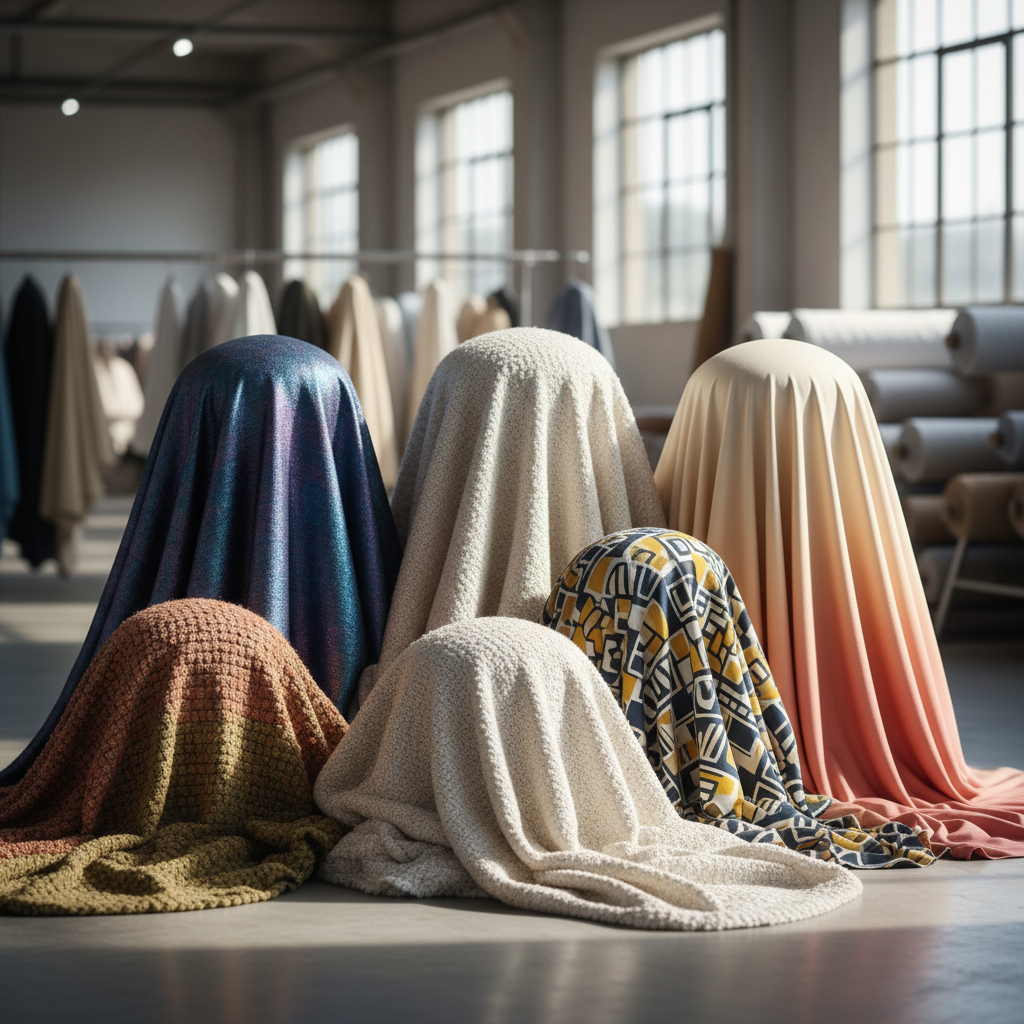
Sustainable Fabric Innovations: The Growing Demand for Eco-Friendly Materials in 2025
As we look toward 2025, the landscape of bulk fabric options is shifting significantly towards sustainability. With a growing global emphasis on eco-consciousness, consumers are actively seeking out materials that not only fulfill their practical needs but also minimize environmental impact. This shift is driving manufacturers to innovate, resulting in a diverse range of sustainable fabric options that cater to various industries, from fashion to home décor.
Eco-friendly materials such as organic cotton, recycled polyester, and Tencel are gaining popularity due to their reduced carbon footprints and sustainable production processes. Brands are now prioritizing transparency in their supply chains, allowing customers to make informed choices about the fabrics they purchase.
Additionally, advancements in technology are enabling the creation of innovative fabrics made from waste products, such as ocean plastics and agricultural by-products. This trend not only addresses waste issues but also promotes circular economy principles, making sustainable fabrics a cornerstone of the textile industry in the coming years.
The Rise of Performance Fabrics: Meeting the Needs of Active and Outdoor Lifestyles
The rise of performance fabrics has transformed the textile industry, especially in response to the increasing demand for materials that support active and outdoor lifestyles. Consumers are looking for textiles that offer not only durability but also functionality. Advanced technologies have enabled manufacturers to create fabrics that are lightweight, moisture-wicking, and resistant to wear and tear, making them the ideal choice for sports enthusiasts and outdoor adventurers.
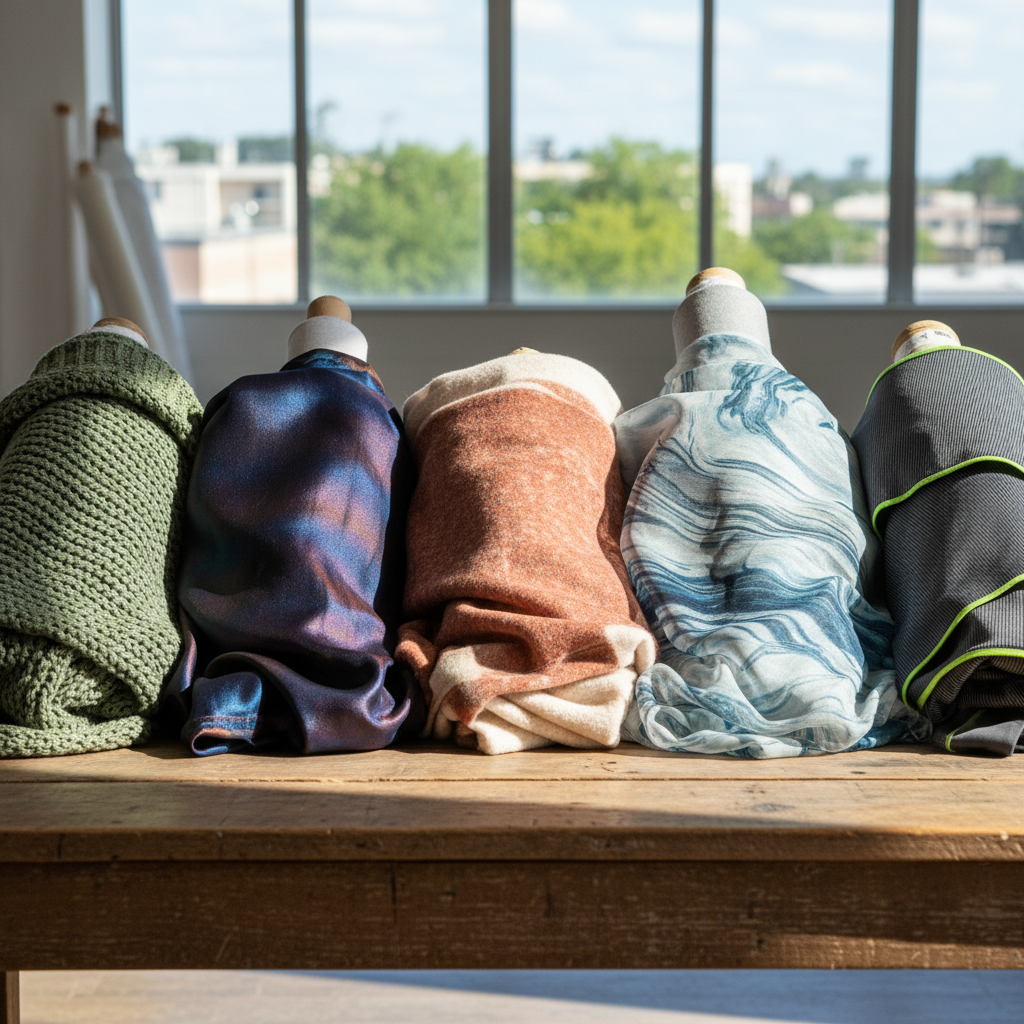
These innovative fabrics are designed to enhance performance, providing comfort and protection in various conditions. For instance, breathable materials keep athletes cool while they work up a sweat, while water-resistant coatings ensure outdoor gear remains functional in unpredictable weather. As more people embrace healthier, more active lifestyles, the demand for these high-performance textiles is set to grow, influencing trends across the fashion and outdoor industries. Retailers are responding by expanding their collections to include a diverse range of performance fabrics, catering to both style and practicality.
Technological Advancements: How Smart Textiles Are Shaping the Future of Bulk Fabric
The evolution of bulk fabric trends in 2025 will be significantly influenced by technological advancements,
particularly the rise of smart textiles. According to a report by Research and Markets,
the global smart textile market is projected to grow to $6.93 billion by 2025, with a compound annual growth rate (CAGR)
of 24.5%. This growth is driven by
innovative applications in various sectors, including healthcare,
sports, and fashion,
where fabrics can monitor vital signs, enhance comfort, and provide unique functionalities.
Integrating smart textiles into bulk fabric manufacturing can substantially enhance product offerings. For example, companies can develop fabrics
that adjust temperature or humidity levels, catering to consumer demands for personalized comfort. Additionally, smart textiles equipped with
sensors can track physical activity, making them valuable in activewear and health monitoring.
Manufacturers need to stay ahead of these trends to meet evolving consumer preferences.
Tips: To effectively incorporate smart textiles into your product line, start by
researching the latest sensor technologies that align with your brand values. Collaboration with tech innovators can streamline the integration
process. Furthermore, prioritize sustainability by exploring eco-friendly materials within the smart textile sector, ensuring that your product
appeals to environmentally conscious consumers.
Textile Recycling Trends: Turning Waste into High-Quality Bulk Fabrics for 2025
As the fashion industry evolves, the significance of textile recycling becomes increasingly pronounced. In 2025, we are set to see a substantial rise in the use of recycled materials in bulk fabrics, marking a pivotal shift towards sustainability. This trend is characterized by innovative techniques that transform discarded textiles into high-quality materials, drastically reducing waste and the environmental impact associated with traditional fabric production. Brands are tapping into advanced recycling methods to create luxurious fabrics from unwanted products, proving that sustainability can go hand in hand with style.
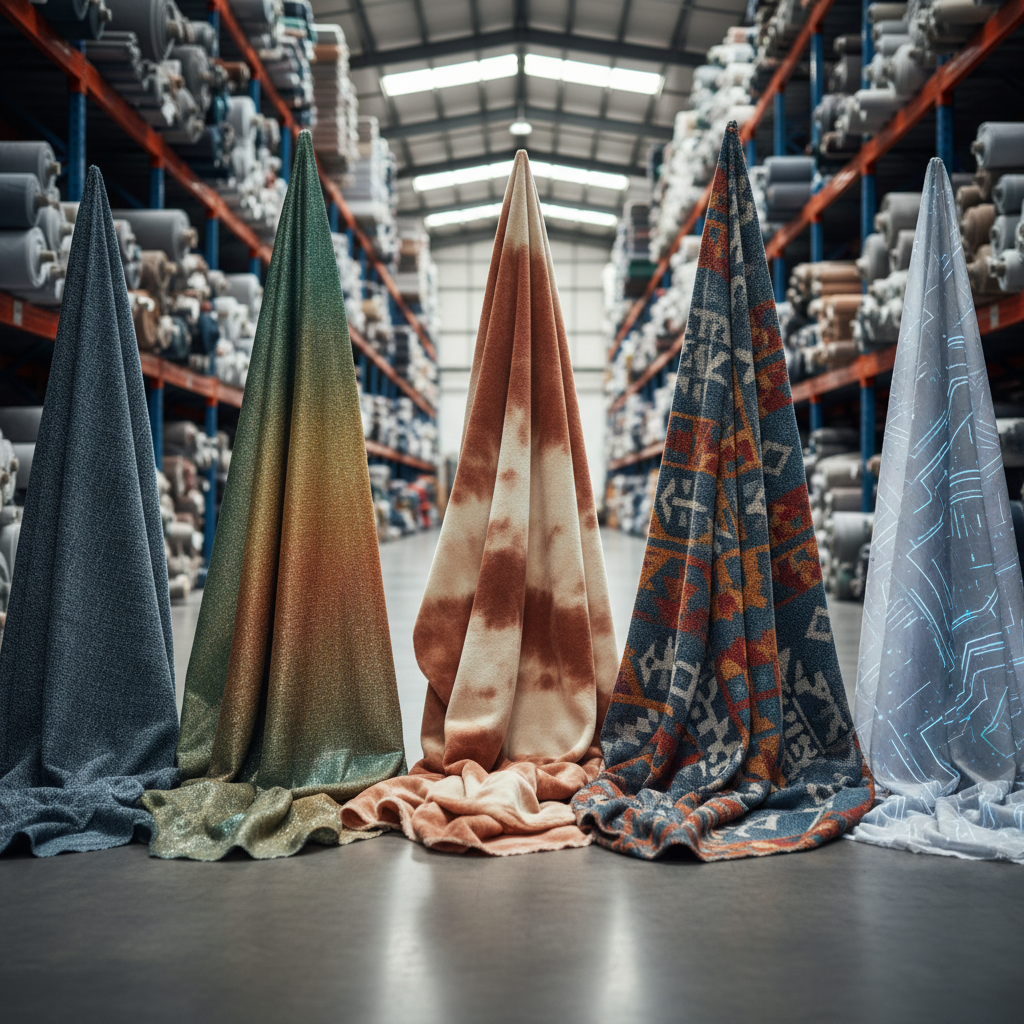
Moreover, the focus on eco-friendly practices is driving consumer demand for transparency and ethical production methods. Companies are not only utilizing recycled materials but also investing in technologies that enhance the quality of their bulk fabrics, ensuring that they meet both aesthetic and functional standards. By sourcing materials from the waste stream and repurposing them, designers are embracing a circular economy, which not only fosters creativity but also promotes environmental responsibility. As we look towards 2025, the textile recycling trend promises to reshape the landscape of bulk fabrics, making it imperative for industry players to adapt and innovate.
Color and Pattern Predictions: The Impact of Consumer Preferences on Bulk Fabric Trends in 2025
As we look towards 2025, the landscape of bulk fabric trends is set to be heavily influenced by evolving consumer preferences. Studies from the global textile market indicate that a significant 62% of consumers prioritize sustainability in their purchasing decisions, driving brands to innovate with eco-friendly materials. Organic cotton and recycled polyester are expected to dominate the market as more companies move towards sustainable practices, aligning with consumer demand for environmentally responsible options.
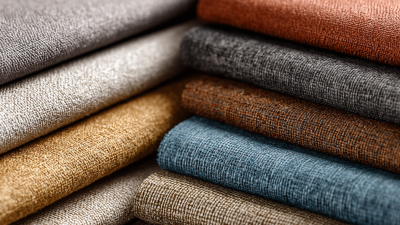
Color and pattern trends are also shifting in response to consumer preferences, showcasing a blend of nostalgia and modern aesthetics. According to the 2023 Color Marketing Group's report, warm earth tones and soft pastels are predicted to be prevalent, reflecting a desire for comfort and tranquility amid a fast-paced world. Additionally, the demand for customizable prints is on the rise, with 45% of consumers indicating they prefer unique patterns that reflect their personal identities. This trend offers manufacturers opportunities to explore innovative printing technologies that cater to individual tastes while maintaining bulk production efficiencies.
2025 Top 5 Bulk Fabric Trends
This bar chart displays the predicted consumer interest percentages for the top 5 bulk fabric trends expected in 2025. Sustainable fabrics lead the way in consumer preference, reflecting a growing demand for eco-friendly materials.