Top 10 Antibacterial Fabric Options for Global Buyers?
As the demand for hygiene and safety rises, the need for Antibacterial Fabric has become increasingly significant. This fabric is specially designed to inhibit the growth of bacteria. It is gaining popularity across various industries, including healthcare, fashion, and home goods. Selecting the right antibacterial fabric can be overwhelming. The options on the market are diverse, each with unique properties.
Antibacterial fabric is essential in creating safer environments. It can minimize the risk of infections and enhance personal well-being. However, not all antibacterial fabrics are created equal. Some may claim to be effective but lack proven results. This uncertainty can lead to challenges for global buyers. They must navigate quality and reliability while considering their specific needs.
In this article, we will explore the top 10 antibacterial fabric options available for global buyers. By examining various materials, features, and certifications, we aim to provide a comprehensive overview. This guide will help buyers make informed decisions. Choosing the right antibacterial fabric is not just a trend; it's a key factor in promoting health and safety in daily life.
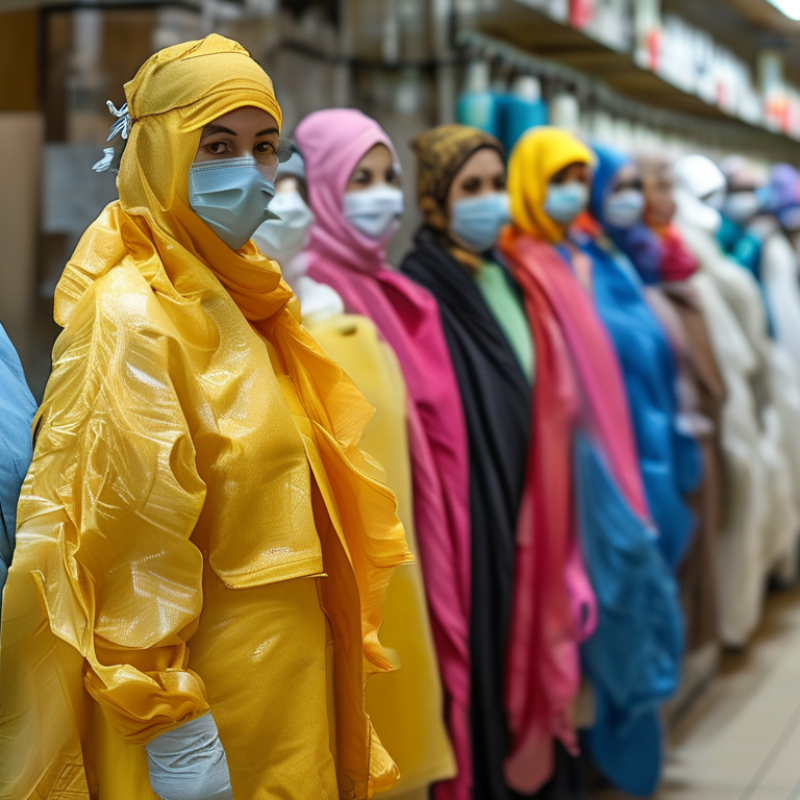
Understanding Antibacterial Fabrics: A Global Perspective
Antibacterial fabrics play a crucial role in enhancing hygiene and safety in various applications. These materials leverage various treatments to inhibit the growth of bacteria. Understanding the science behind these fabrics can be complex. Many options utilize silver ions or natural plant extracts for their antibacterial properties. The effectiveness of these fabrics can vary widely. Consumers need to be aware of the specific treatments used.
In the global market, the need for antimicrobial protection spans multiple industries. Healthcare, fashion, and textiles are key sectors driving demand. However, not all antibacterial treatments are equally effective or durable. Many fabrics may lose their properties over time. This poses a challenge to both manufacturers and consumers. It's essential to choose options based on reliable testing and certification.
While the benefits of antibacterial fabrics are clear, some limitations exist. Not all bacteria are harmful, and overuse of antifungal materials could foster resistance. This highlights the importance of using these fabrics responsibly. A thoughtful approach can help maximize their benefits while minimizing potential drawbacks. Understanding these nuances empowers consumers to make informed choices.
Criteria for Selecting the Best Antibacterial Fabrics
When selecting antibacterial fabrics, several criteria are essential for global buyers. The first criterion involves the fabric's effectiveness against bacteria. Reports indicate that fabrics treated with silver nanoparticles show a 99% reduction in bacterial growth. This characteristic is crucial in healthcare settings, where fabric performance can impact infection control.
Another consideration is the durability of the antibacterial properties. Studies reveal that some treatments diminish after several washes. Fabrics that maintain their effectiveness after 30 or more washes are preferred. Buyers need to verify the longevity of the antibacterial treatment to ensure value over time.
Sustainability is increasingly significant. Fabrics derived from natural sources can reduce environmental impact. Reports highlight the growing demand for eco-friendly textiles, with a 70% increase in interest among consumers. Evaluating sustainability also aligns with current market trends. However, sourcing sustainable options may pose challenges, such as higher costs or availability. It's essential to balance efficacy and environmental considerations for an optimal choice.
Top 10 Antibacterial Fabric Types for Diverse Applications
Antibacterial fabrics are gaining popularity for their effectiveness across various applications. A recent industry report states that the global antibacterial fabric market is projected to reach $8.3 billion by 2025, driven by increased awareness of hygiene. Among these, polyester, treated with antimicrobial agents, is widely used in healthcare settings. Its lightweight nature and durability make it suitable for medical uniforms and bed linens.
Cotton, another common choice, offers breathability and comfort. Research from the Textile Research Journal highlights that cotton treated with silver nanoparticles can reduce bacterial growth by over 90%. This makes it ideal for bedding and apparel, especially in home settings. However, the efficacy of antibacterial properties may diminish after multiple washes, raising questions about long-term reliability.
Some emerging options, like bamboo and hemp fabrics, show promise as sustainable alternatives. Bamboo has natural antibacterial properties, making it popular in undergarments and towels. However, the processing methods can impact environmental sustainability. Fabrics that combine multiple fibers often enhance durability and antibacterial effects, but the complexity of composition can complicate recycling. These factors highlight the continuous need to evaluate the effectiveness and sustainability of antibacterial textiles.
Market Trends and Innovations in Antibacterial Textiles
The market for antibacterial textiles is rapidly evolving. Innovations are driven by increased consumer awareness about hygiene. According to a recent report by Smithers Pira, the global antibacterial textile market is expected to reach $16.7 billion by 2025. This growth is fueled by rising demand in healthcare, activewear, and home furnishings.
Key trends include the integration of silver ions, copper, and natural extracts in fabric production. These materials exhibit excellent antibacterial properties and are environmentally friendly. For example, silver nanoparticles can reduce bacterial growth by up to 99.9%. However, the effectiveness over time raises concerns. Continuous washing may diminish these properties, calling for better durability solutions.
Sustainability is another critical aspect of this market. Many manufacturers are experimenting with bio-based raw materials. These alternatives have less environmental impact compared to traditional synthetic fibers. Yet, the cost-effectiveness of these materials remains a challenge. Industry stakeholders need to balance performance, safety, and environmental responsibility carefully, ensuring the shift does not compromise quality.
Sustainability Considerations in Antibacterial Fabric Production
The production of antibacterial fabrics does not come without its sustainability challenges. Many manufacturers rely on chemical treatments to achieve antibacterial properties. These chemicals can harm the environment if not handled properly. The textile industry is one of the largest polluters globally. This issue needs addressing to create a more sustainable future.
Innovative alternatives are emerging. Natural fibers, for example, offer antibacterial properties without heavy chemical treatments. Materials like hemp and bamboo are gaining attention for their inherent antimicrobial qualities. They require less water and fewer pesticides during cultivation. This presents an opportunity for manufacturers to shift towards eco-friendlier production methods.
However, there's a catch. The cost of sustainable raw materials can be higher. This might discourage some companies from pursuing these options. Educating consumers about the importance of sustainability is crucial. Buyers should consider the environmental impact of their choices. Balancing cost and sustainability may lead to essential industry changes in the long run. The journey toward fully sustainable antibacterial fabrics is ongoing and requires collective effort.