
Top Oral Deep Cleaning Products for Global Buyers

Oral Deep Cleaning is a broad phrase in the oral-care market. For global buyers, it can describe powered toothbrushes, interdental brushes, water flossers, and other daily-use products. These tools may help remove plaque from hard-to-reach areas, but they do not replace professional dental treatment. The distinction matters.

The World Health Organization’s Global Oral Health Status Report (2022) estimates that oral diseases affect nearly 3.5 billion people worldwide. WHO also reports that severe periodontal disease affects about one billion people. These figures show the scale of need, not proof that any single product prevents or treats disease. Buyers should assess product claims carefully.

A practical comparison starts with the user, not the packaging. Consider brush-head access, handle grip, charging needs, replacement-part availability, and clear instructions. A water flosser may suit some users, while interdental brushes may fit others better. Fit varies. Independent testing, transparent specifications, and advice from dental professionals offer stronger grounds for selection than bold marketing language. This guide is not a clinical ranking, and product evidence can vary by model. That limitation deserves attention. For buyers serving different regions, reliable supply and usable instructions matter too. A polished claim on a box is not the same as proven performance.
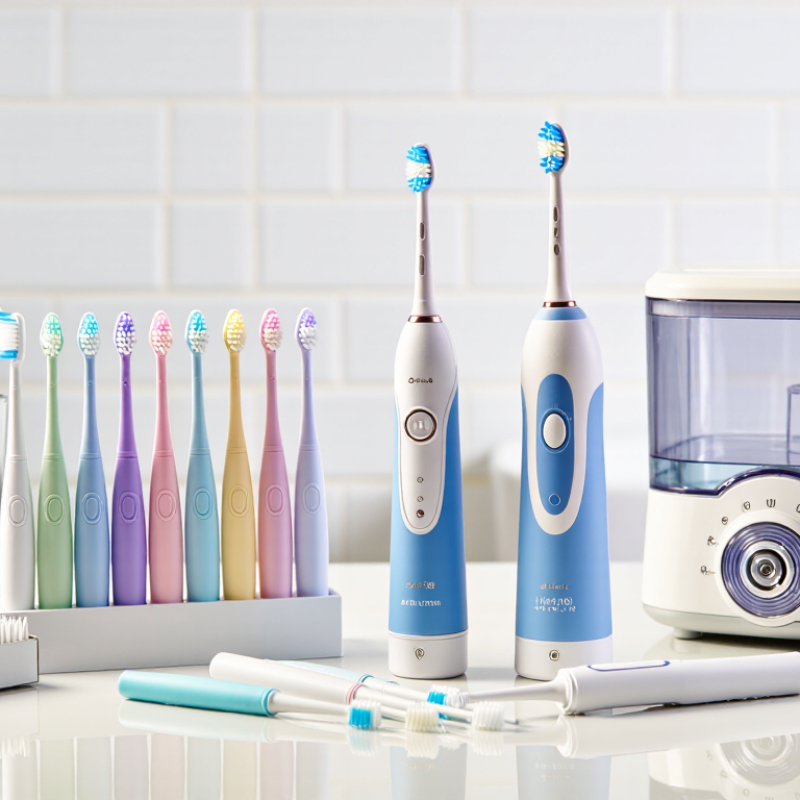
Top Oral Deep Cleaning Products for Global Buyers

What Oral Deep Cleaning Products Are and How They Work

Oral deep cleaning products are home-care tools designed to reach plaque-prone areas that brushing may miss. Common options include powered toothbrushes, interdental brushes, water flossers, and tongue cleaners. Each works differently, but the shared aim is to disrupt soft plaque and remove trapped food. Plaque is a sticky bacterial film. Small gaps matter.

A water flosser sends a pulsing stream between teeth and along the gumline, helping loosen debris. Interdental brushes use small bristles to clean wider spaces, while dental floss can fit tighter contacts. Choose a brush size that slides gently; forcing it may irritate the gums. A powered toothbrush can provide consistent movement, but careful coverage still matters. Slow passes near the gumline often work better than hard scrubbing.

These products do not reliably remove hardened tartar, which may need professional assessment and cleaning. That distinction is easy to overlook. Technique, tooth spacing, dental restorations, and gum sensitivity can all affect what feels comfortable. Some people prefer a water flosser; others find string floss easier to use consistently. No tool suits everyone, and an expensive device can sit unused. Follow product instructions, and seek advice from a dentist or hygienist if bleeding persists or cleaning causes pain.

Main Types of Deep Cleaning Products Available Worldwide

Deep cleaning products cover several tools, each aimed at a different part of the mouth. Interdental brushes clean between teeth, where a toothbrush may not reach. Their small bristles come in different sizes, so a gentle fit matters more than force. Dental floss is useful for tight contacts and can be easier to carry. Small spaces matter.

Water flossers use a directed stream to rinse around gumlines, braces, and dental work. They may suit people who find string floss difficult, though technique still matters. Tongue scrapers help remove surface coating from the tongue; light pressure is enough. Toothpastes for plaque control and mouth rinses can support daily care, but their ingredients and directions vary by market. Water is not magic.

For global buyers, compare brush-head sizes, replacement-part availability, clear ingredient labels, and instructions in a language users understand. The category name can sound more clinical than it is: home products support hygiene, but they do not replace professional assessment or in-office scaling when needed. A tool that feels awkward may end up unused. Fit matters most. When gum bleeding, pain, or persistent bad breath occurs, seek advice from a dental professional rather than adding stronger products.

Key Ingredients and Features to Compare Across Products

When comparing oral deep-cleaning products, separate ingredients from delivery features. Fluoride supports enamel, but concentration and permitted claims can vary by market. Check the local-language label and serving directions. Stannous fluoride may help control plaque and sensitivity, while zinc compounds can target breath odor. Effects depend on regular use, not a dramatic first rinse. Short ingredient lists are not automatically better.

For rinses, compare alcohol content, active ingredients, and whether the formula is intended for daily use. A strong taste is not proof of stronger cleaning. For brushes and water flossers, examine bristle softness, pressure settings, replaceable tips, and access to customer support. A narrow nozzle can reach around crowded teeth, but technique still matters. Try a comfortable setting first. Packaging also deserves scrutiny: clear dosage markings and a sealed cap help buyers assess use and storage. Deep-cleaning products do not remove hardened deposits like professional scaling can. That distinction is easy to miss. Buyers should compare evidence-based claims with their own oral-care needs and ask a dental professional about persistent bleeding or discomfort.

Top Oral Deep Cleaning Products for Global Buyers — Key Ingredients and Features to Compare Across Products

Product Type Key Ingredients or Materials Main Cleaning Function Features to Compare Buyer Considerations
Fluoride toothpaste Sodium fluoride or sodium monofluorophosphate; hydrated silica or calcium-based abrasives; humectants and surfactants Helps prevent tooth decay; brushing removes plaque and food debris from tooth surfaces. Fluoride type and concentration, abrasivity, flavor, foaming level, sensitivity claims, tube size, and packaging format Many adult toothpastes contain about 1,000–1,500 ppm fluoride, but permitted levels and labeling rules vary by market. Check local requirements and age directions.
Stannous fluoride toothpaste Stannous fluoride, often in a stabilized formula; commonly paired with silica abrasives and flavoring agents Provides fluoride for cavity prevention; stannous fluoride can also help reduce plaque, gingivitis, and dentin sensitivity when used as directed. Fluoride concentration, formula stability, staining-control formulation, flavor, sensitivity positioning, and evidence supporting claims Formulations differ, and some users may notice taste changes or surface staining. Compare the finished formula rather than relying on the ingredient name alone.
Antiplaque mouth rinse Cetylpyridinium chloride (CPC) in some formulas; other formulas may use essential oils. Some products also contain fluoride. Can provide an adjunct to brushing and interdental cleaning; fluoride rinses can provide additional topical fluoride. Active ingredient, concentration, alcohol-free option, fluoride content, flavor, bottle size, measuring cap, and directions for use Formulas and approved claims vary by country. A rinse does not replace brushing or cleaning between teeth.
Chlorhexidine mouth rinse Chlorhexidine gluconate, commonly supplied in market-specific concentrations such as 0.12% or 0.2% Antiseptic rinse generally used for a limited period when recommended by a dental professional. Concentration, intended-use directions, dispensing format, tamper evidence, and market authorization Not usually intended for indefinite routine use. It may cause temporary staining, taste alteration, or increased tartar formation; follow professional advice and local labeling.
Interdental brushes Nylon filaments with a coated or uncoated wire core; plastic handle or holder Removes plaque and debris from spaces between teeth and around some dental appliances. Brush diameter, size range, wire coating, filament softness, handle length, cap or refill design, and size identification Offer several sizes where possible. The brush should fit comfortably without being forced; size selection may require dental guidance.
Dental floss or tape Nylon or expanded polytetrafluoroethylene (PTFE); may be waxed, flavored, or coated Cleans contact areas and narrow spaces between teeth that a toothbrush may not reach well. Material, width, glide, shred resistance, coating, dispenser design, and floss length Suitability depends on tooth spacing and user dexterity. Check material declarations and any applicable local requirements.
Oral irrigator (water flosser) Device with a water reservoir, pump, and replaceable tip; typically used with water Uses a directed stream of fluid to flush debris and support cleaning around the gumline, between teeth, and around some appliances. Pressure settings, reservoir capacity, tip compatibility, cordless or countertop design, voltage, battery type, and cleaning instructions Compare electrical safety, plug and voltage options, spare-tip availability, and market-specific product certifications. It complements rather than replaces toothbrushing.
Powered toothbrush Brush head with soft bristles and a powered handle; common motion types include oscillating-rotating and sonic Helps remove plaque from tooth surfaces when used with an appropriate brushing technique. Bristle softness, head availability, timer, pressure sensor, battery or charging system, replacement-head cost, and water resistance Compare charger compatibility, electrical and battery requirements, replacement-part supply, and user instructions for each destination market.

Comparison note: Ingredient lists, concentrations, product classifications, and permitted oral-health claims differ across markets. Verify the finished product’s labeling, safety documentation, and local regulatory requirements before purchase or distribution.

How to Choose Products for Different Oral Care Needs

Choosing oral deep-cleaning products starts with the person, not the shelf. A soft-bristled toothbrush and fluoride toothpaste suit many adults. Choose a brush head that reaches the back teeth comfortably. Small details matter. A handle that feels secure with wet hands may be used more consistently than a feature-heavy design.

Spaces between teeth need individual attention. Tight contacts may call for floss, while wider gaps, bridges, or orthodontic wires may be easier to clean with correctly sized interdental brushes. A water flosser can help people who find string floss difficult, but it does not replace brushing or professional advice. Not every tool fits. If a brush bends or causes soreness, stop and reconsider its size and technique rather than pressing harder.

People with gum bleeding, sensitivity, implants, or recent dental treatment should ask a dental professional before adding abrasive powders or strong rinses. A tongue scraper is optional; gentle strokes are enough. Check ingredient lists, directions, and packaging clarity when buying across countries. Be cautious of claims that a product removes all buildup: hardened tartar usually needs professional care. Product comparisons are imperfect, since comfort and control are hard to judge from a listing. Try one suitable tool at a time and keep what you can use consistently.

Top Oral Deep Cleaning Products for Global Buyers

How to Choose Products for Different Oral Care Needs

The chart shows typical weekly routine frequency based on general ADA guidance: brush twice daily and clean between teeth once daily. Floss, interdental brushes, and water flossers are options for between-teeth cleaning; choose the option suited to individual needs and dental advice. Actual product directions may vary.

Safe Use, Limitations, and Professional Dental Guidance

Top Oral Deep Cleaning Products for Global Buyers

Safe Use, Limitations, and Professional Dental Guidance

Products described as “deep cleaning” tools can support daily care, but they do not replace professional scaling. A soft-bristled toothbrush, fluoride toothpaste, and floss or correctly sized interdental brushes are practical basics. A water flosser may help clear food from braces or hard-to-reach spaces. It does not remove hardened tartar. That matters.

Use powered brushes and oral irrigators as directed, with gentle pressure. Pushing a scraping tool along the gumline can cause bleeding or injury, especially if visibility is poor. Home ultrasonic scalers and sharp picks are not reliable substitutes for dental care. They may damage gums, restorations, or exposed root surfaces. Not a cure.

Bleeding gums, persistent bad breath, loose teeth, or swelling warrant a dental assessment. A hygienist can check whether deposits are present and choose a safe cleaning method, particularly around implants or crowns. People taking blood-thinning medication or managing gum disease should ask their clinician before changing their routine. The awkward reality is that even useful products are easy to misuse when instructions feel unclear. Start gently, stop if pain occurs, and bring the device or its instructions to a dental appointment for practical guidance.