Top 10 Fabric Outlets in China for Global Buyers?
China is a vibrant hub for fabric and textiles, attracting global buyers seeking quality and variety. The country boasts numerous fabric outlets, each offering unique materials and competitive prices. Navigating this diverse landscape can be overwhelming. It's essential to understand where to find the best deals and selections.
These fabric outlets are not just stores; they are gateways to the world of textiles. Buyers can discover everything from silk to cotton and innovative blends. Some outlets are renowned for specific fabrics, while others might surprise you with their hidden gems.
In your quest for the ideal fabric outlet, consider factors like location, pricing, and fabric quality. Highlights in the selection may vary. While many outlets offer incredible choices, not all will meet your standards. It's vital to evaluate the quality before making a purchase. Your exploration of China’s top fabric outlets can lead you to the perfect material for your needs.
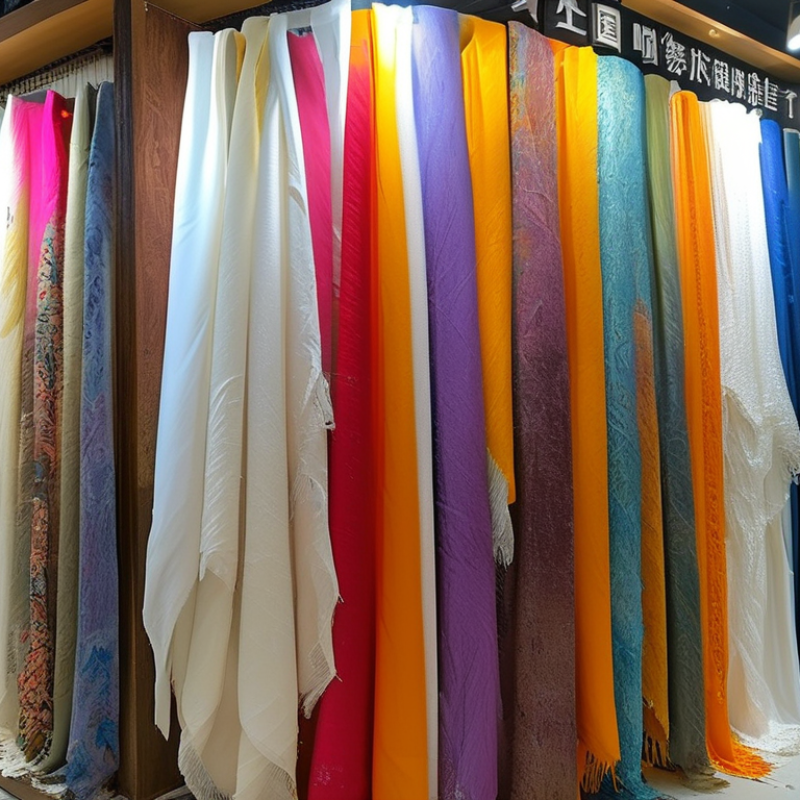
Overview of Fabric Outlets in China for International Buyers
Exploring fabric outlets in China can be a rewarding experience for global buyers. These markets offer a vast array of choices, from luxurious silks to durable cottons. However, navigating these options can be challenging. Understanding the local culture and shopping practices is critical for a successful visit.
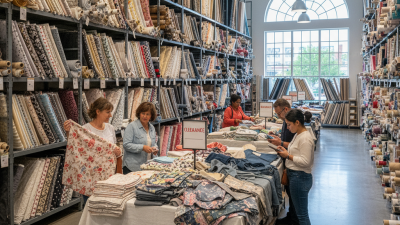
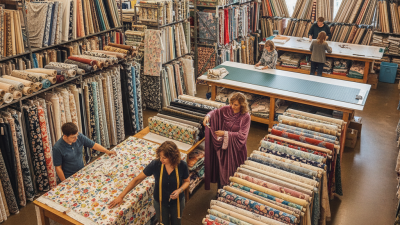
When you enter a fabric outlet, be prepared for vibrant colors and textures. Many outlets are sprawling, making it easy to get lost. Taking notes and photographs can help you keep track of your favorites. It's normal to feel overwhelmed. However, patience often leads to discovering unique materials not found elsewhere.
Negotiation is common in fabric markets, so don't hesitate to ask for a better price. Sometimes, sellers may not display their best offers upfront. Always check the fabric quality closely. Not all fabrics may meet your expectations. If you are unsure, ask for samples before making a bulk purchase. Test the fabric's texture and weight to ensure it aligns with your needs.
Key Factors to Consider When Choosing Fabric Outlets
When selecting fabric outlets in China, buyers should prioritize quality. The material’s durability and texture are crucial. Conducting thorough inspections is essential. Always request swatches before making large purchases. These small samples can reveal much about the fabric’s characteristics.
Pricing is another critical factor. Different outlets may offer varying prices for similar fabrics. Take time to compare costs. Keep in mind that the cheapest option may not always deliver the best quality. A balance between price and quality is vital.
Consider the outlet's shipping options as well. Timely delivery can impact your business operations. Research shipment times and costs in advance. Be aware that communication barriers may arise. Establishing a reliable line of communication can aid in resolving potential misunderstandings. This helps ensure a smooth buying experience.
Top 10 Fabric Outlets in China for Global Buyers
This chart illustrates the Fabric Variety Index of the top 10 fabric outlets in China, providing global buyers an overview of the diversity available at each outlet. A higher index indicates a greater variety of fabrics offered, which is crucial for global sourcing decisions.
Top Cities in China Known for Fabric Outlets
In China, fabric outlets are abundant in several key cities, attracting global buyers. Guangzhou, known for its vast textile market, is a hub for fabric wholesalers. Reports indicate that the city contributes significantly to the country's textile exports, with a value reaching over $30 billion in 2022. This vibrant industry showcases a wide range of materials, including cotton, silk, and synthetics. Buyers here can find everything from high-end fabrics to budget-friendly options.
Another significant city is Shaoxing. It is one of the largest textile manufacturing regions worldwide, with around 400 textile businesses. The city produces a staggering 80% of China’s printing and dyeing fabrics. This concentration leads to competitive pricing, attracting international orders. Buyers often enjoy direct access to manufacturers, which can streamline the buying process.
In addition to these cities, Hangzhou is renowned for its silk production. The rich history of silk in this region offers buyers authentic, high-quality options. However, navigating these outlets can be complex. The sheer volume of choices can overwhelm buyers. Understanding local trading practices is crucial for success. Improper negotiation strategies may lead to misunderstandings, showing there's always room for improvement in sourcing practices.
Highlighted Features of Each Top Fabric Outlet
When it comes to sourcing fabric in China, several outlets stand out for their variety and quality. Each offers unique features that cater to global buyers. Some have vast showrooms filled with a range of textiles, while others focus on specific types. Visiting these outlets can be overwhelming, with countless options available. However, careful selection is crucial to finding the right fabric for your needs.
One outlet may excel in high-quality silk, showcasing a colorful array of patterns. Another may specialize in eco-friendly fabrics, appealing to buyers focused on sustainability. The negotiation culture in these markets can be tricky. Understanding local customs is essential for successful deals. Not all fabrics live up to their descriptions, so quality checks are vital before making a purchase.
Buyers often report best experiences when they build relationships with vendors. Trust takes time, and inconsistent communication can lead to misunderstandings. Some outlets may have limited English speakers, which can create barriers. Learning a few phrases in Mandarin can significantly enhance your experience. Overall, while the variety of fabric outlets is impressive, buyers must approach with caution and preparation.
Tips for Navigating Chinese Fabric Markets as a Global Buyer
Navigating fabric markets in China can be daunting yet rewarding for global buyers. Familiarizing yourself with local customs and practices is crucial. Engage with local sellers respectfully and learn a few basic phrases in Mandarin. This can facilitate smoother negotiations and foster trust. It's important to show genuine interest in their products and craftsmanship.
Authenticity is key. Inspect samples carefully before placing large orders. Quality varies, and not every vendor holds the same standards. Consider visiting several outlets to compare fabrics and negotiate prices. Ensure to ask about return policies and shipping options to avoid unpleasant surprises after your purchase. Markets can be overwhelming, so take breaks and keep notes of your experiences.
Keep in mind that communication barriers may lead to misunderstandings. Be patient and clear about your needs. It’s okay to ask questions repeatedly. Use visuals, if necessary, to convey your requirements effectively. Embrace the learning curve while remaining adaptable to the fast-paced environment. Each visit enriches your understanding of textiles and local culture.
Top 10 Fabric Outlets in China for Global Buyers
| Outlet Location |
Fabric Types Available |
Average Price (per meter) |
Opening Hours |
Special Features |
| Guangzhou Fabric Market |
Silk, Cotton, Polyester |
$5 - $15 |
9 AM - 6 PM |
Large variety, Custom services |
| Shaoxing China Light Textile City |
Woven, Knitted Fabrics |
$3 - $12 |
8 AM - 5 PM |
One of the largest textile markets |
| Hangzhou Fabric Market |
Silk, Linen, Velvet |
$6 - $20 |
9 AM - 6 PM |
Known for high-quality silk |
| Shenzhen Fabric Market |
Denim, Cotton, Synthetics |
$4 - $14 |
10 AM - 7 PM |
Fashion trends, Modern styles |
| Zhejiang Yiwu International Trade City |
Satin, Organza, Tulle |
$5 - $18 |
9 AM - 6 PM |
Multi-category market |
| Shanghai Fabric Market |
Wool, Cashmere, Synthetics |
$8 - $25 |
9 AM - 5 PM |
High-end fabrics available |
| Nanjing Fabric Market |
Cotton, Blends, Embroidered Fabrics |
$5 - $15 |
9 AM - 6 PM |
Custom design services |
| Wenzhou Fabric Market |
Linen, Silk, Prints |
$4 - $12 |
10 AM - 5 PM |
Variety of prints available |
| Fuzhou Fabric Market |
Cotton, Leather, Synthetic Blends |
$3 - $10 |
9 AM - 5 PM |
Local artisan collections |
| Dalian Fabric Market |
Wool, Synthetics, Drapery |
$6 - $20 |
9 AM - 7 PM |
Specialized fabric sections |