10 Best Faux Leather Fabric Suppliers for Global Buyers

Choosing the right faux leather fabric supplier can shape product quality, cost, and delivery performance. Global buyers often compare suppliers by material consistency, production capacity, customization options, and export experience. A smooth showroom sample is useful, but it does not reveal everything.

This guide reviews ten leading suppliers for international purchasing teams. It focuses on practical details, including fabric thickness, backing strength, surface texture, abrasion resistance, colorfastness, minimum order quantities, and typical lead times. Buyers can also consider whether suppliers provide technical data sheets, sample books, factory audits, and responsive after-sales support. These details matter when materials are used for sofas, handbags, automotive interiors, footwear, or hospitality furniture.

Small differences matter.

A reliable supplier should explain how the material is produced and tested. Independent inspection may also help confirm roll length, shade consistency, and packaging quality before shipment. Certifications can support responsible sourcing, but buyers should verify their scope, validity, and issuing organizations. Claims should not be accepted without evidence.

No supplier fits every market.

Pricing, shipping routes, local regulations, and performance requirements can change the final decision. Some suppliers may offer attractive customization but require higher order volumes. Others may provide faster sampling but limited color development. This ranking is therefore a practical starting point, not a permanent verdict. Product specifications and supplier capabilities can change over time. Buyers should request current samples, written quotations, test reports, and clear commercial terms before placing an order. A careful comparison can reduce costly surprises and support more dependable global sourcing.
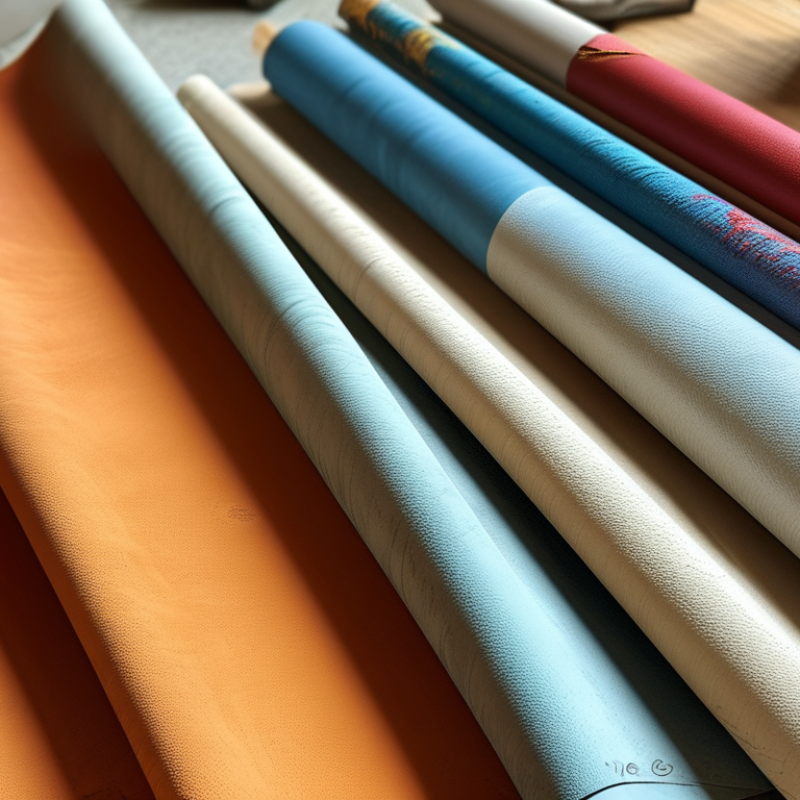
10 Best Faux Leather Fabric Suppliers for Global Buyers

What Faux Leather Fabric Is and Why Global Buyers Choose It

Faux leather fabric is a textile base covered with a synthetic polymer layer. Most commercial options use polyurethane (PU) or polyvinyl chloride (PVC). The backing may contain polyester, cotton, or blended fibers. This structure creates a surface that resembles animal leather without using animal hide.

Global buyers choose faux leather for practical reasons. It offers consistent color, flexible thickness, and easier production planning. Upholstery manufacturers may select a soft PU surface for sofas, bags, or footwear. PVC can provide stronger moisture resistance for seats and commercial interiors. However, performance depends on formulation and workmanship, not only the material name. A low-cost fabric may peel after repeated bending.

Experienced buyers request measurable samples before placing large orders. Useful checks include abrasion resistance, seam strength, colorfastness, hydrolysis resistance, and surface adhesion. The backing should also match the product’s stitching and forming process. For international trade, suppliers should provide clear composition details and relevant test documents. Requirements differ by destination market, so compliance claims need careful verification.

Faux leather is not maintenance-free. Heat, harsh cleaners, and constant sunlight can shorten its service life. I have seen attractive samples fail because the coating was too thin or poorly bonded. That mistake is easy to miss during a quick inspection. Buyers should test finished items, not just flat swatches. A fabric that feels excellent on day one may still need improvement.

Key Criteria for Evaluating Faux Leather Fabric Suppliers

Choosing a faux leather fabric supplier requires more than comparing online prices. In practice, material consistency often separates a dependable mill from a risky purchase.

Request samples showing grain, backing, thickness, width, and color under daylight. Touch the surface after bending it repeatedly. Small cracks can appear quickly.

Ask for technical data, including abrasion results, hydrolysis resistance, tensile strength, and coating composition. These figures should identify test methods, not merely display impressive numbers.

Supplier evaluation also depends on production control. Ask how incoming materials are checked and how color batches are recorded. A reliable team should explain inspection points clearly, from coating to final winding.

Request recent test reports and, when possible, an independent laboratory review. Paperwork is useful, but physical evidence matters more.

Check capacity against your order size, minimum quantities, sample fees, lead times, and replacement procedures. A supplier that answers slowly may create costly delays later.

Review restricted-substance controls, worker safety practices, waste handling, and destination-market documentation. Certifications can support credibility, yet certificates alone do not prove daily consistency.

I once treated a polished sample as sufficient evidence; that judgment was too quick. Pilot rolls and wash tests revealed issues hidden by a small swatch. Leave room for honest doubts.

Top Faux Leather Fabric Suppliers for International Sourcing

International buyers need faux leather fabric suppliers that can support consistent quality, clear communication, and reliable export processes. Experienced suppliers should provide technical data, material samples, production capacity, and transparent lead times. Request samples before placing large orders. Check surface grain, backing strength, thickness, color stability, and odor.

A dependable supplier should explain polyurethane or PVC compositions, testing methods, and care requirements in plain language. Ask for reports covering abrasion resistance, flex durability, colorfastness, and restricted substances. Documentation matters. Verify packing details, minimum order quantities, payment terms, and shipping responsibilities before production begins. Small details can prevent expensive delays.

However, no supplier is perfect. A sample may perform well while bulk fabric varies slightly. This risk deserves attention. Discuss inspection procedures and acceptable tolerances early. Suppliers serving global buyers should also understand destination-market requirements and provide consistent export documents. Video factory inspections can add useful evidence, but they cannot replace physical testing. Compare several suppliers using the same checklist, not attractive prices alone. A lower quote may hide weaker backing, slower communication, or higher replacement costs.

10 Best Faux Leather Fabric Suppliers for Global Buyers - Top Faux Leather Fabric Suppliers for International Sourcing

Rank Supplier Profile Primary Sourcing Market Common Faux Leather Type Typical Width Typical Thickness Backing Options Indicative MOQ Common Applications International Buyer Considerations
1 Supplier Profile A East Asia PVC leather with textile backing 137–140 cm 0.60–1.20 mm Polyester, cotton, knitted fabric 300–1,000 meters per color Furniture, bags, upholstery, accessories Confirm REACH, RoHS, colorfastness, and restricted-substance documentation.
2 Supplier Profile B East Asia PU synthetic leather 137–142 cm 0.50–1.00 mm Microfiber, polyester, suede-like fabric 500–1,500 meters per color Footwear, handbags, garments, small leather goods Request hydrolysis resistance, peel strength, and flexing test results.
3 Supplier Profile C South Asia PU leather with woven backing 140–150 cm 0.70–1.30 mm Cotton, polyester, blended textile 500–2,000 meters per design Shoes, travel goods, wallets, upholstery Check production consistency, shade matching, and export packing standards.
4 Supplier Profile D Southeast Asia Automotive-grade PVC or PU leather 140–160 cm 0.90–1.50 mm Knitted polyester, nonwoven fabric 1,000–3,000 meters per specification Vehicle seats, marine seating, contract furniture Ask for abrasion, UV, flame, cold-crack, and fogging test data.
5 Supplier Profile E Europe Premium PU leather 140–150 cm 0.80–1.20 mm Microfiber, recycled polyester 100–500 meters per color Fashion goods, premium furniture, interior products Suitable for buyers needing traceability, technical files, and EU compliance support.
6 Supplier Profile F North America Contract-grade vinyl leather 137–152 cm 0.90–1.40 mm Polyester, rayon, cotton blends 250–1,000 meters per color Healthcare, hospitality, office, and institutional seating Verify antimicrobial claims, cleanability, flame standards, and seam performance.
7 Supplier Profile G East Asia Water-based or solvent-reduced PU leather 137–145 cm 0.60–1.10 mm Recycled polyester, microfiber 300–1,000 meters per color Eco-positioned bags, footwear, accessories, furniture Request recycled-content evidence and distinguish marketing claims from certifications.
8 Supplier Profile H South America PVC upholstery leather 140–150 cm 0.80–1.40 mm Polyester and knitted fabric 500–2,000 meters per color Residential furniture, restaurant seating, automotive interiors Compare landed cost, port access, lead time, and local testing capabilities.
9 Supplier Profile I Middle East and Mediterranean region Decorative PU and PVC leather 140–160 cm 0.70–1.30 mm Woven polyester, cotton blends 300–1,500 meters per design Decorative panels, seating, handbags, hospitality interiors Evaluate heat resistance, finish durability, and delivery routes to the destination market.
10 Supplier Profile J Global trading and converting network Mixed PU, PVC, and microfiber ranges 137–160 cm 0.50–1.50 mm Polyester, cotton, microfiber, nonwoven fabric 50–300 meters per stock color Sampling, product development, small-batch manufacturing Useful for test orders; confirm whether stock goods are factory-direct or sourced through intermediaries.

Note: Specifications and minimum order quantities are indicative industry ranges for international sourcing. Buyers should confirm current technical data, certifications, testing reports, production capacity, pricing, and delivery terms directly before placing an order.

How to Compare Quality, Pricing, Certifications, and Minimum Orders

10 Best Faux Leather Fabric Suppliers for Global Buyers

Reliable comparison starts with the material, not the catalogue photograph. Request samples from every supplier and inspect grain consistency, backing strength, thickness, and surface cracking. Rub the fabric with a damp white cloth. Check color transfer and odor. Ask for abrasion results, tensile data, and production tolerances. A confident supplier should explain test methods clearly and provide dated documents. However, sample quality can exceed mass production quality, so request a pre-production approval sample.

Pricing needs a wider view. Compare the fabric price, sample fees, packaging, freight, payment terms, and possible inspection costs. Ask whether quotes use square meters, yards, or rolls. Certification claims deserve careful checking. Confirm the certificate holder, testing laboratory, material scope, and expiry date. Requirements differ by destination and product use. Minimum orders also matter. A low unit price may become expensive if the supplier requires several thousand meters. Smaller trial orders can reveal defects before serious commitment.

Tips: Build a simple comparison sheet with quality scores, landed cost, certificates, lead time, and MOQ. Keep written records of every promise. Ask for three references or recent production evidence when available. Do not rely on perfect photos. Real fabric may show minor shade variation, and that risk deserves discussion. A supplier that admits limitations may be more dependable than one offering effortless perfection.

10 Best Faux Leather Fabric Suppliers for Global Buyers

Buyer-side evaluation priorities for comparing faux leather suppliers by quality, pricing, certifications, and minimum orders.

The percentages represent practical sourcing weights rather than data from any specific company. Quality includes abrasion resistance, hydrolysis performance, thickness consistency, and surface finish. Pricing should be evaluated together with material composition and total landed cost, while certifications and minimum orders should be verified against the buyer’s destination market and purchase volume.

Steps for Selecting and Verifying the Right Global Supplier

Selecting a faux leather fabric supplier requires more than comparing catalog photos and unit prices. Define the intended use first: upholstery, footwear, bags, or automotive interiors. Each application needs different resistance levels. Record thickness, backing type, width, grain pattern, color tolerance, and expected monthly volume.

Request physical samples from several suppliers. Examine the surface under bright light. Check peeling, odor, stitching performance, and color consistency after bending. Ask for test data covering abrasion, tensile strength, hydrolysis, lightfastness, and restricted substances. A reliable supplier should explain test methods, laboratory dates, and sample conditions clearly. Vague certificates deserve closer inspection.

Verify production capacity through a video call or an independent factory audit. Compare the sample with the mass-production specification, not only the quotation. Ask about raw material traceability, quality checkpoints, packaging, lead times, and rejected-roll handling. Confirm the legal company name, export experience, payment terms, and shipping responsibilities through documented records. Start with a small trial order when possible. It exposes weak communication early.

Do not trust perfect promises. I once treated a polished sample as proof of stable production, which was a poor assumption. Seasonal color variation, delayed backing fabric, and unclear inspection standards can still disrupt delivery. Keep written approval records, retain reference samples, and schedule pre-shipment inspection before releasing the balance. Small gaps matter.