Top 10 Leather Upholstery Options for Global Buyers?
In the world of interior design, leather upholstery stands out for its elegance and durability. Renowned expert John Smith, a leader in the upholstery industry, once remarked, "The right leather upholstery transforms a space, adding both comfort and sophistication." His insight underscores the importance of selecting the right materials.
Global buyers seek diverse options to suit various tastes and preferences. Leather upholstery is available in multiple types, each offering unique textures and finishes. Genuine leather is prized for its longevity, while synthetic alternatives provide affordability and easy maintenance. Understanding these options is essential for making informed choices.
Despite its benefits, selecting leather upholstery requires careful consideration. The variety can lead to confusion, and sometimes buyers may overlook quality in favor of cost. Not every leather type is created equal. In a pursuit for the perfect piece, buyers often grapple with balancing aesthetics and practicality. This journey can reveal much about individual style and priorities.
Types of Leather: An Overview for Upholstery Selection
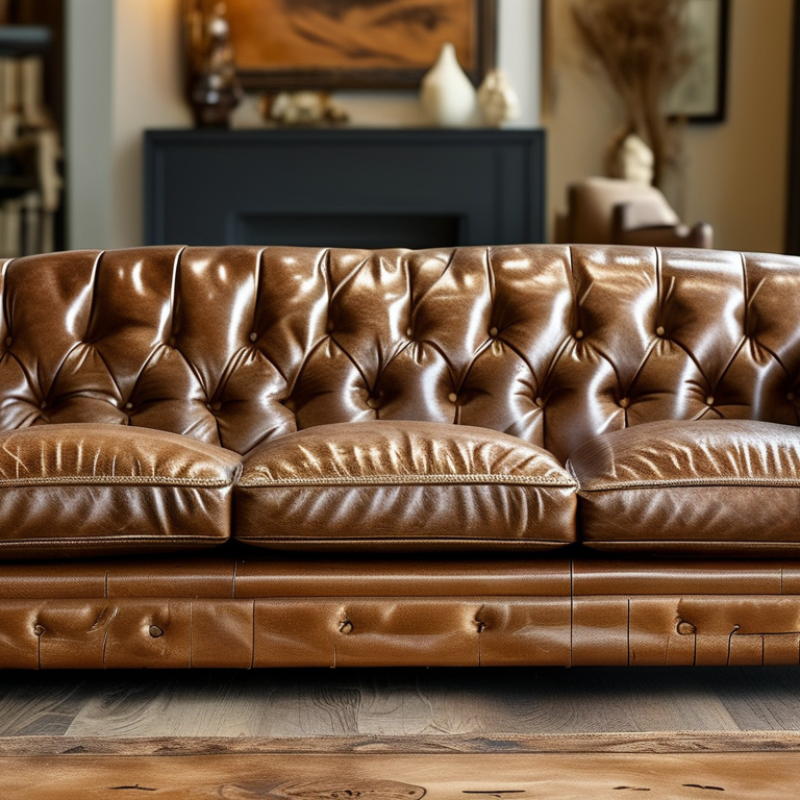
When selecting leather upholstery, understanding the types of leather is crucial. There are various grades, each with distinct characteristics. Full-grain leather is the highest quality. It retains the natural grain, making it durable and breathable. Its unique imperfections can add charm. However, this option can be costly and may require special care.
Top-grain leather is another popular choice. It undergoes sanding and finishing, offering a more uniform look. It is softer than full-grain leather, making it comfortable for everyday use. But this process can lead to a less natural feel. Split leather, often used in lower-end products, comes from the lower layers. It is less durable but still offers a stylish appearance.
Each type has advantages and drawbacks. It’s important to consider your specific needs and budget. Some may prefer the rustic look of full-grain leather, while others might opt for the sleek appearance of top-grain. Reflecting on personal preferences can guide you in making the right choice for your upholstery project.
Factors to Consider When Choosing Leather Upholstery
When choosing leather upholstery, several factors come into play. The type of leather significantly impacts durability and aesthetics. Full-grain leather boasts natural textures. It ages beautifully but can be pricier. Split leather, while more affordable, may not last as long. Understanding these differences is crucial for making an informed choice.
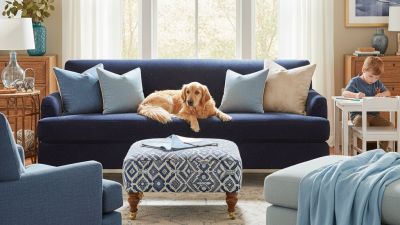
The color and finish are equally important. Darker colors hide stains well, while lighter shades can brighten a room. However, they may require more maintenance. Beyond appearance, consider your lifestyle. Families with pets or children might lean towards more resilient options. Leather can be sensitive to heat and moisture, so placement in sunny areas could lead to fading. It’s essential to weigh these practicalities against your desired look.
Finally, the sourcing of leather matters for ethical reasons. Many buyers are concerned about how animals are treated. Knowing where the leather comes from can enhance the product’s reliability. Not all suppliers adhere to ethical practices, which can impact your choice. It’s okay to have second thoughts; the right leather upholstery should meet both your aesthetic and ethical standards.
Top Leather Suppliers and Brands for Global Markets
In recent years, the demand for leather upholstery has surged globally. Reports indicate that the leather market is expected to reach over $400 billion by 2026. This growth presents significant opportunities for suppliers aiming to capture diverse market segments. Various factors drive this demand, such as the increasing popularity of environmentally friendly materials and the rise of luxury furniture.
When selecting a leather supplier, buyers should consider the quality and sustainability of the materials. Most suppliers today focus on eco-friendly tanning processes. According to the Leather Working Group, more than 75% of tanneries are now engaged in sustainable practices. However, challenges remain. Not all suppliers adhere to these standards, and the lack of consistent regulations can lead to variability in product quality.
Additionally, buyers should take into account regional preferences. Markets in Asia display a growing affinity for exotic leathers, while European buyers often prefer classic, durable options. It’s essential to tailor selections based on regional demands. This approach not only enhances customer satisfaction but also fosters long-term relationships with suppliers. Reflecting on these nuances is vital for navigating the complex landscape of leather upholstery.
Maintaining and Caring for Leather Upholstery
Caring for leather upholstery is essential for longevity and appearance. Regular maintenance can help retain the natural beauty of leather. Start by dusting surfaces weekly with a soft cloth. This prevents dirt and dust buildup that can damage the leather over time.
Occasional conditioning is necessary. Use a quality leather conditioner every 6 to 12 months. This prevents the material from drying out and cracking. Focus on areas that experience frequent use, like seating surfaces. Applying a small, even layer preserves its suppleness. Consider testing any product in a hidden spot first. It's a cautious step that ensures no discoloration occurs.
Stains and spills should be addressed immediately. Blot spills with a clean, dry cloth. Don't rub, as this can spread the stain. For tougher stains, a solution of mild soap and water may help. Always follow up with conditioning afterward. Being proactive and attentive to details provides a distinct advantage. Recognizing wear and tear early can prevent more extensive damage later on. Embrace the process of caring for your leather furniture; it can be a rewarding endeavor.
Top 10 Leather Upholstery Options for Global Buyers
This chart displays the popularity ratings of the top 10 leather upholstery options available globally. Ratings are based on a scale of 1 to 10, representing the overall preference among buyers.
Trends in Leather Upholstery Styles Across Different Regions
Across the globe, leather upholstery styles reflect diverse cultural influences and consumer preferences. In North America, there is a rising demand for eco-friendly leather alternatives. According to the Global Leather Alliance, synthetic leather sales increased by 25% in 2022. This trend is driven by concerns over sustainability and animal welfare.
In Europe, luxurious and artisanal leather remains highly sought after. The European Leather Industry Association reported a 15% growth in demand for high-quality, handcrafted pieces. Consumers are willing to invest in unique designs that tell a story. This adds a personal touch to interior spaces, enhancing their appeal.
Meanwhile, in Asia, modern minimalism shapes upholstery trends. Countries like Japan emphasize simplicity and functionality. Data from the Asian Interior Design Institute shows a 30% preference for light-colored leather in smaller living spaces. This choice enhances the sense of openness in urban environments.
Despite these trends, the leather industry faces challenges. Consumers are becoming more educated about sources and production methods. There's a growing expectation for transparency in the supply chain. Brands that fail to address these concerns may risk losing market share, highlighting the constant need for evolution.