Top Quality Flip Flop Sandals for Global Buyers in China?
The global flip flop sandals market has seen remarkable growth in recent years. According to industry reports, it was valued at approximately $18 billion in 2022 and is expected to reach $24 billion by 2030. This staggering growth reflects a shift in consumer preferences towards comfortable and versatile footwear. Flip flop sandals are now not just a summer staple but a year-round choice for many.
In China, flip flop sandals production is thriving. The country produces millions of pairs annually, catering to both domestic and international markets. However, quality remains a critical concern. Many buyers seek top-quality products but often encounter issues with inconsistent standards. It’s essential for buyers to focus on trusted manufacturers and suppliers who prioritize quality and compliance with regulations.
Despite the booming market, there are still gaps in transparency. Buyers may face difficulties in assessing product quality based solely on marketing claims. It's vital to conduct thorough research and possibly engage third-party quality assessments. Establishing reliable partnerships can mitigate risks and enhance overall satisfaction with flip flop sandals purchases.
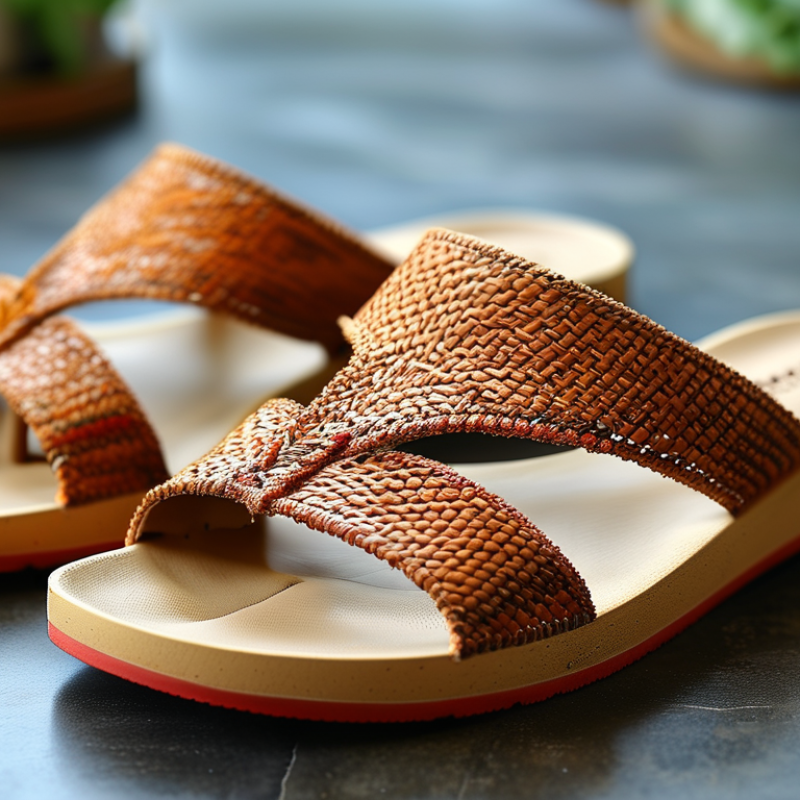
Top Quality Flip Flop Sandals: An Overview of the Chinese Market
The Chinese market for flip flop sandals is vast and diverse. According to recent industry analyses, the market has seen a growth rate of approximately 12% annually. This rapid expansion is driven by rising consumer demand for stylish and comfortable footwear. The increasing popularity of casual lifestyles further fuels this trend.
Manufacturers in China are continually innovating to meet global standards. High-quality materials are now being prioritized to enhance durability and comfort. Reports indicate that 70% of consumers consider these factors crucial when choosing flip flops. However, some manufacturers face challenges in maintaining consistent quality. The risk of inferior products still exists, leading to consumer distrust in some instances.
Sustainability trends have also influenced the market. Eco-friendly materials are gaining traction, yet many brands struggle with sourcing. This dilemma offers a reflective moment for manufacturers. Adapting to these changes while maintaining quality can be hard. The commitment to both quality and sustainability remains in question for many.
Key Factors Influencing Flip Flop Sandal Quality in China
When considering flip flop sandals, quality becomes a crucial factor for buyers. In China, several elements can affect the overall production of these casual footwear options. First, the selection of materials plays an essential role. Different materials can offer varying levels of comfort and durability. Non-toxic and eco-friendly options can enhance consumer appeal. However, many manufacturers still opt for cheaper alternatives, which may compromise quality.
Another significant aspect is the manufacturing process. Skilled craftsmanship ensures that flip flop sandals withstand daily wear. Unfortunately, some factories may cut corners, leading to inconsistencies in the final products. Advanced machinery and quality control measures are vital but sometimes overlooked. This can result in poor stitching or alignment issues, leaving buyers dissatisfied.
Lastly, market demand influences production standards. A surge in orders might lead factories to rush production. This can jeopardize quality in favor of quantity. Buyers should remain vigilant and prioritize suppliers with a strong quality assurance system. This reflection on current practices is necessary to foster improvement. By focusing on quality over cost, the industry can better cater to global consumers.
Popular Materials Used in High-Quality Flip Flops from China
Flip flop sandals have become a staple in the global market. The variety of materials used in their production plays a crucial role in determining quality. Higher-quality flip flops often utilize EVA, rubber, and recycled materials. According to a recent industry report, approximately 75% of flip flops produced globally use EVA for its lightweight and water-resistant properties. Rubber is also popular due to its durability and comfort. Many consumers seek eco-friendly options, pushing manufacturers to explore biodegradable materials.
The choice of materials can greatly impact both comfort and sustainability. While EVA is affordable and widely used, some brands are looking at ways to enhance its recyclability. This is a challenge since the material can take hundreds of years to decompose. The demand for sustainable products is rising, with a 20% increase reported in the last year alone. However, many businesses still struggle with the transition. Meeting consumer expectations for durability while promoting eco-consciousness remains complex.
Another factor is the manufacturing process. Quality control standards must be upheld to ensure longevity. Data indicates that poorly manufactured flip flops can break down after just a few weeks. In contrast, well-made models can last for several seasons. This disparity sparks debates about industry practices. As consumers, understanding the materials and their implications shapes our purchasing choices.
Leading Manufacturers and Brands of Flip Flop Sandals in China
China has emerged as a significant player in the global flip flop sandals market. In 2022, the market size reached approximately $5 billion, with expectations to grow annually by 7% until 2030. This growth reflects the increasing demand for affordable and stylish footwear. Many manufacturers focus on utilizing eco-friendly materials to attract environmentally conscious consumers.
Key characteristics define leading manufacturers in China. They prioritize high-quality production processes and innovation. The use of advanced technology enhances durability and comfort, crucial in a competitive market. Reports highlight that consumer preferences are shifting towards customizable designs. This trend encourages brands to engage with their audience, ensuring products meet diverse needs.
While China's flip flop industry prospers, certain challenges exist. Quality control can be inconsistent across various manufacturers. This raises concerns for buyers seeking reliable partners. Additionally, fluctuating raw material costs impact pricing strategies for producers. Brands must adapt continually to maintain a competitive edge. Engaging with market data helps manufacturers make informed decisions to navigate these challenges.
Trends and Innovations in Flip Flop Sandals for Global Consumers
Flip flop sandals have become an essential item for consumers worldwide. Their popularity is evident in beachwear and casual outings. As global buyers search for comfort and style, Chinese manufacturers are innovating to meet these demands. New materials and designs enhance durability and aesthetic appeal. This approach aligns with current trends in fashion and functionality.
One noticeable trend is the use of eco-friendly materials. Many manufacturers now explore sustainable options for production. This shift reflects a growing demand for environmentally conscious products. However, there is still room for improvement. Some brands struggle with reliable sourcing and consistent quality. Regular testing and customer feedback can help address these issues.
Customization is another emerging trend. Consumers seek unique designs that express their personalities. Flip flop sandals can now feature personalized color combinations or prints. This innovation invites creativity but challenges mass production. Balancing individuality with efficiency remains a key concern. Manufacturers must navigate these complexities while striving to deliver quality products.