Top Tips for Sourcing Quality Silk Fabric Worldwide?
Finding high-quality silk fabric can be a challenge. With a plethora of options, knowing where to start is essential. Industry expert, Dr. Emily Chen, emphasizes, "The secret to sourcing quality silk is understanding its journey from farm to fabric." This highlights the complexity behind sourcing.
Silk has a rich history, reflecting cultural significance and craftsmanship. Yet, not all silk is created equal. Some producers emphasize sustainability, while others focus solely on aesthetics. As a buyer, recognizing these differences can impact your choices greatly.
Quality silk fabric should not only feel luxurious but also have integrity. It’s important to look for certifications and transparency from suppliers. In pursuing the best, one should also remain vigilant about potential pitfalls. Not every glossy label guarantees exceptional quality. The journey to find the perfect silk fabric is rewarding, but requires careful research and diligence.
Understanding Silk Fabric: Types and Characteristics
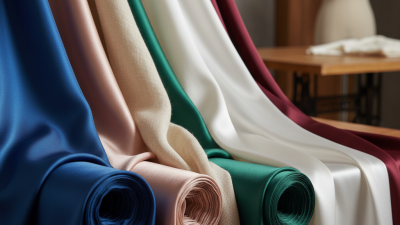
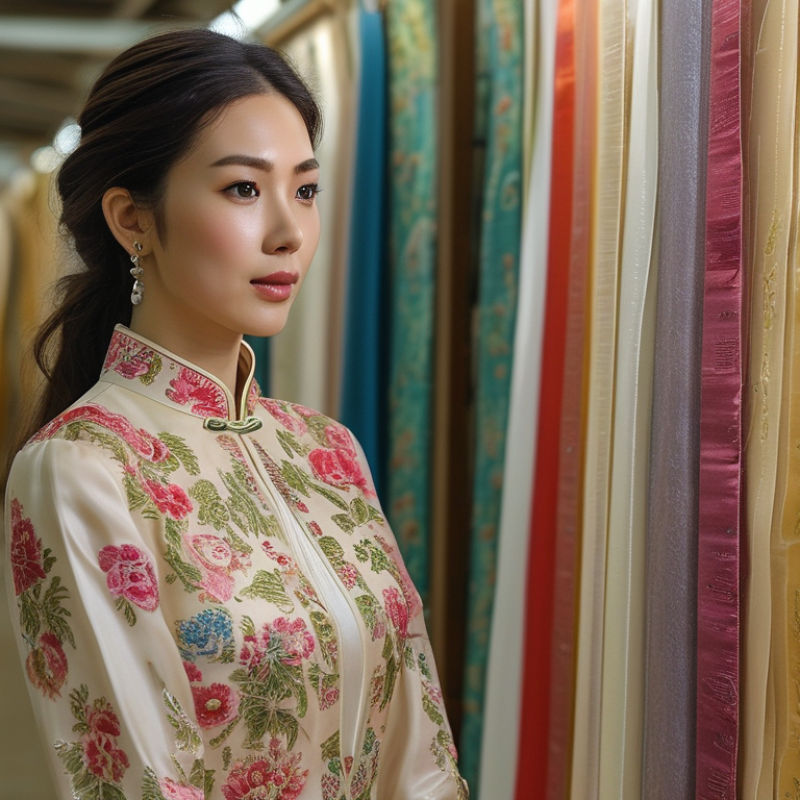
When exploring silk fabric, understanding its types and characteristics is essential. Silk has a natural sheen and smooth texture that make it unique. Different types of silk exist, including mulberry, wild, and tussah. Each type has distinct qualities that influence its use. For example, mulberry silk is known for its uniformity and strength, while wild silk offers a more textured feel.
The characteristics of silk fabric can be mesmerizing. It is lightweight yet durable, allowing for elegant garments that drape beautifully. The fabric’s breathability makes it suitable for various climates. However, one might discover that not all silk feels the same. Some may feel too slippery for certain designs or may not hold dye as expected. Understanding these nuances can aid in better sourcing decisions.
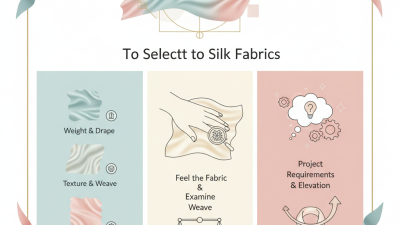
When sourcing silk worldwide, consider the fabric's weight and weave. Different weaves, such as satin and chiffon, affect the look and feel of the material. It is crucial to request samples before making bulk purchases. This helps in assessing the quality and texture in real life. Sometimes, what looks good online can be disappointing in hand. Take the time to evaluate, and trust your instincts when selecting quality silk.
Silk Fabric Types and Characteristics
Identifying Reliable Sources for Quality Silk Fabric
When sourcing quality silk fabric worldwide, identifying reliable sources is crucial. Start by researching reputable suppliers with a strong online presence. Look for customer testimonials and product reviews to gauge their quality. Engage in conversations with fellow fabric enthusiasts or industry professionals to gather insights into trusted vendors.
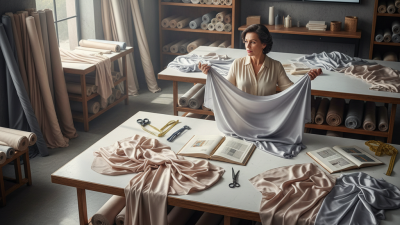
Visit trade shows or textile fairs when possible. These events offer an opportunity to meet suppliers face-to-face. Touching and feeling the fabric helps ensure its quality. Pay attention to details like weave consistency and sheen. Suppliers who invest in their presentation often care about product quality.
Be mindful of red flags. If a supplier avoids questions or provides vague information, consider it a warning sign. High-quality silk should have a distinct feel. Don’t hesitate to request samples before placing a larger order. This step allows you to inspect the fabric closely. Building trustworthy relationships takes time and effort, but the rewards are well worth it.
Evaluating Suppliers: Questions to Ask and Criteria to Consider
When sourcing quality silk fabric, it's crucial to evaluate your suppliers carefully. Start by asking about their sourcing practices. Inquire where they source their silk, whether it’s a local or international supplier. This can impact both quality and sustainability. Request samples to assess the fabric's texture and durability. Visual inspection can reveal much about the manufacturing process.
Next, consider the supplier's experience in the industry. A reputable supplier will have a solid track record. Ask about their client history and any certifications they may have. This can provide confidence in their reliability. Don’t hesitate to reach out for references from previous clients. It’s a simple way to gauge their trustworthiness.
Pricing is important but should not be the only factor. A lower price might indicate lower quality. Compare quotes but prioritize quality over cost. Ensure there is transparency in pricing. Hidden fees can lead to budget overruns and dissatisfaction. Be prepared for some suppliers to provide less than satisfactory responses. Reflect on the importance of each interaction as it speaks to their overall professionalism.
Top Tips for Sourcing Quality Silk Fabric Worldwide
| Criteria |
Details |
| Material Quality |
Ensure that the silk is 100% natural, check for smoothness and luster. |
| Supplier Reputation |
Research reviews and feedback from previous customers. |
| Production Capacity |
Evaluate the supplier's ability to meet your order quantity and timelines. |
| Certifications |
Check for environmental and quality certifications. |
| Pricing Structure |
Understand the pricing model and any hidden costs involved. |
| Payment Terms |
Clarify payment options and credit terms before proceeding. |
| Shipping Options |
Discuss logistics and shipping timelines to ensure timely delivery. |
| Customer Support |
Evaluate how responsive and helpful the supplier's customer service is. |
Sourcing Silk Fabric from Global Markets: A Step-by-Step Guide
Sourcing silk fabric worldwide requires a strategic approach. Start by researching regions renowned for silk production. Countries such as China and India offer a variety of options. However, be cautious of the differences in quality. Not all silk is the same. Understand the types available, such as mulberry or tussah silk. Each has unique characteristics affecting texture and durability.
Next, build a network of reliable suppliers. Attend international textile fairs or search for online marketplaces. Establishing trust takes time. Ask for samples to assess quality before making bulk purchases. Communication is vital. Engage with suppliers to clarify your needs and expectations. Misunderstandings can lead to dissatisfaction.
During the sourcing process, remain flexible. Market conditions can change rapidly. Prices may fluctuate based on availability. Regularly reassessing your sourcing strategy can prevent costly mistakes. Don’t hesitate to seek expert advice if you're unsure about specific suppliers or materials. Taking these steps can enhance your sourcing efforts and lead to better decisions in your silk procurement journey.
Navigating Import Regulations and Logistics for Silk Fabric Procurement
Sourcing quality silk fabric globally requires a clear understanding of import regulations. Each country has its own set of rules governing the importation of textiles. Research these regulations thoroughly before making a purchase. This will save time and prevent potential legal issues. For example, customs duties and paperwork vary widely. Mistakes in documentation can lead to delays and unexpected costs.
Logistics plays a crucial role in silk procurement. Finding reliable shipping partners is essential. They should have experience with delicate fabrics like silk. Consider methods like air freight for faster delivery. However, air freight is often more expensive than sea freight. Weigh the trade-offs based on your budget and timelines. It’s important to have a clear dialogue with suppliers regarding shipping terms. Misunderstandings here can result in complications.
Staying informed about changes in trade laws is vital. Regulations can shift, affecting tariffs and compliance standards. Engage with industry professionals to keep your knowledge updated. Attend trade shows or seminars focused on textile importation. Learning from others’ experiences can help you mitigate risks. Sourcing silk is not just about finding quality fabric; it’s also about navigating the complexities of international trade.