Why Use Clothes Donated Bins for Sustainable Fashion Solutions?
In today's fast-paced world, the fashion industry faces a sustainability crisis. Overconsumption leads to mountains of textile waste. The Clothes Donated Bin emerges as a practical solution to mitigate this issue. Placing these bins in accessible locations allows individuals to recycle their unwanted garments easily. Each donation contributes to reducing landfill waste and promotes a circular economy.
The impact of these bins extends beyond waste reduction. They encourage community involvement and raise awareness about sustainable fashion practices. Nonetheless, we must reflect on our habits. Are we only evolving our wardrobes without considering the ecological footprint? By utilizing Clothes Donated Bins, we take a step toward conscious consumerism.
Moreover, there is room for improvement. Ensuring bins are well-maintained and regularly emptied can enhance their effectiveness. Collaboration with local charities is necessary to ensure donations are put to good use. Each action counts in this collective effort, fostering a culture of sustainability within our communities.
Understanding Sustainable Fashion and Its Importance
Sustainable fashion is increasingly vital in today's world. The fashion industry accounts for approximately 10% of annual global carbon emissions. This staggering figure highlights the need for more environmentally friendly practices. Recycling and donating clothing can significantly reduce textile waste. In fact, a report by the Ellen MacArthur Foundation states that if we recycled all our clothes, we could reduce carbon emissions by over 50 million tons annually.
Understanding sustainable fashion involves grasping its broader impacts. Sustainable practices not only address environmental concerns but also social issues. The rise of fast fashion contributes to labor exploitation and waste. Yet, using clothing donation bins promotes a circular economy. These bins encourage consumers to think about their clothing's lifecycle. They provide an accessible way for people to contribute to sustainability efforts.
While donating clothes is a positive step, the approach is not without challenges. Not all donated items are reused effectively. Many end up in landfills after being processed. This situation calls for more education on what to donate and how to recycle textiles properly. Additionally, we must reflect on consumer habits that drive overproduction. Awareness of these issues can lead to more responsible choices in the future.
The Role of Donated Bins in Promoting Clothing Recycling
Clothing donation bins play a crucial role in promoting clothing recycling. They provide a convenient way for people to dispose of unwanted garments responsibly. With an increasing awareness of sustainability, these bins make it easy for individuals to contribute to positive change. Moreover, they reduce landfill waste and minimize environmental impact.
People often underestimate the importance of these bins. Many might drop off clothes without considering their journey. Once collected, clothing is sorted and evaluated. This process can sometimes be flawed, as not all donated items are suitable for reuse. Some end up in thrift shops while others are recycled into new textiles. Awareness of this lifecycle is essential.
In cities where donation bins are prevalent, the culture of recycling becomes more pronounced. However, we should reflect on our donation habits. Do we only donate out of guilt? Are we mindful of quality? Sustainable fashion requires more than just a donation; it demands intentionality. Choosing high-quality items to donate can enhance the overall system. Ultimately, these bins are a step towards a more sustainable future, but they need our thoughtful participation.
Benefits of Using Clothes Donated Bins for Environmental Impact
Using clothes donation bins plays a vital role in promoting sustainable fashion. These bins are essential for minimizing textile waste. In 2022, the Environmental Protection Agency reported that over 17 million tons of textile waste were sent to landfills in the U.S. alone. By encouraging donations, we can divert this waste from landfills, reducing our carbon footprint.
Moreover, donating clothes can significantly lower the environmental impact of new garment production. A study by the Ellen MacArthur Foundation reveals that producing a pair of jeans can use up to 1,800 gallons of water. When clothes are reused, this demand decreases. Every item donated through these bins translates into fewer resources consumed in manufacturing new clothing.
While donation bins provide clear benefits, there are challenges. Not all donations can be recycled. Some clothes may end up in incineration or landfills still. This highlights the importance of educating the public on what to donate. Awareness can enhance the overall impact of donation efforts. Striving for a circular economy in fashion requires commitment from all, including consumers and organizations.
Challenges and Solutions in the Implementation of Donation Bins
The implementation of clothes donation bins presents several challenges. One significant hurdle is the lack of public awareness. Many people are unsure about what items can be donated. This uncertainty can lead to contamination of the bins with non-donatable items. Educating the community is vital. Clear signage and local campaigns can help clarify what can be donated.
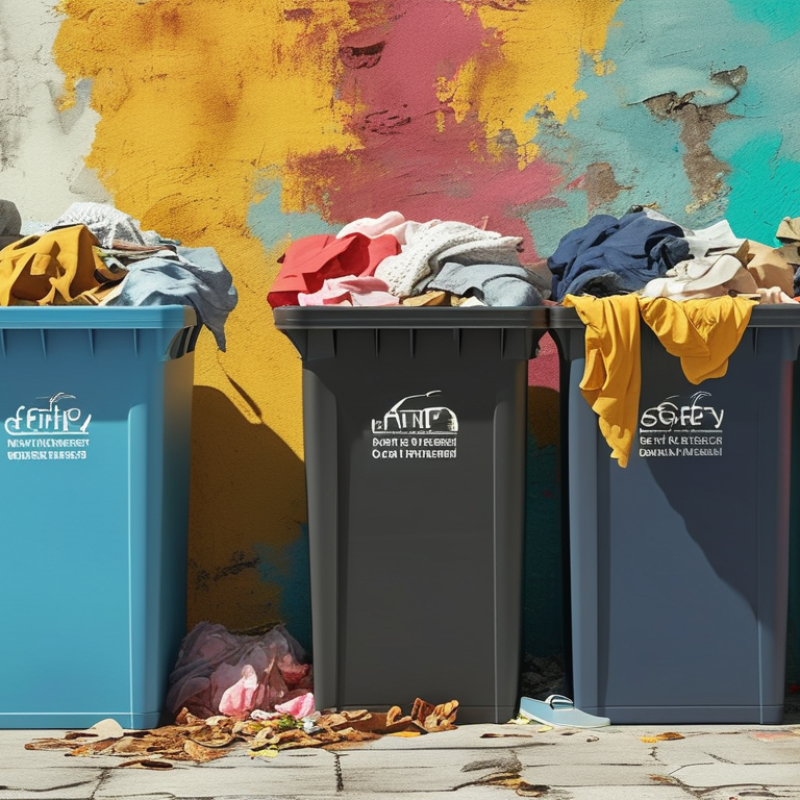
Another challenge is the maintenance of the bins themselves. In some areas, bins may become overflowing or unsightly. This can deter potential donors from using them. Regular checks and maintenance schedules are essential to ensure they remain functional. Partnerships with local organizations could assist in managing this.
There is also the risk of unsanctioned collection. In some instances, individuals might empty bins for profit. This not only undermines genuine donation efforts but also creates distrust in the system. To address this, collaboration with local authorities can help monitor the bins and establish who is responsible for their upkeep. This builds a sense of community ownership and trust over time.
Community Engagement and Awareness Around Donation Practices
Community engagement is a key factor in promoting sustainable fashion practices. When people understand the impact of textile waste, they are more likely to participate in donation initiatives. Awareness campaigns can highlight how second-hand clothing reduces landfill waste and minimizes resource consumption. Local events can encourage families and individuals to donate, creating a sense of community ownership around sustainable practices.
Utilizing donation bins can raise awareness about responsible clothing disposal. These bins serve as convenient drop-off points, making it easier for people to donate unwanted items. By placing them in accessible locations, we can reach a broader audience. However, there are still challenges. Some people may toss in non-donatable items, leading to contamination. Education on what can be donated remains crucial.
Awareness isn't just about dropping off clothes. It involves discussions and workshops within the community. These initiatives can detail the importance of reducing fast fashion's environmental impact and inspire ethical consumerism. Creating a culture of thoughtful giving enriches local communities and fosters a more sustainable future for fashion.