Everything You Need to Know About Vinyl Fabric in 2025
As we look ahead to 2025, the vinyl fabric industry continues to evolve, embracing innovations and addressing environmental concerns. Experts like Dr. Emily Stratton, a leading researcher in sustainable textile technologies, emphasize the importance of adapting to these changes. "Vinyl fabric is not just about durability; it's about finding eco-friendly solutions that cater to a modern consumer," she states. This foresight into the future of vinyl fabric sets the stage for manufacturers and consumers alike to navigate this dynamic landscape.
In the upcoming years, vinyl fabric is expected to play a pivotal role in various sectors, ranging from fashion to interior design. With its versatility and adaptability, vinyl fabric is being reimagined to meet the demands of sustainability while maintaining the qualities that have made it a staple material. As we dive deeper into the implications of these shifts, understanding the characteristics, applications, and innovations surrounding vinyl fabric will be crucial for industry professionals and consumers. By shedding light on the latest trends and advancements, this exploration aims to prepare stakeholders for the changes ahead in the vinyl fabric market.

What is Vinyl Fabric and its Composition in 2025?
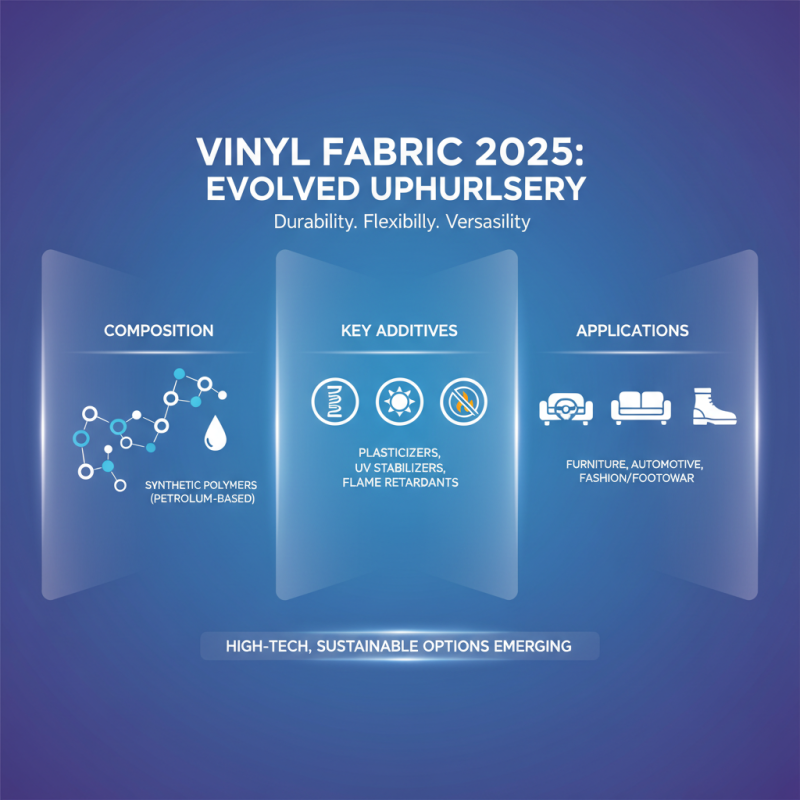
Vinyl fabric, also known as PVC (polyvinyl chloride) fabric, has evolved significantly by 2025, becoming a popular choice in various industries, from furniture to automotive upholstery. Vinyl is primarily composed of synthetic polymers derived from petroleum, which are then treated to enhance their durability and flexibility. The basic structure of vinyl involves a polymer backbone, along with additives like plasticizers that increase its pliability, UV stabilizers for sun resistance, and flame retardants to ensure safety.
In 2025, innovations in vinyl fabric production focus on eco-friendly practices, using less harmful chemicals and incorporating recycled materials into the manufacturing process. These advancements have made vinyl fabrics not only more sustainable but also longer-lasting, resistant to wear and tear, and easier to maintain. The ability to mimic the texture and aesthetic of natural materials while offering superior resilience against moisture, stains, and fading positions vinyl fabric as a versatile option for consumers in various sectors, reflecting the shift towards sustainable yet practical materials in contemporary design.
History and Evolution of Vinyl Fabric: Key Milestones
Vinyl fabric, known for its versatility and durability, has a fascinating history that reflects advancements in technology and changing consumer needs. Its origins can be traced back to the early 20th century, when synthetic materials began to enter the market. Vinyl, or polyvinyl chloride (PVC), was first developed in 1926, but it wasn't until after World War II that it gained significant traction. The post-war boom saw an increase in demand for affordable and resilient materials, paving the way for vinyl to become a staple in various industries, from upholstery to outdoor gear.
Throughout the decades, vinyl fabric has undergone considerable evolution, marked by innovations in production techniques and formulations. In the 1960s and 1970s, manufacturers began to enhance the aesthetic qualities of vinyl by introducing varied textures and colors, making it more appealing for fashion and interior design. The 1980s and 1990s saw the introduction of eco-friendly formulations, reflecting a growing awareness of environmental sustainability. As we approach 2025, the focus has shifted towards advanced technology, including digital printing and improved recyclability, positioning vinyl fabric as a sustainable option in the competitive textile market while maintaining its reputation for resilience and affordability.
History and Evolution of Vinyl Fabric (2010 - 2025)
Applications of Vinyl Fabric Across Industries in 2025
In 2025, vinyl fabric continues to demonstrate its versatility across various industries, marking its significance in both commercial and residential applications. The textile industry has observed a steady growth in the demand for vinyl materials, driven by their durability, ease of maintenance, and resistance to moisture and stains. According to a recent report from the Global Vinyl Association, the market for vinyl fabrics is projected to reach an estimated $4.8 billion by the end of 2025, with applications spanning upholstery, automotive interiors, and outdoor furnishings. This growth is indicative of the fabric's increasing preference among manufacturers and consumers alike.
In the automotive sector, vinyl fabric remains a popular choice for seat covers and interior finishes. The Automotive Upholstery Market Report highlights that around 60% of new vehicles incorporate vinyl materials due to their lightweight and cost-effective nature. In addition to automobiles, the hospitality industry leverages vinyl fabrics for durable and attractive furniture upholstery, ensuring longevity even in high-traffic areas. Moreover, the healthcare sector is utilizing vinyl due to its hygienic properties, with reports suggesting that vinyl upholstery can reduce the transmission of pathogens by up to 30%, making it ideal for medical environments. As industries continue to innovate and adapt, vinyl fabric’s multifaceted utility will undeniably shape the landscape of materials used in various applications in 2025.
Environmental Impact and Sustainability of Vinyl Fabric
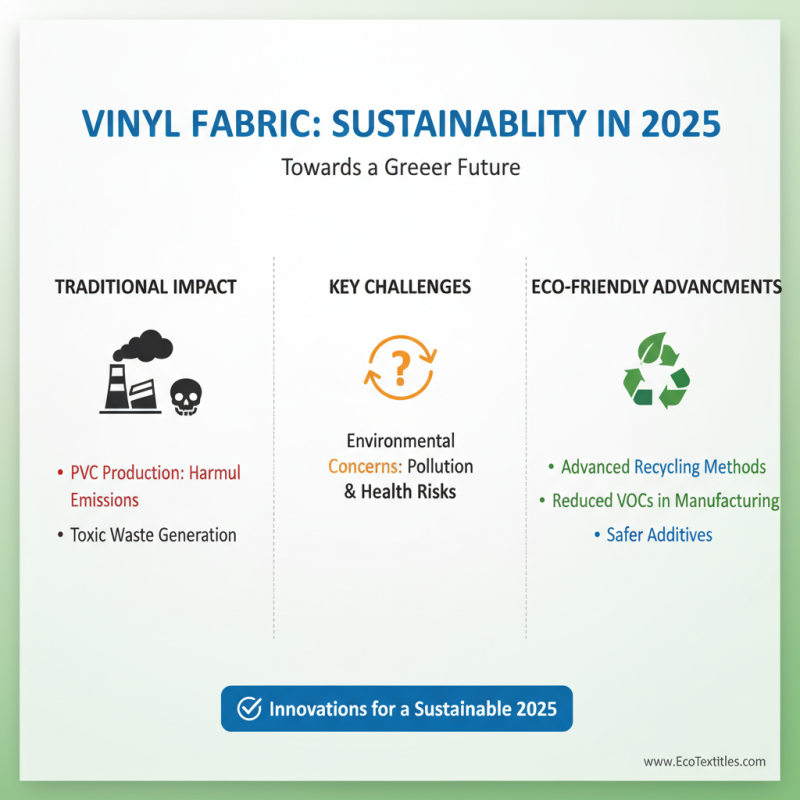
The environmental impact and sustainability of vinyl fabric have become increasingly important topics as we approach 2025. Traditionally known for its durability and versatility, vinyl fabric is made from polyvinyl chloride (PVC), a plastic that poses significant environmental challenges. The production of vinyl generates harmful emissions and can lead to toxic waste, raising concerns among environmentalists about its overall sustainability. In recent years, however, manufacturers have sought to mitigate these impacts by adopting more eco-friendly production methods. This includes advancements in recycling vinyl, reducing volatile organic compounds (VOCs) in manufacturing processes, and using safer additives that help limit ecological harm.
Furthermore, the push towards sustainability has led to the exploration of alternative materials that mimic the properties of vinyl while being less taxing on the planet. Innovations such as bio-based plastics and recycled vinyl have emerged, which not only reduce waste but also lower the carbon footprint associated with new vinyl production. As consumers increasingly demand environmentally responsible products, the industry is adapting to these needs by highlighting the importance of recyclability and incorporating more sustainable practices into their supply chains. This transition not only serves to improve the image of vinyl fabric but also to align it with a broader movement towards sustainability in textiles and manufacturing, further emphasizing the need for ongoing evaluation of its environmental impact.
Future Trends in Vinyl Fabric Development and Technology
As we look towards the future of vinyl fabric development and technology in 2025, several trends are emerging that promise to shape the industry significantly. One of the most notable trends is the increasing emphasis on sustainability. According to a recent report by Smithers Pira, the global market for sustainable vinyl products is expected to grow by 12% annually, driven by both consumer demand for eco-friendly materials and stricter environmental regulations. Manufacturers are investing in innovative processes that utilize recycled materials and reduce waste, making vinyl a more appealing option for environmentally conscious consumers.
Another key trend is the advancement in digital printing technologies, which allows for more intricate designs and custom solutions. A study published by Statista highlights that the digital textile printing market is set to surpass $6 billion by 2025, with vinyl fabric applications being a significant contributor. This technology not only enhances design flexibility but also improves production efficiency, reducing lead times and costs for manufacturers. As vinyl fabric becomes more versatile, its applications across various sectors including fashion, interior design, and automotive upholstery are likely to expand, further solidifying its position in the marketplace.
Additionally, innovation in performance characteristics such as UV resistance, antimicrobial properties, and enhanced durability is expected to propel vinyl fabric into new realms of functionality. As outlined in a report by Technavio, the global vinyl fabric market is anticipated to grow at a CAGR of 5% from 2023 to 2025. This growth signals a burgeoning demand for vinyl that meets the needs of diverse applications while maintaining high standards of quality and performance.
Everything You Need to Know About Vinyl Fabric in 2025 - Future Trends in Vinyl Fabric Development and Technology
| Dimension |
Current Value (2023) |
Projected Value (2025) |
Trend |
| Global Market Size (Billion USD) |
12.5 |
16.2 |
Growth |
| Recycling Rate (%) |
8 |
15 |
Sustainability |
| Usage in Automotive (%) |
30 |
40 |
Increasing Demand |
| Production Technology Adoption (%) |
20 |
35 |
High-Tech Integration |
| Consumer Preference for Eco-Friendly Options (%) |
25 |
50 |
Shift Towards Sustainability |