Why Choose Athletic Baseball Caps for Your Brand?
An Athletic Baseball Cap can make a brand visible in everyday settings without demanding much attention. It may appear on a training field, at a weekend event, or during a commute. That flexibility makes it useful for businesses seeking practical branded merchandise. Still, a cap is only effective when people want to wear it.
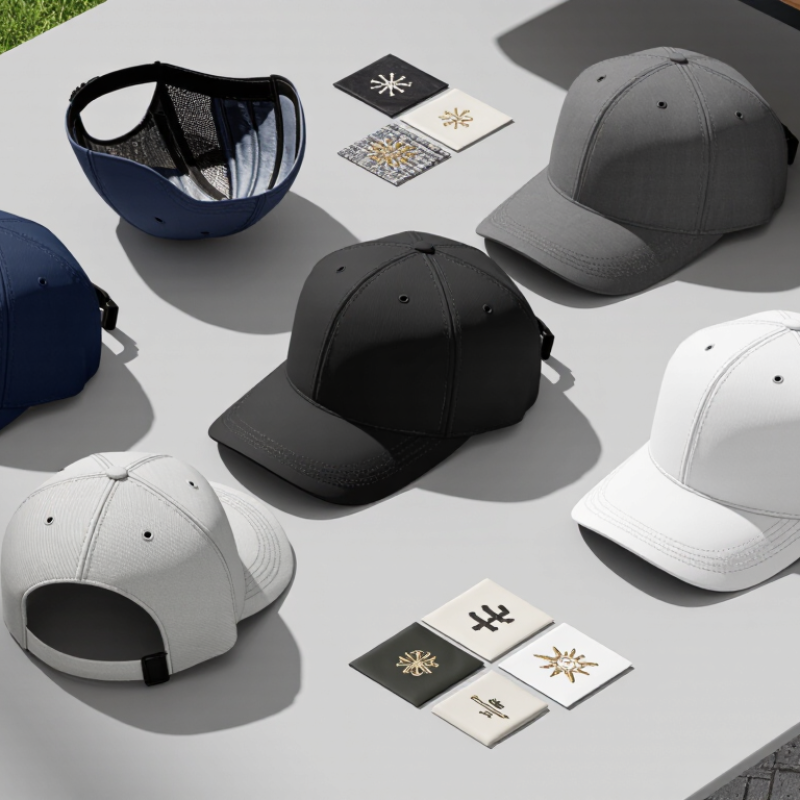
Small details matter. A curved brim can provide shade, while a breathable fabric may feel more comfortable during active use. The sweatband, stitching, and adjustment strap also affect the experience. For branding, embroidery offers a textured finish, while a printed logo can suit simpler designs. Choose a placement that remains clear from a few steps away. A crowded front panel can make even a strong logo harder to recognize.
The right choice depends on the audience and the intended use. A team may value a secure fit, while event guests may prefer a lighter cap in a neutral color. Samples help reveal details that product photos often miss, such as stiffness, seam comfort, and how the color looks outdoors. Check the available size range and care instructions before ordering. These checks take time. They can prevent a disappointing bulk order.
No cap works for every brand. Some designs look polished but feel too warm, and some fabrics show wear sooner than expected. That trade-off deserves attention. Comparing construction, comfort, and customization options can help a brand choose an Athletic Baseball Cap that people will actually keep wearing.
What Defines an Athletic Baseball Cap
What Defines an Athletic Baseball Cap
An athletic baseball cap is designed to stay comfortable during movement, not just look sporty. Its crown should sit securely without pressing hard against the forehead. A curved brim helps shade the eyes while keeping the cap easy to wear on a run or walk. Small details matter. A loose seam or stiff edge can become irritating after an hour. There is no single perfect fit; head shapes and preferences vary.
Lightweight, breathable fabric is a common feature. Woven polyester or cotton blends can dry quickly and hold their shape, though performance depends on the fabric construction. Mesh panels may improve airflow, while a moisture-wicking sweatband helps manage perspiration around the brow. Adjustable closures make sizing more flexible. For a brand, these practical features can support everyday use and make decoration easier to position. Still, a cap can look athletic and feel oddly warm, so testing a sample is worthwhile.
Tips: Check the fit during movement, not only in front of a mirror. Look for smooth seams, a stable brim, and a closure that does not slip. Ask wearers what feels uncomfortable; the answers may surprise you.
How Performance Features Improve Comfort and Function
An athletic baseball cap should feel almost invisible during a run, yet still manage sweat and stay secure. A lightweight crown with mesh panels can improve airflow, while a soft, absorbent sweatband helps keep perspiration away from the eyes. Small details count. A low-profile seam may reduce rubbing under headphones, but a stiff panel can feel uncomfortable after an hour. Ask suppliers for air-permeability results using ASTM D737 and moisture-management results using AATCC TM195; these tests help compare fabrics beyond their hand feel.
Heat safety matters, but a cap is only one part of it. The U.S. Bureau of Labor Statistics recorded 43 workplace deaths from environmental heat exposure in 2022, alongside 3,389 related injury and illness cases involving days away from work. That data does not show that caps prevent heat illness. It does underline why breathable materials and a comfortable fit matter in hot conditions. For sun use, the U.S. Environmental Protection Agency recommends protection when the UV Index reaches 3 or higher. A curved brim can shade the face, but it leaves ears and the back of the neck exposed. Fit matters. A cap that slips or holds heat may look right on a product sheet and still disappoint outdoors.
Ways to Customize Caps for Brand Recognition
Why Choose Athletic Baseball Caps for Your Brand?
Ways to Customize Caps for Brand Recognition
A cap becomes a moving display when people wear it beyond an event. ASI’s 2023 Ad Impressions Study estimates that promotional caps can generate about 3,400 impressions over their useful life. That reach depends on comfort and repeat wear, not just a large logo. Choose breathable fabric, a curved or structured brim, and a fit that feels secure during a walk or workout. Nielsen’s 2021 Trust in Advertising report found that 88% of respondents trusted recommendations from people they knew. A recognizable cap can support that everyday visibility, though it cannot guarantee trust. Small details matter.
Customize with restraint. Place a clear embroidered mark on the front, then use a contrast underbrim or a small side stitch for a secondary cue. Thread color should remain legible in shade and sunlight. Match the cap’s shape and fabric to how people will use it; a lightweight mesh style suits warm outdoor events, while brushed cotton feels more substantial for daily wear. One common misstep is adding too many colors. It can make the design harder to recognize from across a field.
Tips: Order a physical sample before production. Check stitching, fit, and logo visibility from several steps away. Ask a few intended wearers for feedback; the first design may need another pass.
Why Athletic Caps Suit Diverse Audiences and Uses
Athletic baseball caps suit varied audiences because their usefulness extends beyond the playing field. Runners wear them to shade their eyes; event crews use them for a consistent, practical uniform; families may choose them for sunny weekends outdoors. The Outdoor Foundation’s 2024 Outdoor Participation Trends Report found that 57.3% of Americans aged six and older took part in outdoor recreation in 2023. That points to a broad setting for wearable sun protection, though it does not measure cap purchases.
Small design choices shape who will actually wear one. A curved brim can reduce glare on a morning run, while breathable panels help during warm, active days. Adjustable closures accommodate more head sizes, but a single fit will not suit everyone. A useful everyday layer. For a brand, offering several colors and fit options can make the same cap work for a sports team, a community event, or casual staff apparel.
The World Health Organization’s 2024 physical activity fact sheet reports that about 31% of adults and 80% of adolescents worldwide do not meet recommended activity levels. A cap cannot change those figures. Not magic, though. It can be a comfortable, visible part of an active routine, especially when it feels good enough to wear beyond workouts. Test samples in heat and motion; fabric that looks breathable on a product sheet may still feel clammy after a brisk walk.
Factors to Consider When Choosing Caps for Your Brand
Why Choose Athletic Baseball Caps for Your Brand?
Factors to Consider When Choosing Caps for Your Brand
A useful athletic cap should suit the people who will wear it, not just look sharp in a product photo. Consider where it will be used: on a sunny training field, during a weekend run, or as everyday team gear. Each setting puts different demands on comfort, coverage, and durability.
Fit matters. Check the size range, crown depth, and closure adjustment, since a cap that shifts during movement quickly becomes distracting. A curved brim can offer familiar sun coverage, while a lighter, flexible brim may pack more easily. Look closely at fabric, too. Breathable mesh panels can help release heat, but some wearers may prefer a smoother, more protective front. Sweatband softness and seam placement deserve a hands-on check.
Logo placement should remain visible without making the cap feel stiff or crowded. Embroidery can add texture, though dense stitching may create a heavier panel; printed details may feel lighter but need wear testing. Ask for a sample and try it during movement, not only indoors. Test it outdoors. Check how the cap feels after an hour, whether the brim keeps its shape, and whether sweat leaves marks. Color consistency and stitching matter, but there is no perfect combination for every audience. A slightly less dramatic design may prove more comfortable, and that tradeoff is easy to miss on a screen.