How to Choose the Right Silk Fabric for Your Needs?

Choosing silk can feel simple until fabric rolls reveal different weights, weaves, finishes, and care requirements. The right silk fabric should match your project, not merely look luxurious under showroom lighting. A wedding dress may need flowing charmeuse, while structured cushions often require heavier dupioni or silk twill.

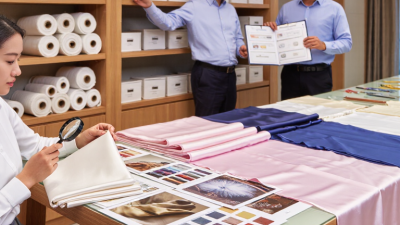
This guide examines practical details that experienced designers and textile buyers consider. We will compare fiber types, fabric weight, weave, drape, surface texture, opacity, durability, and color behavior. A close inspection under natural light can reveal uneven slubs, weak areas, or excessive finishing. Rub a small sample gently between your fingers. Notice its softness, recovery, and sound.

Feel the difference.

Reliable decisions also depend on transparent sourcing. Look for clear fiber descriptions, consistent measurements, care instructions, and reputable mill or supplier information. Certifications may support responsible production claims, but they should be verified rather than accepted blindly. Sample testing remains valuable, especially before ordering several meters. I have found that photographs often hide stiffness, thinness, or misleading shine. That is an easy mistake to make. Budget, climate, washing habits, and sewing skill can change the best choice. A delicate silk may be beautiful but impractical for daily clothing. No option is perfect. By weighing appearance against performance, readers can choose silk with greater confidence and fewer expensive surprises.
How to Choose the Right Silk Fabric for Your Needs?

Define Your Silk Fabric Requirements

Choosing silk begins with defining what the fabric must do. A blouse worn in summer needs breathability, softness, and a light drape. A formal dress may require more body, opacity, and resistance to wrinkles. Write these needs down before comparing samples. Otherwise, beautiful fabric can become an expensive mistake.

Consider the fabric weight, weave, finish, and care requirements. Lightweight silk feels cool against the skin but may need lining. Heavier silk hangs neatly and suits jackets or structured skirts. A satin surface reflects light, while a matte weave creates a quieter appearance.

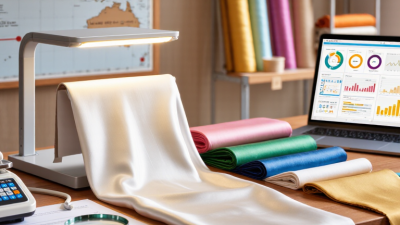
Hold a sample near a window. Check whether the color changes, whether the weave looks even, and whether the fabric feels slippery or stable. Small details matter.

Your daily routine also affects the choice. If hand washing is unrealistic, select a fabric with manageable care instructions. Ask for a small cutting and test its drape, seam behavior, and reaction to gentle moisture.

I once chose an elegant, delicate silk for frequent wear. It looked perfect on the table but demanded too much care. That experience changed my process. Now I match silk to real habits, not imagined ones.

Budget, project size, and available sewing skills deserve equal attention. A fabric requiring advanced handling may frustrate a beginner, even when its quality is excellent.

Compare Silk Types and Their Key Properties

Choosing silk starts with comparing fiber types, not just trusting a glossy surface. Mulberry silk is usually smooth, fine, and consistent because its fibers are carefully cultivated. It suits pillowcases, blouses, and flowing dresses. Tussar silk has a warmer golden tone and a gently uneven texture. Its natural slubs add character to jackets, skirts, and home accents. Eri silk feels softer and slightly woolly, with a matte appearance and useful durability.

Weave changes the result. Charmeuse uses a satin weave, creating a shiny face and a duller reverse side. It drapes beautifully but may show pulls and water marks. Habotai is lightweight and plain-woven, so it feels simpler and often works well for linings or scarves. Crepe silk has a pebbled surface that hides small wrinkles better than smooth satin. This difference matters during everyday wear.

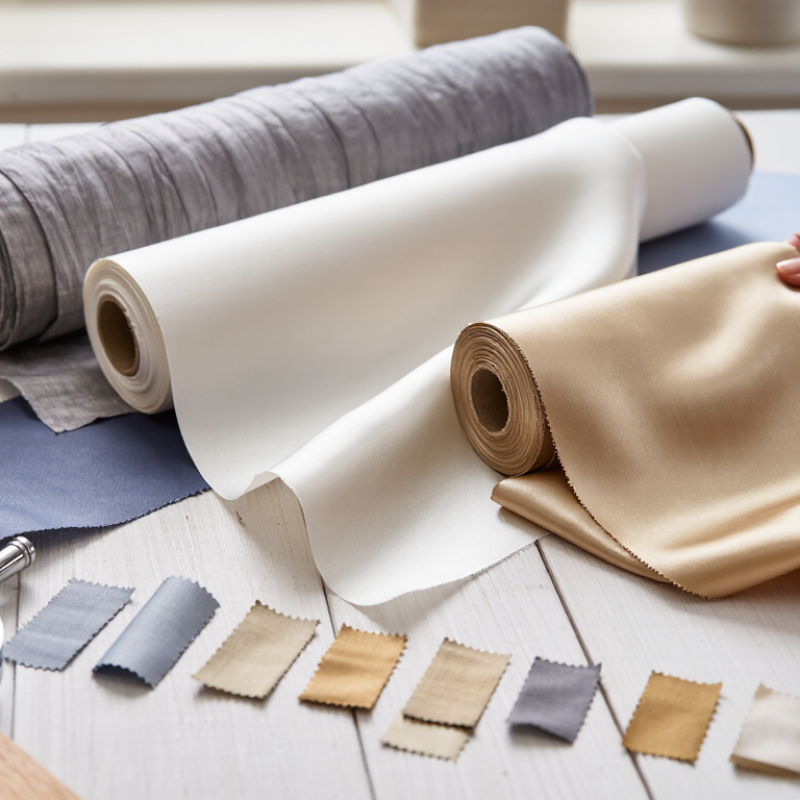
When choosing fabric, handle a swatch under natural light. Rub it gently between your fingers, then check how it falls from your hand. A dense silk may feel more substantial, while a sheer one needs careful layering. I once chose a beautiful, thin satin for a frequently worn blouse; it looked elegant but demanded more care than expected. Touch alone can mislead. Check fiber content, fabric weight, colorfastness, and washing instructions before buying. A small test wash may reveal shrinkage or changes in texture.

Evaluate Weave, Weight, Texture, and Sheen

How to Choose the Right Silk Fabric for Your Needs?

Start with the weave, because it controls how silk behaves. Plain weave feels balanced and stable, making it useful for shirts and linings. Twill has a diagonal structure and usually resists wrinkles better. Satin creates a smooth surface with noticeable shine, but it may show pulls easily. Crepe has a slightly pebbled texture and gives garments a softer, less formal appearance. I once chose satin only for its beauty. That shortcut failed when the fabric slipped during cutting.

Weight affects drape, coverage, warmth, and durability. Lightweight silk can feel cool and airy, but it may need careful handling. Medium-weight fabric often works well for dresses, blouses, and scarves. Heavier silk gives more body to jackets or structured skirts. If available, check the fabric’s momme rating, which indicates weight by area. It does not measure quality alone. Hold a sample against light. Watch for uneven transparency.

Texture should match both comfort and use. Rub the surface gently with clean fingers. A good silk may feel smooth, dry, crisp, or softly textured, depending on its weave and finish. Sheen also changes under different lighting. Bright store lights can exaggerate gloss. View the swatch near a window, then tilt it slowly. Check the reverse side too. The difference can be surprising. Test a small fold for creasing, and ask about washing care before buying. My own assessment is rarely perfect, especially with heavily finished fabrics, so a physical sample remains more trustworthy than a photograph.

Check Fabric Quality, Care Needs, and Durability

How to Choose the Right Silk Fabric for Your Needs?

Fabric quality begins with the fiber, weave, and finishing. Hold the silk near a window. Good fabric usually shows an even surface, soft depth, and consistent color. A slight slub is not always a defect; it may reflect natural variation. However, harsh shine, loose threads, or thin patches deserve caution. Check the momme weight, too. Lightweight silk suits scarves and blouses, while heavier silk handles skirts, curtains, and frequent use better. I once chose silk for its beautiful shine alone. The fabric looked elegant, but it proved too delicate for daily wear.

Care needs should match your routine. Read the care label before buying, and test a small hidden area for color transfer. Many silk fabrics respond best to cool water, gentle detergent, and careful hand washing. Do not wring them. Press out water with a clean towel, then dry them away from direct sunlight. Some finishes require professional cleaning. That adds cost. Think about it honestly.

Durability depends on more than thickness. Examine the weave under bright light and gently stretch a sample. It should recover without obvious distortion. Rub a corner lightly to check for early fuzzing or weakened threads. Inspect seams, especially for clothing that moves across the shoulders or hips. Dense weaves often resist wear better, but they may feel less airy. A practical choice balances touch, maintenance, and expected use—not appearance alone. Recheck your assumptions before purchasing.

Match Your Choice to Budget and Intended Use

How to Choose the Right Silk Fabric for Your Needs?

Match Your Choice to Budget and Intended Use

Your budget should follow the fabric’s job, not only its appearance. A silk scarf may need softness, color depth, and a smooth drape. A lining needs lighter weight and dependable movement. For these uses, a lower-cost silk blend can be practical. Check the fiber content carefully before buying.

For a blouse, charmeuse offers shine and fluid movement, but it can show every crease. Crepe feels less glossy and hides small wrinkles better. For structured clothing, heavier silk twill usually holds its shape more effectively. Bedding requires durability, breathable texture, and easy care. A washable silk may cost more initially, yet it can reduce cleaning expenses.

Fabric weight matters. Momme is a useful measure, but it does not reveal everything. A dense 19-momme fabric may suit a shirt, while lighter silk works for delicate scarves. Ask for a sample first. Rub it gently, hold it near light, and inspect the seams after folding. I once chose fabric by color alone, and the finished garment felt too thin. That mistake changed my buying process. I now compare samples, care instructions, and intended use together. Silk still has surprises.

How to Choose the Right Silk Fabric for Your Needs? - Match Your Choice to Budget and Intended Use

Silk Fabric Typical Weight
(Momme)
Surface and Structure Opacity Drape and Feel Indicative Price
(USD per metre)
Recommended Uses Durability Care Tendency
Habotai 8–16 Lightweight plain weave with a smooth, soft surface Low to medium Soft, fluid and comfortable against the skin $10–$30 Linings, scarves, sleepwear, blouses and lightweight crafts Moderate; lighter grades can snag or tear more easily Gentle hand washing may be suitable; avoid wringing and direct heat
Chiffon 6–12 Very lightweight, sheer plain weave with a slightly textured surface Very low Airy, flowing and delicate $15–$45 Overlays, evening dresses, veils, scarves and flowing sleeves Low to moderate; prone to snags and seam slippage Usually dry clean or carefully hand wash; handle edges gently
Charmeuse 12–19 Satin weave with a glossy face and a matte reverse Low to medium Very smooth, slippery and highly fluid $18–$55 Slip dresses, lingerie, blouses, skirts and elegant scarves Moderate; the smooth surface may show pulls and water marks Dry cleaning is safest; use low heat if pressing is necessary
Crepe de Chine 12–18 Lightweight plain weave with a subtly pebbled finish Low to medium Fluid but less slippery than charmeuse; soft with gentle texture $18–$50 Blouses, dresses, skirts, scarves and relaxed tailoring Moderate to good for its weight Hand wash or dry clean according to the dye and finishing process
Silk Twill 14–19 Distinct diagonal weave that improves body and stability Medium Smooth, supple and moderately structured $20–$60 Scarves, shirts, skirts, trousers and lightweight jackets Good; the diagonal structure helps resist everyday abrasion Dry clean or gentle hand wash; avoid prolonged soaking
Dupioni 16–22 Firm plain weave with visible slubs and a crisp finish Medium to high Crisp, structured and slightly rustling $22–$65 Formal dresses, skirts, jackets, upholstery accents and accessories Good; stronger body than many lightweight silk fabrics Dry clean is generally preferred; protect from sharp friction
Silk Organza 8–16 Sheer plain weave with a crisp, transparent structure Very low Light, firm and shape-supporting $20–$70 Wedding details, sleeves, ruffles, veils, bows and structured overlays Moderate; can crease permanently or snag on rough surfaces Dry clean or carefully hand wash; press on the reverse at low heat
Silk Georgette 8–16 Light crepe weave with a grainy, matte surface Low to medium Soft, springy and fluid with more body than chiffon $18–$55 Blouses, dresses, scarves, gathered details and layered garments Moderate; textured yarns help disguise minor creasing Gentle hand washing or dry cleaning; avoid aggressive brushing
Silk Velvet 18–30+ Woven pile fabric with a dense, light-reflective surface Medium to high Heavy, plush and luxurious with strong drape $45–$120+ Evening jackets, formal dresses, capes, accessories and furnishings Good, but the pile can crush and develop pressure marks Professional dry cleaning; never iron the pile directly
Silk Faille 18–30 Ribbed weave with a firm, substantial hand Medium to high Structured, crisp and supportive $35–$90 Formal gowns, bridal wear, tailored jackets and structured skirts Good to very good; suitable for garments requiring shape Dry clean; store flat or on a wide hanger to reduce permanent creasing

Price ranges are indicative retail estimates for silk fabric sold by the metre and can vary according to fibre quality, weight, width, dyeing, finishing and supply region. Momme is a traditional measure of silk fabric weight; a higher momme generally indicates a denser and more substantial fabric, but weave and finishing also affect performance.