10 Tips for Choosing the Best Leather Fabric?

Choosing the best leather fabric is not simply a matter of touching a soft sample. It requires careful attention to structure, performance, finish, and intended use. A material that feels luxurious on a showroom table may crack on a car seat, stretch on a handbag, or absorb stains on a sofa. That uncomfortable possibility deserves attention.

Leather scientist and author Tony Covington describes leather as “a material with a complex structure and a wide range of properties.” His observation explains why surface appearance alone cannot prove quality. Grain pattern, fiber density, tanning method, coating thickness, moisture content, and finishing treatment all influence the final result. Even experienced buyers can misjudge a material under bright retail lighting.

Real testing matters.

This guide, “10 Tips for Choosing the Best Leather Fabric,” examines practical details that are often overlooked. It considers genuine leather, corrected grain, split leather, bonded alternatives, and performance-coated fabrics. Each option can be suitable, depending on the product’s purpose, budget, maintenance needs, and expected lifespan.

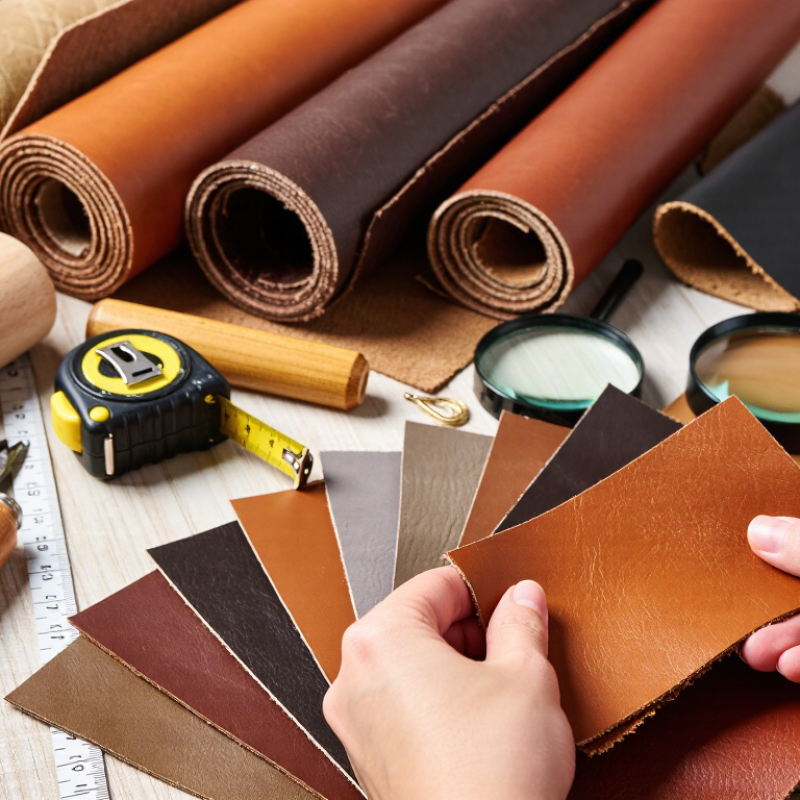
A small sample can reveal useful clues. Bend it near a seam. Rub the surface with a dry cloth. Check whether the color appears uneven after stretching. Smell it, but do not rely on smell alone. Some finishes imitate natural character remarkably well.

There is no universally perfect leather fabric. That is worth remembering. The strongest choice may look less flawless, feel slightly firmer, or cost more than expected. Careful selection means accepting a few imperfections while verifying the qualities that truly matter: durability, comfort, responsible sourcing, and consistent performance.
10 Tips for Choosing the Best Leather Fabric?

Define the Purpose and Performance Needs of the Leather Fabric

10 Tips for Choosing the Best Leather Fabric?

Define the Purpose and Performance Needs of the Leather Fabric

Begin with the product’s real use, not its appearance. A handbag needs flex resistance, edge strength, and stain tolerance. Upholstery needs abrasion resistance, lightfastness, and easy cleaning. Footwear often needs moisture control and repeated flexing. I once selected a beautiful, soft leather for a high-contact seat. It showed surface wear within months. The mistake was obvious later.

Ask for measurable performance data. Request thickness, tensile strength, tear strength, flex resistance, and abrasion results. Match test methods with the final application. For example, Martindale abrasion testing can help assess upholstery durability, but it cannot predict every failure. Laboratory results are useful, not magical. The Leather Naturally technical guidance also stresses that finishing, grain structure, and processing influence performance.

Sustainability claims need careful reading. The FAO estimates livestock supply chains create about 7.1 gigatonnes of CO2-equivalent emissions yearly, or 14.5% of human-caused emissions (FAO, 2013). This figure covers the entire livestock system, not leather alone. Meanwhile, Textile Exchange’s Materials Market Report 2024 recorded 124 million tonnes of global fiber production in 2023; leather is not included as a conventional fiber. Compare boundaries before comparing materials. Ask for traceability, chemical-management records, and durability evidence. A lower-impact claim means little if the fabric needs early replacement.

Compare Natural, Synthetic, and Blended Leather Materials

10 Tips for Choosing the Best Leather Fabric

Natural leather offers a warm grain, flexible hand, and gradual patina. Inspect the surface closely. Uneven pores usually suggest genuine hide, while perfect repetition may indicate embossing. Check thickness, edge quality, and stitching strength before buying. A small water-drop test can reveal absorption, but it may mark unfinished leather. Ask for the supplier’s tanning details and care instructions. Better evidence beats attractive wording.

Synthetic leather usually provides consistent color, easier cleaning, and lower initial cost. Polyurethane feels softer and more breathable than many PVC alternatives. However, surface cracking can appear after repeated bending or heat exposure. Rub a sample against fabric and flex it sharply. Look for peeling, stiffness, or a strong chemical odor. Request durability data, not just photographs. I once trusted a smooth sample and ignored its weak backing. That was a costly lesson.

Blended materials vary widely. Some combine leather fibers with coatings, while others use fabric and synthetic layers. Read the material percentage carefully. “Leather-like” does not explain the construction. Examine the cut edge, backing, and adhesive layers. For sofas, bags, or seats, match the material with pressure, sunlight, and cleaning needs. Natural leather suits long-term character, synthetic leather suits uniform maintenance, and blends may balance price with appearance. Still, that balance is not automatic. Compare three samples under the same light, bend them repeatedly, and record changes after cleaning. Wait before deciding.

Evaluate Texture, Thickness, Grain, and Surface Finish

When choosing leather fabric, assess texture with your fingertips, not only your eyes. A smooth surface should feel even, while natural grain may show small pores, wrinkles, or tonal shifts. These marks are not automatically defects. They can indicate genuine surface character. Still, excessive roughness may signal poor finishing or uneven processing.

Thickness must match the product’s use. Measure it in millimetres with a thickness gauge, following ISO 2589. Thin leather can suit soft apparel, but it may stretch around seams. Heavier leather offers structure for bags, upholstery, or footwear. Textile Exchange’s 2024 Materials Market Report recorded 124 million tonnes of global fibre production in 2023. Leather is outside that fibre calculation, so buyers should not compare it directly with woven materials. That distinction is easy to miss.

Study the grain closely under bright, angled light. Full-grain surfaces usually preserve more natural structure, while corrected grain appears more uniform after sanding or embossing. Check the finish by flexing a hidden edge. A quality coating should bend without cracking, flaking, or releasing a strong chemical smell. The Leather Working Group’s environmental audit framework evaluates water, energy, chemical, and waste management, but certification does not replace physical inspection. I once judged a sample too quickly because its shine looked premium. It later marked easily. Surface beauty can mislead. Ask for thickness records, finish details, and a test swatch before ordering.

10 Tips for Choosing the Best Leather Fabric? – Evaluate Texture, Thickness, Grain, and Surface Finish

Tip Evaluation Dimension What to Examine Useful Reference or Benchmark Best-Fit Applications Warning Signs
1 Confirm the Leather Type Identify whether the material is full-grain, top-grain, corrected-grain, split leather, or bonded leather. Ask for the backing and coating details when the term “leather fabric” is used. Full-grain retains the natural outer surface; top-grain has a lightly corrected surface; split and bonded materials generally have less natural fiber structure. Full-grain: premium footwear, bags, belts, and upholstery. Split or bonded leather: cost-sensitive decorative or light-use products. Vague descriptions, undisclosed coatings, or material labeled only as “genuine leather” without a construction specification.
2 Evaluate Texture and Hand Feel Bend, pinch, and gently compress the material. Good leather should feel appropriate to its intended use, with a balanced combination of softness, body, and resilience. Soft, supple leather is not automatically higher quality; firmer leather can be preferable where structure, abrasion resistance, or shape retention is required. Supple hides: gloves, garments, and flexible bags. Firm hides: belts, structured bags, furniture, and protective coverings. Plastic-like feel, excessive stiffness for a flexible product, surface cracking during bending, or a spongy feel caused by weak fiber structure.
3 Check Thickness and Uniformity Measure several points with a thickness gauge, especially near edges and across the center. Consider whether the leather needs skiving, folding, sewing, or lamination. Typical ranges: garments about 0.5–1.0 mm; lightweight bags about 1.0–1.5 mm; belts and structured goods about 2.5–4.0 mm. Exact needs depend on construction. Thin leather: apparel and lightweight panels. Medium thickness: bags and footwear uppers. Thick leather: belts, soles, straps, and heavy upholstery. Large unexplained thickness variations, weak edges, delamination, or a material too thick to fold and stitch cleanly for the intended design.
4 Inspect the Grain Pattern Look for natural pore variation and determine whether the grain is natural, embossed, or heavily corrected. Compare the front surface with the edge and reverse side. Natural grain usually has irregular variation. Embossed grain can be consistent and attractive, but the pattern alone does not prove quality. Natural grain: products where character and aging matter. Embossed grain: designs requiring consistent appearance or easier visual matching. A repetitive pattern that looks printed, excessive sanding, visible weak spots, or a grain layer that begins separating from the base.
5 Assess Surface Finish Determine whether the finish is aniline, semi-aniline, pigmented, waxed, oiled, or heavily coated. Rub and flex a sample to observe how the finish behaves. Aniline finishes show more natural variation but offer less stain protection. Pigmented finishes provide more uniform color and practical resistance. Aniline: luxury interiors and low-abrasion goods. Pigmented or protected finishes: high-use upholstery, footwear, and everyday bags. Sticky or overly glossy coating, finish transfer during rubbing, peeling after flexing, or a surface that conceals inconsistent underlying quality.
6 Test Flex and Crease Recovery Make repeated gentle folds and observe the grain, coating, and color. Test the exact finish and thickness intended for production. Quality requirements vary, but the surface should not develop premature cracking, flaking, or permanent sharp creases under normal handling. Important for shoes, wallets, bags, upholstery, folding covers, and any product exposed to repeated movement. Cracks appearing quickly, a coating that whitens at the fold, or severe permanent deformation after light flexing.
7 Check Strength and Tear Resistance Review available tensile, tear, seam, and abrasion test results. If formal testing is unavailable, examine the grain, flesh side, and stitching area on a representative sample. Performance should be judged against the relevant product standard and end use rather than a single universal strength value. Higher strength and tear resistance are essential for load-bearing straps, seating, footwear, luggage, and frequently handled goods. Loose fibers, easy tearing from punched holes, weak edges, or test reports that do not identify the material, finish, or test method.
8 Compare Color and Colorfastness Check color under neutral daylight and compare multiple pieces. Rub a hidden area with a dry and slightly damp white cloth to screen for transfer. Colorfastness depends on dye, pigment, finish, moisture, friction, and light exposure. Formal ratings should specify the test method and scale. Strong color consistency: furniture sets, footwear pairs, automotive interiors, and products made from multiple panels. Uneven dye penetration, strong color transfer, mismatched lots, or a finish that changes noticeably after mild rubbing or moisture.
9 Review Defects and Cutting Yield Inspect the full hide or roll for scars, insect marks, holes, loose grain, wrinkles, edge damage, and inconsistent texture. Estimate usable area rather than buying by nominal size alone. Natural hides commonly contain variation; the acceptable defect level depends on panel size, cutting layout, and whether a natural appearance is desired. Low-defect material: large visible panels and premium goods. More natural variation may be acceptable for small components or rustic designs. High defect concentration in the usable center, hidden flaws revealed after cutting, or significant differences between the approved sample and production lot.
10 Verify Care, Compliance, and Lot Consistency Request care instructions, production specifications, restricted-substance information, and a retained reference sample. Confirm that future lots can match the approved material. A suitable leather should meet the required chemical, physical, and labeling requirements for its market and intended contact or use conditions. Essential for apparel, footwear, furniture, children’s products, export goods, and products exposed to skin, moisture, or frequent cleaning. No care guidance, missing test documentation, strong residual odor, inconsistent batch records, or inability to reproduce the approved color and finish.

Check Durability, Maintenance Requirements, and Environmental Impact

10 Tips for Choosing the Best Leather Fabric?

Choosing leather fabric wisely starts with how it will be used. For a sofa, bend a swatch repeatedly and inspect the creases, edges, and backing. A dense grain should resist stretching, but surface coatings can hide weak material. Ask for abrasion results, tear strength, thickness, and seam performance. Do not trust softness alone. I once chose a beautiful, supple sample that scratched within weeks. That mistake changed my testing routine.

Maintenance needs should match your daily habits. Homes with children or pets may need protected finishes and darker, forgiving colors. Still, every finish has limits. Use a soft cloth, promptly remove spills, and follow written cleaning instructions. Avoid soaking, harsh solvents, and untested conditioners. Check whether the material needs periodic conditioning, and confirm replacement panels are available. A supplier who explains care honestly feels more reliable than one promising “maintenance-free” leather.

Environmental impact deserves evidence, not attractive wording. Ask where the hide originated, how tanning wastewater is treated, and whether energy use is measured. Look for traceability documents and credible environmental assessments. Recycled content can reduce waste, yet mixed backings may complicate future recycling. Long service life may matter more than a fashionable low-impact claim. I remain cautious because data can be incomplete or difficult to compare. Request those records before ordering, even when the sample looks perfect.

10 Tips for Choosing the Best Leather Fabric: Durability, Maintenance, and Environmental Impact

Compare common leather fabric options using a typical 1–5 performance scale. Higher scores indicate better durability, easier maintenance, and a stronger environmental profile. Actual performance varies with hide quality, finishing, tanning, use, and care.

Selection guidance: Full-grain and vegetable-tanned leather generally offer the best repairability and long-term durability. Top-grain leather provides a balance of appearance and performance, while split and bonded leather are typically less durable. Always check care instructions, finish composition, sourcing transparency, and expected service life before purchasing.

Verify Quality, Color Accuracy, Pricing, and Supplier Reliability

10 Tips for Choosing the Best Leather Fabric

Verify quality before discussing price. Hold the fabric near a window and inspect the grain, pores, and surface finish. Good material usually feels consistent, not strangely plastic or overly slippery. Bend a sample slowly. It should flex without sharp cracks or permanent white marks. Check thickness with a simple gauge, because a small variation can affect stitching and final shape.

Test the backing, edge, and rub resistance on a hidden area. A pale cloth can reveal loose color quickly. Request a larger sample, not only a tiny swatch. Color accuracy changes under daylight, warm lamps, and workshop lighting. Compare the sample with the approved color reference. Ask whether future batches may vary. They often do. I once trusted a digital image too much, and the delivered tone looked noticeably cooler.

Pricing needs a complete view. Include sample fees, cutting loss, shipping, packaging, and possible rework. The cheapest quote may become expensive after defects appear. Supplier reliability deserves equal attention. Review production capacity, inspection records, response speed, and traceable material documents. Request clear tolerances in writing. Confirm lead times before placing a large order. A dependable supplier explains problems early, rather than hiding them. Still, no supplier is flawless. Leave room for inspection, honest questions, and a backup plan.