Where to Buy Top Upholstery Supplies in China?
Where can buyers find dependable upholstery supplies in China? The answer depends on the material, order size, and level of quality control required. China offers a broad network of textile mills, foam makers, hardware manufacturers, and upholstery workshops. Yet a large catalog does not guarantee a suitable supplier. Buyers should compare fabric composition, color consistency, backing, abrasion-test results, and minimum order quantities. Ask for samples. Check the stitching, too.
William Morris, the British designer and textile authority, wrote, “Have nothing in your houses that you do not know to be useful, or believe to be beautiful.” That idea offers a useful lens for sourcing: a fabric or trim should meet a practical need and suit the finished piece. For China-based purchasing, request a dated sample card, written specifications, and clear details about lead times and packaging. Video calls can help, but they cannot replace checking a physical sample under real lighting. Details matter.
This guide looks at where to source upholstery supplies, how to compare suppliers, and what questions to ask before placing an order. Buyers may consider specialist markets, manufacturer-direct purchasing, and established online platforms. Each route has trade-offs. A lower quoted price may come with higher minimums or less flexible customization. Even careful checks can miss something. That is worth admitting. A small trial order, followed by inspection, can reveal issues before a larger commitment. Use the steps ahead to make a more informed choice, not to assume every supplier will fit every project.
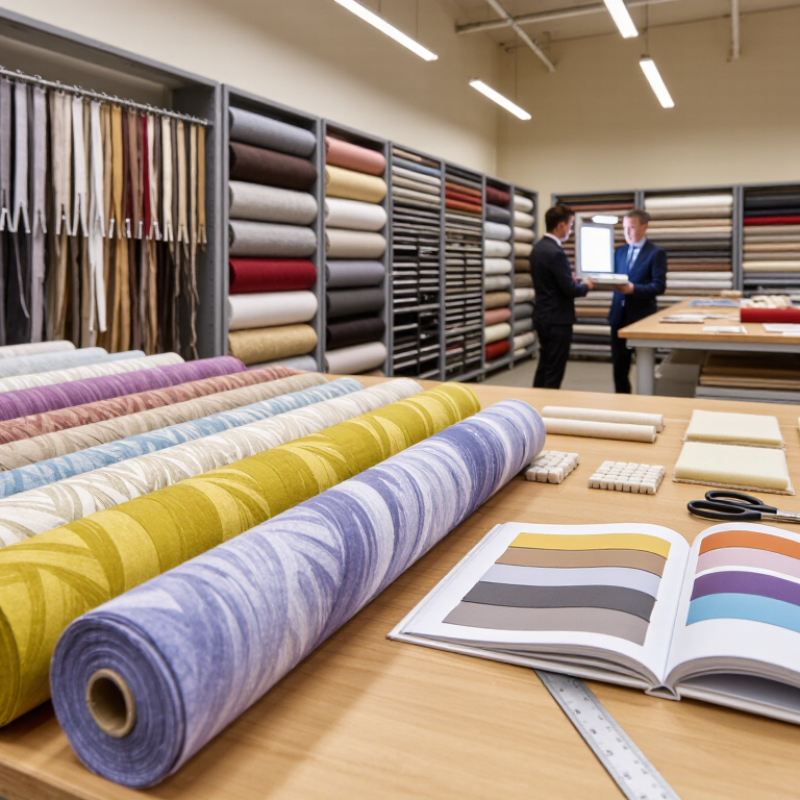
Understanding China’s Upholstery Supply Market
China’s upholstery supply market includes fabric mills, foam producers, hardware workshops, and full-service furniture material suppliers. Buyers can source through manufacturing districts, wholesale markets, trade fairs, or online supplier directories. Each route offers a different balance of choice, price, and direct factory access. Some suppliers make materials themselves; others coordinate several workshops.
Know what you need. A sofa maker may require upholstery fabric, foam, webbing, springs, and fastening hardware, while a repair shop may need only a few rolls and tools. Ask suppliers for material composition, usable width, thickness, color options, and minimum order quantities. Request physical swatches. Screen images can hide texture and shade differences.
Check consistency, not just price. Compare samples with production batches, and clarify packaging, lead times, and shipping arrangements before confirming an order. If possible, inspect the workshop or arrange a third-party quality check. Small details matter. A fabric that feels sturdy on a sample card may behave differently across a large cut. I have seen buyers focus too heavily on unit cost; it is an easy mistake, and sometimes the cheapest quote is still the right one. Test a small order first.
Identifying the Materials and Supplies You Need
Before contacting suppliers in China, define where the upholstery will be used. A dining chair needs different fabric from a shaded headboard or a busy hotel sofa. Start with the use. List the cover fabric, foam, batting, support webbing or springs, sewing thread, and any construction adhesive. Small details matter. Ask for fabric composition, usable width, abrasion-test results, and colorfastness information. For foam, compare density and firmness separately; they describe different properties. Request a cut sample, not just a photograph. A soft-looking cushion can feel surprisingly firm.
Upholstery materials are available through furniture-supply markets, specialist textile districts, and factory-direct suppliers. In each case, ask whether samples and bulk orders come from the same production lot. Check minimum order quantities, lead times, packing methods, and whether technical documents match the actual material. For a sofa cushion, test the fabric over a foam sample and sit on it repeatedly; the combination matters more than either item alone. Confirm that test reports suit your product and destination. I have seen buyers focus on a low fabric price and overlook shipping volume or shade variation. That calculation is easy to miss, and samples cannot guarantee every later batch will look identical.
Exploring China’s Main Upholstery Sourcing Regions
China’s upholstery supply chain is spread across several manufacturing regions, and each has a different strength. Foshan, in Guangdong, is a practical base for sourcing furniture frames, foam, webbing, and upholstery components. Nearby markets make it easier to compare related materials in one trip. Still, product quality can vary between suppliers.
For upholstery fabric, Shaoxing’s Keqiao district offers a broad range of woven and knitted textiles. Buyers can inspect texture, backing, color, and weight in person. Haining, in Zhejiang, is known for upholstery textiles and synthetic leather materials. Ask for composition details and abrasion-test information, and check whether the sample matches the production roll. Details matter.
Nantong, in Jiangsu, also has textile manufacturers and can suit buyers seeking fabric production or finishing options. The best region depends on the product: a sofa maker may need foam and hardware alongside fabric, while a fabric importer may prioritize mills and finishing services. Request dated samples, written specifications, and a clear quotation before ordering. One small caution: a showroom sample may not reveal color variation across a full batch. Plan time for a second inspection, even when the schedule feels tight.
Finding and Evaluating Reliable Suppliers
Finding reliable upholstery suppliers in China means checking the factory behind the quotation, not just comparing prices. Request a current business licence, production-site address, export references, and a live video walk-through. Match the address and legal entity across documents. Small mismatch? Ask why before paying for samples. Details matter.
Material claims need equal scrutiny. Textile Exchange’s Materials Market Report 2024 estimates global fiber production reached 124 million tonnes in 2023, with polyester accounting for about 57%. Ask for fiber-content, abrasion, and colorfastness test reports. Check that each report names the test method and matches the fabric code and production batch. A certificate alone is not proof. The World Bank’s 2023 Logistics Performance Index ranked China 19th globally, but a national ranking cannot verify one supplier’s delivery record.
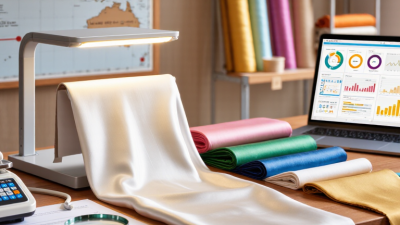
For shortlisted mills, order swatches from one production lot. Check the shade in daylight and under warm indoor lighting. Request a pilot roll, then record its width, weight, coating, and acceptable defects in the purchase specification. Compare promised lead times with dated shipment records. Paper can mislead. I would still request a second sample; one test may miss a finish change between batches. A polished showroom can be persuasive, but it says little about repeat production.
Comparing Prices, Samples, and Quality Standards
Where to Buy Top Upholstery Supplies in China?
Comparing Prices, Samples, and Quality Standards
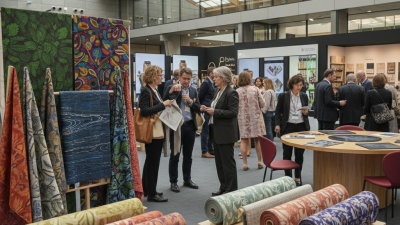
China’s upholstery supplies are available through textile markets, trade fairs, sourcing platforms, and direct manufacturers. Each channel offers different trade-offs. Markets let buyers inspect fabric rolls in person, while online listings make it easier to compare specifications across suppliers. Direct factories may offer better prices for larger orders, but minimum quantities can be high. Ask where the material is produced and whether the seller handles sampling and repeat orders.
Compare more than the price per meter. Request samples from several suppliers, then check color under daylight and indoor lighting. Rub the fabric, inspect the backing, and test how easily it creases. A small swatch cannot show every issue. One sample may feel excellent, yet a bulk shipment can differ slightly in shade or finish. That is worth checking before confirming an order. Ask for written specifications, including fiber content, fabric weight, usable width, and any abrasion-test results. Confirm how quality is checked before shipment.
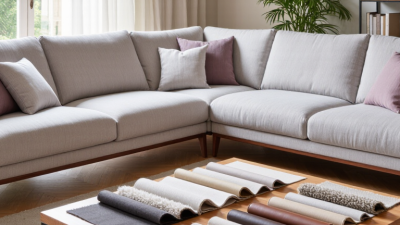
Tips: Label each swatch with its supplier and quoted price. Photograph samples beside a ruler, and keep notes on color, texture, and delivery terms. Request a larger cutting when possible. Slight imperfections in a sample are easy to overlook, so compare it against your actual furniture and lighting.
Conclusion
China offers a broad and varied market for upholstery supplies, including fabrics, foam, padding, hardware, and finishing accessories. Before sourcing, buyers should define the materials, specifications, quantities, and performance requirements for their projects. China’s main upholstery sourcing regions each have distinct manufacturing strengths, so comparing several locations can help narrow the search and identify suitable options.
A reliable purchasing process involves checking supplier experience, communication, production capabilities, and quality-control practices. Request samples and compare them against clear standards for appearance, durability, and consistency before placing an order. Evaluate prices alongside material quality and lead times, rather than choosing by cost alone. Once the order is confirmed, plan packaging, shipping arrangements, documentation, and import requirements in advance to help ensure the supplies arrive in good condition and on schedule.