7 Tips for Choosing the Best Couch Fabric for Global Buyers?

Choosing the right couch fabric is not a small decorating decision. It affects comfort, durability, cleaning, indoor appearance, and long-term value. Global buyers also face different climates, lifestyles, budgets, and shipping conditions. A pale linen sofa may feel elegant in a dry apartment, yet become demanding in a humid family home. No fabric wins every room.

Market evidence makes the decision more important. Grand View Research reports steady growth in the global upholstery fabrics market, driven by residential renovation, hospitality projects, and demand for improved performance materials. Textile Exchange’s Materials Market Report 2024 also states that global fiber production reached about 124 million tonnes in 2023. That scale highlights a difficult truth: material choice influences both comfort and environmental pressure. Buyers should examine fiber content, recycled inputs, certification claims, abrasion results, and care instructions. Marketing language alone is not enough.

William Morris, the influential designer and textile pioneer, advised, “Have nothing in your house that you do not know to be useful, or believe to be beautiful.” His principle still fits modern couch fabric selection. Utility must meet beauty. The Association for Contract Textiles recommends performance testing for abrasion, colorfastness, and flammability in demanding environments. Residential buyers may not need every commercial specification, but they should ask for comparable test evidence. Small details matter. A tight weave resists snagging. A removable cover simplifies maintenance. Yet even this advice needs reflection: performance fabrics can feel warmer, stiffer, or less natural. The best choice begins with honest daily use, not a showroom impression.
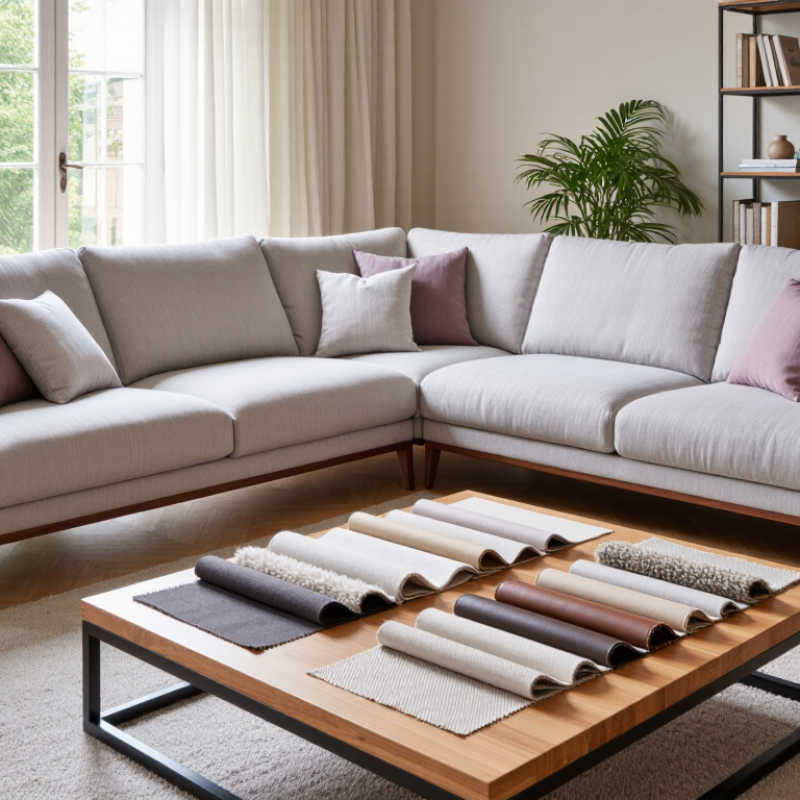
7 Tips for Choosing the Best Couch Fabric for Global Buyers?

Define Your Couch’s Use, Room Conditions, and Expected Lifespan

7 Tips for Choosing the Best Couch Fabric for Global Buyers?

Define Your Couch’s Use, Room Conditions, and Expected Lifespan

A practical fabric choice begins with the couch’s daily job. A family sofa needs stain resistance, firm weaving, and comfortable recovery after repeated sitting. A decorative couch may need softer texture and less intensive performance. Count the users, not just the seats. Children, pets, guests, and frequent meals can change the decision quickly. Ask how often the cushions will be cleaned.

Room conditions also affect fabric performance. Strong sunlight near a large window can fade dark colors over time. Humid rooms may require breathable, moisture-tolerant materials and careful ventilation. In dry spaces, static can attract dust and loose fibers. Check the fabric under your actual lighting. Store samples beside the window and under evening lamps. Colors can look surprisingly different.

Expected lifespan should guide the budget and construction. For five years of regular use, choose tightly woven upholstery with tested abrasion resistance. For ten years or more, inspect the backing, seams, cushion filling, and cleaning instructions together. A high durability rating alone does not guarantee comfort. Request test details, fiber content, care limits, and replacement fabric availability from the supplier. My first choice once focused too heavily on appearance; daily maintenance became inconvenient. “Good enough” was not good enough.

Compare Fabric Fibers, Weaves, and Performance Characteristics

For global buyers, couch fabric selection starts with fiber, not color. Cotton feels breathable and soft, but it can crease and absorb spills quickly. Linen offers a cool, textured surface, yet its relaxed wrinkles may look untidy in formal rooms. Polyester resists fading, abrasion, and daily stains, making it practical for busy homes. Nylon adds strength, although it can feel less natural against the skin. Blended yarns often balance comfort, cost, and durability better than a single fiber. That balance matters.

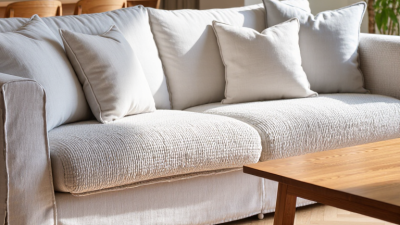
Weave changes performance as much as fiber does. A tight plain weave usually handles rubbing well and feels stable under heavy use. Twill hides small marks and gives fabric a denser hand. Velvet has a rich pile, but pressure can create visible shading. Bouclé brings texture and warmth; its loops may catch on sharp objects. Inspect the back of a sample. Loose threads reveal weak construction. Rub the fabric with a clean sleeve. It should not shed, pull, or change color.

Match the test to the room. Homes with children or pets need high abrasion resistance, secure colors, and clear cleaning instructions. Sunny apartments require tested lightfastness, not vague claims such as “fade resistant.” Check care labels, fiber percentages, seam strength, and performance test methods before ordering across borders. Standards and labeling rules vary by market, so request current technical sheets from the supplier. I once chose a beautiful loose weave for a showroom sofa; it aged poorly near a bag zipper. Appearance won, but performance lost. View fabric samples at home, in daylight, and after gentle cleaning.

Evaluate Durability, Stain Resistance, Comfort, and Maintenance Needs

For global buyers, couch fabric should be judged by daily use, not showroom appearance. Tip 1: Match abrasion resistance to traffic. ISO 12947 testing uses Martindale cycles, but there is no universal “best” number. A busy family room needs stronger performance than a formal lounge. Tip 2: Check fiber content carefully. The Textile Exchange Materials Market Report 2024 states that polyester made up about 57% of global fiber production in 2023. It often offers practical durability, but fiber blends can behave differently. Ask for test results.

Tip 3: Test stain resistance with coffee, oil, and water. A fabric that repels water may still absorb oily food. Tip 4: Prefer removable, washable covers when children or pets use the sofa. AATCC TM61 treats one 45-minute accelerated wash as roughly five home launderings, though actual results vary. Tip 5: Inspect cleaning codes and care labels. I have seen buyers choose pale upholstery, then regret its demanding maintenance. That mistake is easy to make.

Tip 6: Touch the fabric before ordering. Comfort depends on temperature, softness, breathability, and surface friction. Bouclé can feel warm, while tightly woven textiles may feel cooler and smoother. Tip 7: Request a physical sample. Lighting, humidity, and dye lots change perception across markets. Rub the sample against clothing and press it with a damp white cloth. Small tests reveal more than attractive photographs. I still overvalue appearance sometimes. That is a useful warning.

7 Tips for Choosing the Best Couch Fabric for Global Buyers? - Evaluate Durability, Stain Resistance, Comfort, and Maintenance Needs
Tip Fabric Type Durability Stain Resistance Comfort & Breathability Maintenance Needs Best Suited For Main Trade-Off
1 Performance Polyester High
Good abrasion resistance and strong shape retention when tightly woven.
High
Many constructions have low absorbency, allowing spills to be blotted before they set.
Soft to the touch; breathability depends on the weave and backing. Regular vacuuming; clean spills promptly with a water-based upholstery solution if permitted by the care label. Busy households, rental properties, hospitality areas, and everyday family seating. Can feel less natural than plant- or animal-based fibers and may build static in dry climates.
2 Microfiber High
Very fine fibers create a dense surface that generally resists surface wear.
High
Dense construction helps prevent many liquids from spreading quickly.
Soft, smooth, and warm; less airy than open-weave fabrics. Vacuum with a soft brush and blot spills immediately; rubbing can create visible texture changes. Homes with children or pets and buyers prioritizing easy daily care. May show fingerprints, pressure marks, or directional shading under strong light.
3 Cotton-Linen Blend Medium
Comfortable and suitable for moderate use, but loose weaves can wear faster.
Low to Medium
Natural fibers absorb moisture and can retain oily or colored stains.
Excellent breathability and a cool, natural hand feel. Frequent vacuuming; use professional or label-approved cleaning to reduce shrinkage and wrinkling risks. Warm climates, design-focused interiors, and lightly to moderately used rooms. More likely to wrinkle, fade, or develop stains than low-absorbency synthetic fabrics.
4 Wool Blend High
Wool fibers naturally recover from compression and can perform well in heavy-use upholstery.
Medium to High
Wool has natural resistance to soil and moisture, but it is not stain-proof.
Breathable and temperature-regulating; provides a warm, resilient feel. Vacuum regularly and avoid excessive moisture; professional cleaning is often preferred. Premium residential seating, cooler regions, and long-term use. Higher purchase cost and possible sensitivity to heat, agitation, or unsuitable cleaning products.
5 Velvet Medium
Performance depends heavily on fiber type, pile density, and backing quality.
Medium
Short, dense pile can resist quick penetration, but crushed areas may reveal marks.
Very soft, plush, and visually rich; usually less breathable than flat weaves. Vacuum gently in the direction of the pile; blot spills and avoid aggressive rubbing. Statement furniture, formal rooms, and low- to moderate-traffic spaces. Shows pile shading, pressure marks, dust, and cleaning inconsistencies more readily.
6 Olefin High
Resists abrasion and is commonly selected for demanding indoor or covered outdoor applications.
High
Low moisture absorption supports quick blotting and easier routine care.
Lightweight and reasonably comfortable; breathability varies by construction. Routine vacuuming and prompt spot cleaning; avoid excessive heat because the fiber has a relatively low melting point. High-use seating, sunrooms, covered outdoor areas, and humid environments. Can feel less luxurious and may develop surface fuzzing depending on yarn and finishing.
7 Leather High
Quality upholstery leather can last for many years when protected from excessive heat and sunlight.
Medium to High
Its nonwoven surface allows many spills to be wiped away, but dyes, oils, and scratches can leave marks.
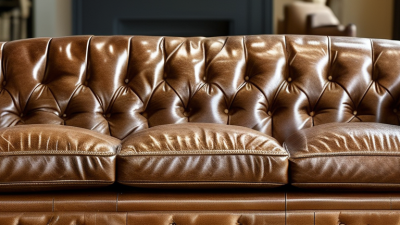
Becomes softer over time; can feel cool initially and warm with body contact. Dust regularly, wipe spills promptly, and use only cleaners and conditioners approved for the specific finish. Long-term residential use, offices, executive areas, and buyers wanting wipe-clean surfaces. Higher cost, visible scratches, and potential color change or drying if exposed to strong sunlight or heat.
Buyer checklist: Confirm the fabric composition, upholstery performance test results, colorfastness, cleaning code, light-exposure requirements, country-specific safety regulations, and availability of replacement or matching material before placing an international order. Performance varies with yarn quality, weave density, backing, finishing, and manufacturing method.

Match Fabric Color, Texture, and Style to Global Interior Preferences

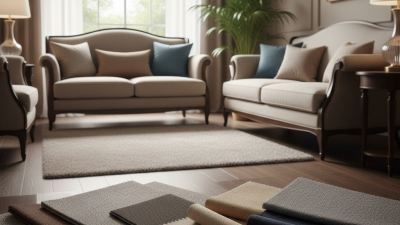
Choosing couch fabric for global buyers requires more than matching a color chart. In my experience, a sample can look warm in a showroom but appear gray under northern daylight. Test swatches near windows, lamps, and wood flooring. Soft beige, clay, and muted green often support calm interiors, yet local preferences vary. A bright accent may suit urban apartments, while earthy shades can complement natural materials. Ask how the room is used, not only what color is popular. Color changes with light.

Texture carries cultural and practical meaning. Bouclé suggests softness, while tightly woven cotton blends create a cleaner, more restrained appearance. Velvet can add depth, but it may show pressure marks after daily use. In humid climates, breathable and easy-drying constructions deserve closer attention. In homes with children or pets, a durable, stain-resistant surface may matter more than a luxurious hand feel. Request abrasion results, cleaning instructions, and colorfastness data before approving production. Marketing claims alone are not enough.

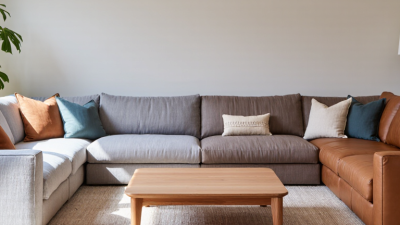
Style should connect with local furniture proportions and interior habits. A low, relaxed sofa may suit open-plan rooms, while a tailored silhouette can fit compact spaces. Neutral fabric is safer for broad markets, but safe can become forgettable. Compare the fabric with metal, stone, rattan, and regional woods. Photos help, but physical samples reveal more. I once underestimated how strongly texture changed the sofa’s perceived size. That mistake still guides my sampling process. Leave room for revision.

Verify Safety Standards, Sustainability, Pricing, and Supplier Reliability

7 Tips for Choosing the Best Couch Fabric for Global Buyers

Tip 1: Request recent safety test reports from the supplier. Match testing to the destination market, such as EN 1021, BS 5852, or CAL 117. Tip 2: Check chemical compliance, including restricted substances under REACH. A certificate alone is not enough. Ask for laboratory details, test dates, and fabric batch numbers. Tip 3: Confirm performance data, including abrasion, seam slippage, colorfastness, and pilling. Real furniture use is rougher than showroom handling.

Tip 4: Examine sustainability claims carefully. Textile Exchange reported 124 million tonnes of global fiber production in 2023. It projects approximately 160 million tonnes by 2030. Tip 5: Request fiber percentages, recycled-content evidence, and chain-of-custody records. UNEP estimates textiles create 2–8% of global greenhouse gas emissions. However, recycled content does not automatically mean lower impact. Water, energy, finishing, and transport still matter.

Tip 6: Compare total landed cost, not only the fabric price. Include sampling, minimum order quantities, testing, packaging, freight, duties, and inspection fees. A cheaper quote can become expensive quickly. Tip 7: Measure supplier reliability through lead-time history, defect rates, communication speed, and corrective-action records. Ask for a small production trial before placing a large order. Supplier promises can sound precise. They sometimes are not. A written specification, independent inspection, and realistic delivery buffer reduce unpleasant surprises, even when purchasing teams feel confident.

7 Tips for Choosing the Best Couch Fabric for Global Buyers

Verify safety standards, sustainability, pricing, durability, and supplier reliability before placing an order.

How to read the chart: Upholstery fabric should be matched to expected usage. The benchmark minimums shown are commonly used abrasion targets: 15,000 double rubs for light residential use, 30,000 for medium use, and 50,000 for heavy or high-traffic use. Test methods and laboratory results should always be confirmed with the supplier.

Buyer checklist: Request test reports for restricted substances and colorfastness, verify recycled-content claims through recognized certification schemes, compare total landed cost rather than unit price alone, and assess supplier reliability through production capacity, lead time records, sample consistency, and documentation quality. The Global Recycled Standard requires at least 20% recycled content, while the Recycled Claim Standard requires at least 5%.

Reference points: ACT Upholstery Performance Guidelines; Textile Exchange Recycled Claim Standard and Global Recycled Standard requirements.