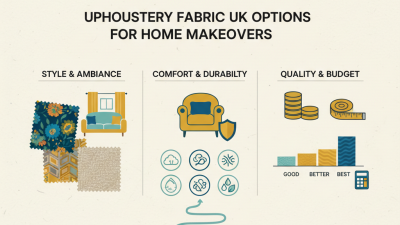
Why Buy Discount Upholstery Fabric in Bulk?
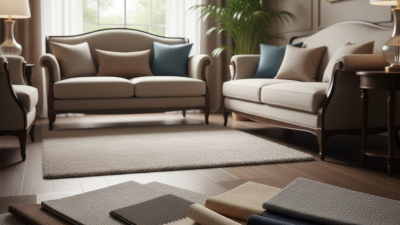
Buying discount upholstery fabric in bulk can make a costly furnishing project more manageable. The savings look attractive. One roll may cover dining chairs, café benches, ottomans, or several rental properties. Yet price alone should never decide the purchase. Fabric performance, color consistency, roll width, and usable yield matter just as much.
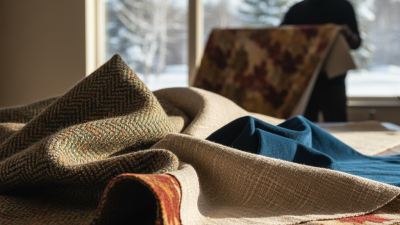
Experienced buyers usually request samples before approving a large order. They rub the cloth, inspect the backing, and compare it under daylight and warm indoor lamps. A swatch that appears charcoal online may look blue beside a walnut frame. Ask suppliers about fiber content, abrasion testing, cleaning instructions, fire-safety documentation where applicable, and return terms. Clear records support reliable decisions and protect project schedules. Bulk orders may also reduce packaging and repeated freight costs, especially when inventory remains stable. However, storage needs careful planning. Damp rooms, sharp shelving, and direct sunlight can damage an otherwise sound roll. Measure every piece before ordering, then add a realistic allowance for pattern matching and cutting errors. This is where buyers sometimes overestimate savings. Cheaper fabric becomes expensive when leftovers cannot be used. A careful comparison should include material, delivery, inspection, storage, and possible replacement costs. The best deal is not always the lowest invoice. It is fabric that performs reliably, matches the design, and supports consistent results across the project.
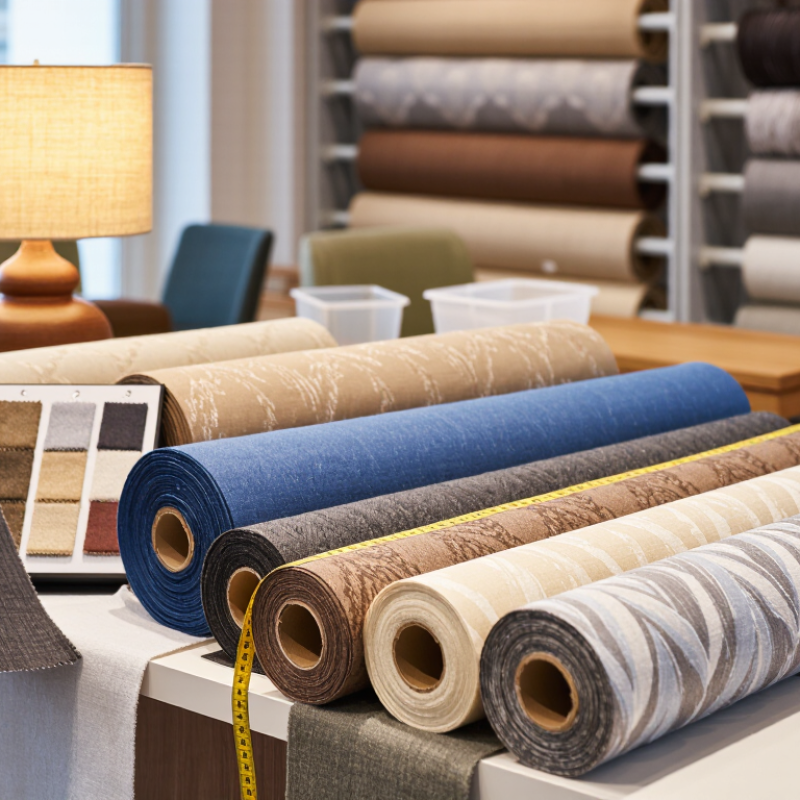
What Is Bulk Discount Upholstery Fabric?
Bulk discount upholstery fabric means upholstery material sold in larger quantities at a lower price per yard. Suppliers may offer full rolls, half rolls, or coordinated fabric lots. The discount usually reflects fewer handling steps and a larger order size. It does not automatically mean lower quality. However, buyers should inspect fiber content, fabric weight, abrasion resistance, colorfastness, and backing construction.
This fabric suits furniture workshops, hospitality projects, interior designers, and careful home renovators. A full roll can cover several dining chairs, a sofa, or matching cushions. Consistent dye lots also help create a uniform appearance across a room. Yet bulk buying needs accurate measurements. An unused roll may become expensive storage. A slightly wrong estimate can leave awkward leftovers. That is a practical weakness worth considering.
Tips: Request a cutting sample before ordering. Check the roll width and usable length. Confirm whether the price includes shipping. Compare the fabric’s performance rating with its intended use. For busy seating, choose a durable weave with strong seam stability. Keep the invoice and fabric specifications for future repairs. Small details matter. A sample viewed under warm showroom lights may look different beside a window. Evaluate it in the actual space, if possible.
Why Buy Discount Upholstery Fabric in Bulk? - What Is Bulk Discount Upholstery Fabric?
| Purchase Quantity |
Typical Discount Level |
Estimated Price per Linear Yard |
Potential Material Savings |
Best Suited For |
Important Consideration |
| 1–9 yards |
0%–5% |
$22–$35 |
Baseline pricing |
Small repairs and single furniture projects |
Lowest inventory commitment, but usually the highest unit cost |
| 10–24 yards |
5%–10% |
$20–$33 |
About $20–$75 on a 10-yard order |
Home renovators and occasional upholsterers |
Confirm that the entire dye lot is consistent before cutting |
| 25–49 yards |
10%–15% |
$19–$31 |
About $75–$300 compared with regular pricing |
Small upholstery workshops and furniture refinishers |
Storage space and fabric handling become more important |
| 50–99 yards |
15%–20% |
$18–$29 |
About $225–$1,000 compared with regular pricing |
Contract upholstery and repeated production work |
Check roll width, fabric weight, abrasion rating, and return terms |
| 100+ yards |
20%–30% |
$15–$28 |
About $600–$3,500 compared with regular pricing |
Large commercial, hospitality, and furniture production orders |
Minimum-order rules, freight charges, and excess inventory may reduce savings |
Planning note: Prices and discount levels are typical non-branded market ranges for upholstery fabric and can vary by fiber content, width, construction, performance rating, order size, shipping method, and regional availability. Always request a swatch and confirm the final quotation before purchasing.
Which Upholstery Fabrics Are Suitable for Bulk Orders?
Bulk upholstery orders work best when fabric choice follows use, not appearance alone.
Polyester and polyester blends are strong candidates for hotels, offices, and busy family rooms. Textile Exchange’s Materials Market Report 2024 estimates that polyester represented 57% of global fiber production in 2023. That scale can support steadier sourcing and consistent color matching. It does not guarantee quality. Check abrasion results, seam slippage, pilling, and cleaning performance before committing.
Solution-dyed acrylic suits outdoor seating and sunlit interiors because its color is built into the fiber. Performance polyester is practical for dining chairs and commercial benches.
Microfiber offers a dense surface that handles frequent wiping, although some low-cost versions can show marks easily. Cotton-polyester blends provide a softer hand and better dimensional stability than pure cotton.
According to the Association for Contract Textiles, commercial fabrics should be assessed against application-specific performance guidelines, including abrasion and flammability requirements.
Velvet can work in bulk for lounges and feature seating, but crushed pile may create complaints after delivery. Linen looks refined, yet it wrinkles and may wear faster in high-contact areas. I would not select it blindly.
Industry reports help compare materials, but real samples reveal more. Test the fabric with the intended foam, stitching, cleaner, and lighting. A small pilot order may feel inefficient. It can prevent thousands of mismatched meters. Recheck every batch. Slight shade variation remains possible.
How to Evaluate Quality, Quantity, and Supplier Reliability
Why Buy Discount Upholstery Fabric in Bulk?
How to Evaluate Quality, Quantity, and Supplier Reliability
Bulk pricing looks attractive, but a low unit cost can hide unusable fabric. I check fiber content, fabric weight, usable width, colorfastness, seam slippage, and abrasion performance. Martindale and Wyzenbeek results are not directly interchangeable. Ask the supplier which test method was used. Request a current sample, not only a digital photograph. Touch reveals stiffness, loose yarns, and uneven coating. Small details matter.
Textile Exchange’s Materials Market Report 2024 states that global fiber production reached 124 million tonnes in 2023. It could reach 160 million tonnes by 2030. This growth increases material choices, but also complicates traceability. Ask for batch numbers, test reports, and fiber documentation. For performance fabrics, ISO 12947 abrasion testing can support comparison, but it cannot predict every seating environment. Real furniture use is messier.
Quantity needs careful calculation. Confirm roll length, usable width, shade-lot consistency, and replacement availability. Add a measured cutting allowance, not a random buffer. Ten extra meters may be excessive for one project and insufficient for another. Supplier reliability deserves equal attention. Review lead times, defect rates, response speed, and on-time delivery records. Approve a production lot before committing fully. I still inspect delivered rolls myself. No spreadsheet replaces that step. One overlooked stain can erase the discount.
What Projects Benefit Most from Buying Fabric in Bulk?
Large upholstery projects benefit most from buying fabric in bulk. Dining chair sets, restaurant banquettes, hotel seating, and office lounges often require matching texture and color. Ordering one continuous batch reduces shade differences between fabric rolls. It also helps maintain a consistent pattern across cushions and panels. I once underestimated fabric waste on a curved sofa. My first estimate was wrong. Extra material would have prevented a rushed second order.
Commercial seating is a strong candidate for bulk purchasing because repairs happen repeatedly. Keep fabric from the same production batch for future replacements. This approach supports a more uniform appearance after heavy use. Window seats, modular sofas, and event furniture can also benefit. Measure every cushion, including pattern matching, seams, and directional layouts. Add a practical allowance for cutting errors. Experienced upholsterers usually review these details before placing a large order.
Tips: Request a fabric sample and test it under real lighting. Rub a small section against clothing to check color transfer. Inspect the backing, stretch, cleaning instructions, and abrasion rating. Store unused fabric in a dry, temperature-stable room. Do not place it directly on concrete. Bulk savings are useful, but unsuitable fabric remains expensive. A lower price cannot correct weak backing, difficult maintenance, or poor comfort. One overlooked detail can affect an entire furniture set.
Why Buy Discount Upholstery Fabric in Bulk?
Typical upholstery yardage varies by furniture size, fabric width, pattern repeat, and matching requirements. Larger projects such as sofas, loveseats, and multiple dining chairs benefit most from bulk purchasing because they require more continuous yardage and consistent color across the finished pieces. Allowing an additional 10–20% for pattern matching and cutting waste is commonly recommended.