Why Choose a Fabric Warehouse for Wholesale Sourcing?

Choosing a fabric warehouse for wholesale sourcing can turn a scattered buying process into a more practical one. Buyers can compare rolls, inspect colors under real light, and check fabric weight before placing larger orders. That matters when a product depends on a specific drape or finish. One mismatch can leave shelves full of stock that does not work.

The scale of the market makes careful sourcing important. Textile Exchange’s Materials Market Report 2024 estimates that global fiber production reached 124 million tonnes in 2023. It also reports that polyester accounted for 57% of global fiber production. These figures describe a complex supply landscape, not a guarantee of quality. A warehouse visit can help buyers assess available options, ask about composition, and request swatches or documentation. Ask specific questions. Verify the details.

A fabric warehouse may also offer practical advantages: consolidated purchasing, visible inventory, and access to multiple fabric types in one place. Still, availability and service vary. Check minimum order quantities, lead times, color consistency, and return terms before committing. Textile sustainability researcher Dr. Mark Sumner is a relevant expert on textile impacts, but I cannot verify a verbatim statement from him about fabric warehouses. Attributing an invented quotation would weaken a sourcing guide’s credibility. The useful principle is straightforward: inspect the material, confirm the specifications, and compare the full cost—not just the price per yard.
Why Choose a Fabric Warehouse for Wholesale Sourcing?

What a Fabric Warehouse Offers to Wholesale Buyers

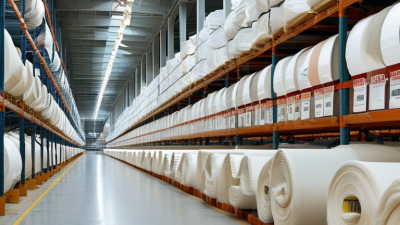
A fabric warehouse gives wholesale buyers a practical way to compare materials before placing larger orders. Instead of relying on a small photograph, buyers can inspect swatches, check fabric weight, and feel the difference between a crisp poplin and a soft jersey. Small details matter. A few grams per square metre can change how a garment hangs or how much fabric a pattern requires.

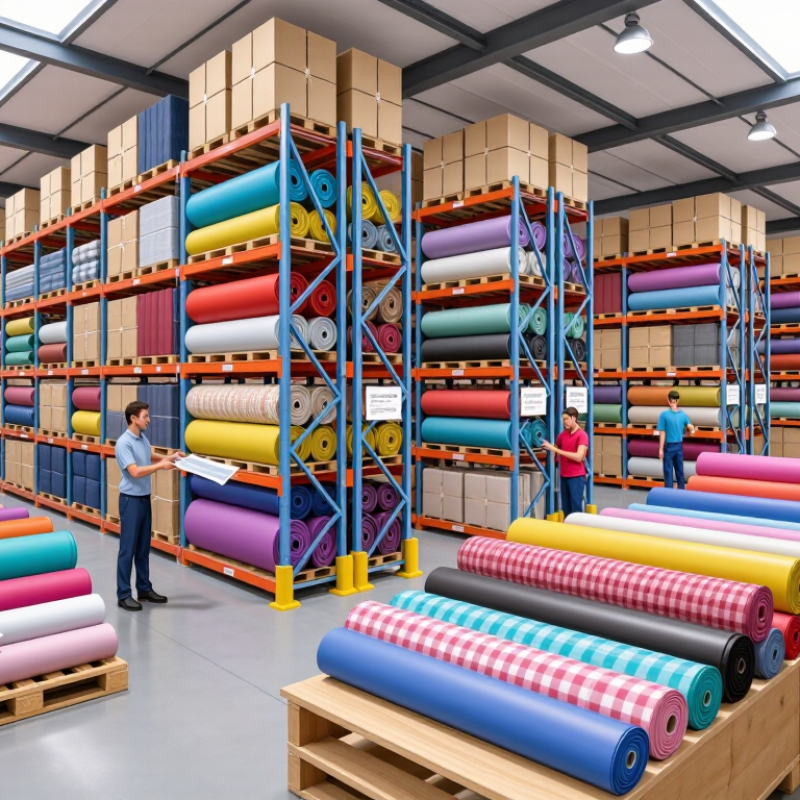
Warehouses may also hold fabric in full rolls, making it easier to plan production quantities and discuss repeat availability. Ask about minimum order sizes, current stock, lead times, and whether the same dye lot can be reserved. These details affect cost and consistency. A warehouse may have a broad selection, but not every fabric will remain available in the same colour or quantity. That part is easy to overlook.

For a useful comparison, bring clear specifications: fibre content, width, weight, intended use, and target volume. Request a cutting or sample when possible, then test it for shrinkage and handling before committing. A quoted price can look convincing on paper. I would still check what it includes, especially freight and cutting fees. Photos help, but they do not show how a fabric behaves under real production conditions.

How Wholesale Sourcing Works in a Fabric Warehouse

Wholesale sourcing in a fabric warehouse usually begins with a clear specification: fiber content, weight, width, color, and intended use. A buyer may bring a swatch or request a sample card. Staff can then compare nearby rolls under the same lighting. Color shifts under warehouse lamps. Check it near daylight, too.

Once a suitable fabric is found, the buyer confirms available stock, minimum order quantities, and price breaks. A roll label often lists its lot number, width, and remaining length; these details help match the order to the sample. Ask whether the fabric comes from one dye lot. If several lots are combined, shade differences may appear across a finished batch. Not ideal. Before placing a large order, request a cut sample and verify shrinkage, texture, and color after washing when relevant. Then confirm packing, dispatch timing, and how shortages or defects are handled. Warehouse stock can change quickly, so written confirmation matters. A careful process takes a little longer, and even then, the sample may not reveal every issue. It is worth checking.

Why Choose a Fabric Warehouse for Wholesale Sourcing?

How Wholesale Sourcing Works in a Fabric Warehouse

A warehouse-based sourcing process typically moves from defining requirements to reviewing available fabrics, checking specifications and samples, confirming pricing and quantities, and arranging the order. The exact sequence can vary by supplier and order.

How Warehouses Support Product Choice and Bulk Purchasing

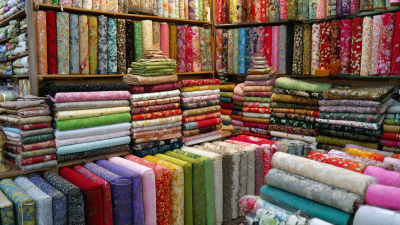
A fabric warehouse gives wholesale buyers more than a place to view products. It lets them compare colors, weights, textures, and finishes side by side. A buyer can hold a lightweight cotton against a heavier weave and see how each drapes. That matters. Lighting can also change how a color appears, so checking samples near a window may prevent avoidable surprises.

Many warehouses organize swatches and rolls by fabric type, width, or use. This makes it easier to shortlist options before requesting bulk quantities. Staff can often clarify practical details, such as whether a fabric is sold by the roll or cut to order. Ask about minimum quantities, available stock, and restocking timelines. These details affect both planning and cost. A sample, however, is only a guide; the full roll may vary slightly in shade or feel. It is worth confirming tolerance before placing a large order.

For bulk purchasing, buyers can compare pack sizes and estimate how much usable material each option provides. Check roll labels, edge condition, and visible defects when possible. Keep written notes on color references and specifications, especially when comparing several similar fabrics. Warehouses can make sourcing clearer, but they cannot remove every uncertainty. A small trial order may be the sensible choice when a fabric is new to your production process.

What to Check When Selecting a Fabric Warehouse

Why Choose a Fabric Warehouse for Wholesale Sourcing?
What to Check When Selecting a Fabric Warehouse

Choosing a fabric warehouse can simplify wholesale sourcing, but a broad catalog is not enough. Check whether listed fabrics are actually in stock and whether colors match current samples. Ask about minimum order quantities, restock timing, and how often inventory records are updated. Delays happen. A clear answer is better than a confident guess.

Tips: Bring a small color reference and note fabric width, weight, and fiber content. Request a cut sample before placing a large order. Compare it under natural light, since warehouse lighting can make shades look different.

Inspect the fabric in person when possible. Look for uneven dye, loose threads, snags, and inconsistent texture across the roll. Ask how defects are handled and whether the warehouse can provide batch details for repeat orders. A sample may be flawless while later stock varies; that risk is easy to overlook. Check packing methods too. Tight folding or damp storage can leave creases or damage material during transit. Keep written notes on specifications and agreed quantities, especially when several fabrics look nearly identical. A little checking takes time, but it can prevent costly surprises.

Why Choose a Fabric Warehouse for Wholesale Sourcing? — What to Check When Selecting a Fabric Warehouse
Selection Dimension What to Check Useful Evidence or Questions Why It Matters
Available stock Confirm the exact fabric, colour, width, composition, and quantity currently available. Request a dated stock list and confirmation that the quoted quantity is physically available. Warehouse stock can help avoid the production wait associated with ordering fabric directly from a mill, but listings may change quickly.
Minimum order quantity Check the minimum purchase per fabric, colour, and order, including any cutting or handling minimums. Ask for the minimum in metres or yards and whether different colours or fabrics can be combined. Lower minimums can make sampling and smaller production runs more practical; terms vary by seller and stock lot.
Fabric specifications Verify fibre composition, usable width, weight, construction, finish, and colour reference. Request a specification sheet and physical swatch; compare the delivered fabric with the approved sample. Clear specifications reduce the risk of receiving material that behaves differently in cutting, sewing, or end use.
Quality inspection Ask how fabric is checked for shade variation, holes, stains, weaving faults, and roll-to-roll consistency. Confirm the inspection method, defect reporting process, and claim deadline before ordering. Inspection records and agreed acceptance criteria help manage quality issues before fabric enters production.
Samples and colour approval Check whether swatches or sample cuts are available and whether their cost is credited against a later order. Request a sample from the actual stock lot when shade consistency is important. Screen images and digital colour references cannot reliably show fabric hand feel, texture, or exact colour.
Price and total landed cost Compare the unit price alongside cutting fees, packing, freight, duties, taxes, and payment charges. Request a written quotation that states the currency, measurement unit, quote validity, and included services. A low fabric price may not be the lowest overall cost once delivery and other charges are included.
Order processing and dispatch Confirm order confirmation timing, cutting or roll preparation time, dispatch date, and delivery estimate. Ask which steps begin only after payment or sample approval, and request tracking details after dispatch. Reliable timing information helps buyers coordinate fabric receipt with cutting schedules and production plans.
Lot and origin traceability Check whether the seller can identify the stock lot and provide available origin or transaction documents. Ask for lot references and any applicable invoices, packing lists, or origin documentation. Traceability supports replenishment checks and can help investigate differences between separate purchases.
Storage and handling Ask how fabric is protected from moisture, dust, sunlight, and damage while stored. Check whether rolls are labelled and packed to protect the material during storage and transport. Appropriate handling helps preserve fabric condition between warehousing, shipment, and production.
Returns and claims Review the policy for shortages, defects, incorrect specifications, and transit damage. Confirm the time limit, required evidence, and available remedy, such as replacement, credit, or refund. Written terms clarify how problems will be handled before an order is placed.
Payment and documentation Confirm accepted payment methods, payment timing, and the documents supplied with the order. Request a formal quotation and invoice showing the fabric description, quantity, unit price, and delivery terms. Clear paperwork supports purchasing records, order checks, and resolution of billing or delivery discrepancies.
Buyer-specific compliance Identify any required testing, restricted-substance declarations, or product-specific documentation. Ask what documents are available for the exact fabric lot; verify requirements for the destination market and end use. Requirements differ by product and market, so documentation should be confirmed rather than assumed.

Stock availability, minimums, lead times, documentation, and service terms vary by warehouse and fabric. Confirm all specifications and commercial terms in writing before placing a wholesale order.

How to Compare Warehouse Sourcing with Other Options

A fabric warehouse can suit wholesale buyers who need usable stock without waiting for a full production run. Compared with buying directly from a mill, warehouse sourcing may offer lower minimum quantities and quicker dispatch. A sourcing agent can help coordinate sampling, but adds another step and may not hold the fabric locally. Online marketplaces offer broad choice, though photos rarely show a fabric’s true weight or drape.

Compare the full landed cost, not just the price per metre. Ask whether the quoted fabric comes from one dye lot, and request a physical swatch before confirming a large order. Check width, composition, weight, color consistency, and available yardage against your product needs. A warehouse may have excellent stock today, but repeat availability can be uncertain. That trade-off is easy to overlook. For a seasonal collection, ready stock may save time; for a long-running product, direct mill sourcing may offer better continuity. I would still verify details in writing, even when a sample looks convincing.

Tips: Keep a swatch beside your approved sample. Record the lot number, usable width, and inspection results before placing a repeat order.