How to Choose the Right Silk Fabric for Your Business?

Choosing the right silk fabric is not simply a matter of touching a smooth sample. It is a commercial decision involving fiber quality, supplier reliability, customer expectations, and product performance. Textile Exchange’s Materials Market Report 2024 estimates that global fiber production reached approximately 124 million tonnes in 2023, while silk remained a very small, specialized segment of the market. That scarcity can support premium positioning, but it also increases the cost of poor purchasing decisions.

A business should examine silk type, filament length, weight, weave, finishing, and intended use. Mulberry silk may suit luxury scarves and bridal garments, while heavier silk twill can perform better in structured accessories. Satin offers a strong sheen, yet it may reveal scratches and seam marks more easily. Small differences matter. A sample can feel perfect under showroom lighting, then behave differently after washing, pressing, or repeated wear.

Reliable sourcing requires more than an attractive price. The International Sericultural Commission identifies China and India as major silk-producing countries, but origin alone does not prove consistent quality. Request test records, production samples, colorfastness results, and clear fiber-content documentation. Certifications such as OEKO-TEX Standard 100 may also help buyers assess harmful-substance controls, where applicable. Still, certification is not a substitute for inspection.

The uncomfortable truth is simple: no checklist is flawless. We may overlook shrinkage, uneven dyeing, or changing customer preferences. Therefore, businesses should compare suppliers through small pilot orders before committing to larger volumes. The best silk fabric balances beauty, durability, compliance, and realistic margins. It must perform beyond the sample table.

How to Choose the Right Silk Fabric for Your Business?

Define Demand: Silk Is Under 0.2% of Global Fiber Output (TE, 2024)

How to Choose the Right Silk Fabric for Your Business?

Silk represents less than 0.2% of global fiber output, according to Textile Exchange’s 2024 data. This limited share makes silk a specialized material, not a default fabric choice.

Define demand before choosing quality. Estimate monthly units, target prices, expected colors, and acceptable waste. A small luxury collection may need lightweight habotai. Structured garments often require heavier satin or crepe. Demand should guide the fabric, not the other way around.

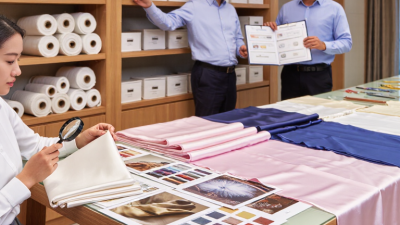
Request samples with clear specifications.

Check fiber content, fabric weight, width, weave, and finishing methods. Momme indicates silk weight, but it does not describe every performance feature.

Rub the sample gently. Hold it near a window.

Look for uneven slubs, weak edges, oil marks, or excessive sheen.

Ask for test records covering shrinkage, colorfastness, and seam strength. Reliable suppliers should explain production details without vague promises.

Do not judge silk from one beautiful swatch.

It may feel excellent but perform poorly after washing. Test the fabric in the actual product shape. A scarf, lining, and fitted blouse need different behavior.

I would also challenge the sales forecast. Premium silk can attract attention, yet repeat demand may remain modest. That uncomfortable gap can create costly inventory.

Choose a fabric that matches real customer use, not only the first impression.

Match Silk Type to Use: Compare 12–16, 19–22, and 25+ Momme

Choosing silk for a business starts with the product’s daily demands, not its appearance alone. Momme measures silk weight and density. A 12–16 momme fabric feels light, airy, and flexible. It suits scarves, linings, sleep accessories, and summer blouses. However, lighter silk can show stress around seams and may require gentler handling.

A 19–22 momme fabric offers a practical middle ground. It has more body, better opacity, and improved resistance to repeated use. Many businesses choose this range for shirts, pillowcases, nightwear, and premium accessories. It still feels soft against the skin. The fabric should not feel stiff.

A 25+ momme option feels noticeably substantial. It works well for luxury bedding, structured robes, heavy cushions, and products needing a richer drape. It costs more and may feel too warm for some climates.

Test before ordering in volume. Hold samples near a window, rub them lightly, and inspect the weave under bright light. Check shrinkage after the recommended wash. I once judged silk by touch alone and missed weak stitching at the edge. That mistake was expensive. Momme is useful, but it is not the whole specification. Weave, finishing, fiber quality, and colorfastness also affect performance. Ask for consistent sample measurements and wash-test results. A beautiful 25+ momme fabric may be unsuitable for a lightweight product, while 12–16 momme may disappoint customers seeking long-term durability.

Set Performance Specs: Measure GSM, Width, Shrinkage, and Colorfastness

Choosing silk by appearance alone can create costly production problems.

Set measurable performance specifications before requesting samples. Textile Exchange’s Materials Market Report 2024 estimates global fiber production reached 124 million tonnes in 2023, while silk remained below 0.2%. Its limited supply makes quality control especially important.

Start with GSM and usable width. A 16-momme blouse fabric may feel light, but its actual GSM can vary after finishing. Record the target GSM, acceptable tolerance, and finished width after inspection. For example, specify 55–65 GSM and 135 centimeters minimum usable width. Ask suppliers to test five fabric rolls, not one convenient sample. Small details matter.

Shrinkage needs a method. Use ISO 6330 washing procedures, then measure length and width separately. A 3% length loss may be acceptable for a scarf, but risky for a fitted shirt. Colorfastness also requires defined tests, such as ISO 105 methods for washing, rubbing, and perspiration. Textile Exchange’s 2024 report highlights the importance of stronger material transparency, yet test paperwork can still hide weak sampling. I have seen beautiful silk fail after gentle washing. That mistake is easy to repeat. Keep original and tested swatches together, record conditioning time, and review results with your pattern team before approving bulk production.

Verify Compliance: Use OEKO-TEX STANDARD 100 and ISO 105 Testing

How to Choose the Right Silk Fabric for Your Business?

Compliance should shape your silk selection from the beginning. OEKO-TEX STANDARD 100 confirms that tested textile components meet limits for harmful substances. Check the certificate number, product class, tested materials, and validity date. A certificate may cover only specific products or production stages. It does not automatically cover every silk fabric from the same supplier.

ISO 105 testing examines colour fastness under conditions such as washing, rubbing, perspiration, and light exposure. Choose test methods that match the fabric’s intended use. Silk scarves may need strong rubbing and perspiration performance. Interior silk may require greater light resistance. Ask for the full laboratory report, not only a passing statement. Independent, competent laboratories provide stronger evidence than informal supplier claims.

A practical buying check includes fabric samples, batch records, and care instructions. Compare the tested sample with bulk production. Small differences in dyeing can affect results. This point is easy to miss. Earlier purchasing checklists often focused too heavily on softness and appearance. That approach was incomplete. Testing cannot replace careful inspection, but it can reveal risks before shipment. Store reports with purchase records, and review them when the fabric composition, dye, finish, or supplier changes.

How to Choose the Right Silk Fabric for Your Business?

Verify Compliance with OEKO-TEX® STANDARD 100 and ISO 105 Testing

How to read this chart: Most ISO 105 colorfastness evaluations use a grade scale from 1 to 5, where 5 represents the highest fastness level. ISO 105 lightfastness is commonly rated from 1 to 8, with 8 representing the highest resistance to light. OEKO-TEX® STANDARD 100 is assessed against substance-specific limit values and is reported as compliant or non-compliant rather than as a single score. Ask suppliers for current laboratory reports covering the exact silk fabric, dyeing process, and intended product class.

Assess Supply Risk: Global Raw Silk Output Was ~177,000 t (ISC, 2023)

Choosing silk fabric begins with supply risk, not only texture, color, or price. The International Sericulture Commission reported approximately 177,000 tonnes of global raw silk output in 2023. That is a limited resource for a worldwide textile market.

Production is also concentrated in a small number of silk-producing regions. Weather, disease, labor shortages, and mulberry leaf quality can affect cocoon yields. The Food and Agriculture Organization has repeatedly identified climate variability as a risk for agricultural supply chains. A delayed harvest may change delivery dates, available grades, and fabric costs.

Ask suppliers for recent production records, not only catalog samples. Check raw silk origin, reeling method, filament size, and monthly capacity. Request test results for weight, tensile strength, colorfastness, and shrinkage. These details reveal whether a supplier can reproduce the same fabric after several months.

Keep a practical buffer. Many businesses hold extra greige fabric or reserve raw silk before seasonal demand rises. A three-month buffer may help, but it is not a universal answer. Your order size, payment terms, and import route matter. The International Sericulture Commission’s 2023 output figure is useful, but it cannot predict every regional disruption. I would also compare two qualified suppliers, even when the second option appears more expensive. Cheap silk becomes costly when production stops.