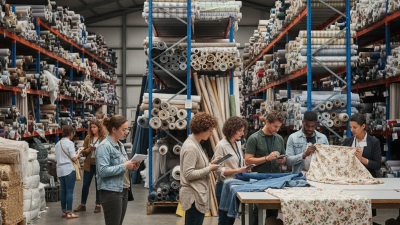
Where to Find Top China Discount Fabric Suppliers?
Finding reliable China discount fabric suppliers requires more than comparing prices. Buyers must examine fiber content, fabric weight, colorfastness, production capacity, and quality controls. A low quotation can hide inconsistent dye lots or weak selvage edges.
Textile sourcing consultant Debbie McKeegan offers a useful principle: “The right fabric starts with the right question: what is it for?” This question matters when choosing discount fabric for apparel, home textiles, crafts, or bulk manufacturing. A lightweight polyester may suit promotional scarves, but it may fail in structured garments. Cotton twill could work for workwear, although its final cost may rise after finishing and shipping.
Look for suppliers with clear product specifications, current factory photographs, sample services, and responsive communication. Ask for GSM, width, composition, minimum order quantity, lead time, and available certifications. Request a physical sample before placing a large order. Touch the fabric. Stretch it. Wash it when possible.
Some suppliers appear inexpensive online but provide vague details. That is a warning sign. Not every polished website represents dependable production. I have seen buyers focus on unit price and overlook inspection costs, packaging, and delivery delays. That approach needs reconsideration.
A trustworthy supplier should explain limitations instead of promising everything. Compare several factories, verify business information, and record each quotation carefully. The best China discount fabric supplier is not always the cheapest option. It is the supplier that offers predictable quality, honest communication, and practical value for your intended use.
What Defines a Reliable China Discount Fabric Supplier?
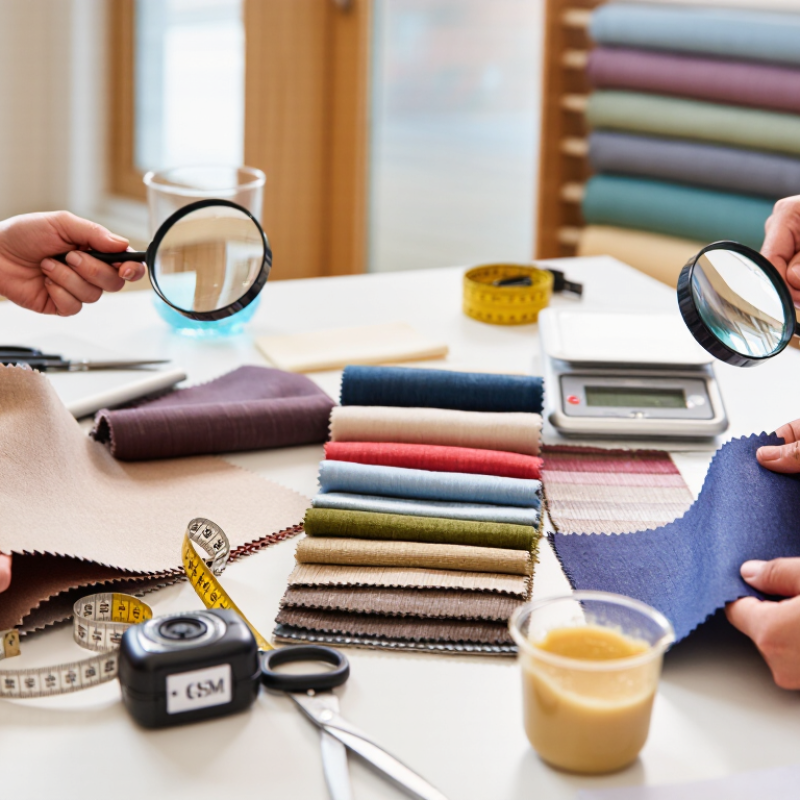
A reliable China discount fabric supplier offers more than a low quote. Look for clear fiber-content details, fabric weight, usable width, and colorfastness results. Ask for a dated sample and compare it with the bulk shipment under consistent lighting. Small differences matter: a shade shift can disrupt an entire production run. Request written details on minimum order quantities, lead times, payment terms, and remedies for defects. A supplier who answers specific questions with records is easier to assess than one who only promises “top quality.”
The Textile Exchange Materials Market Report 2024 estimates that global fiber production reached 124 million tonnes in 2023. That scale makes traceable material information increasingly important, but volume alone does not prove a supplier is dependable. Ask where the fabric was made, what testing was performed, and whether certificates apply to the exact material being quoted. Verify documents with the issuing organization when possible. I have seen buyers focus on the sample and overlook packing standards; that is an easy, costly mistake.
Tips: Send a written specification sheet with your inquiry. Include composition, GSM, width, color reference, and acceptable tolerance. Order a small trial lot before committing to volume. Keep samples from approval and delivery side by side. If a quote is unusually low, ask which specification or service has changed. Cheap can work. It can also become expensive after rework.
Which Chinese Regions Specialize in Discount Fabric Production?
China’s discount fabric production is concentrated in several specialized regions. Shaoxing’s Keqiao district in Zhejiang is known for printed polyester, rayon, lace, and home-textile fabrics. Its large market supports many stock-lot and overproduction deals. Prices can be attractive, but color batches may differ.
Shengze in Jiangsu focuses strongly on polyester filament fabrics, satin, lining, and lightweight fashion materials. Mills there often offer stable specifications and practical options for uniforms or seasonal garments. In Guangdong, Guangzhou and Foshan supply denim, cotton blends, knit fabrics, and fashion textiles. Fujian’s Shishi and Jinjiang are useful for sportswear knits, mesh, fleece, and stretch materials. Regional expertise matters. A low price alone does not prove value.
Tips: Ask for fabric composition, width, weight, dye-lot details, and available stock. Request a physical sample before confirming bulk quantities. I have found that warehouse photos can hide uneven edges or faded rolls. Small trial orders are safer, although they may cost slightly more per meter. Check shrinkage, colorfastness, and performance after washing. A supplier’s clear answers, inspection records, and shipping documents reveal more than polished product pages. Even experienced buyers sometimes overlook packing moisture protection. That mistake can damage fabric before production begins.
How to Search for China Discount Fabric Suppliers
Where to Find Top China Discount Fabric Suppliers?
Searching for China discount fabric suppliers requires more than comparing low prices. Start with product terms: fiber content, GSM, width, weave, finish, colorfastness, and intended use. Search Chinese manufacturing directories, trade-fair exhibitor lists, and customs data published by China’s General Administration of Customs. Textile Exchange’s Materials Market Report 2024 recorded 124 million tonnes of global fiber production in 2023. That scale creates broad sourcing options, but quality still varies sharply.
Request a current sample roll, not only photographs. Check the selvage, fabric weight, shrinkage, pilling, and shade under natural light. Ask for factory capacity, minimum order quantity, lead time, packing details, and test reports. A reliable supplier should answer consistently and provide traceable documents. Compare at least three quotations using the same specifications. The cheapest offer may hide weak inspection controls or unstable dye lots. I would question any supplier who refuses a small trial order. Yet, small orders may carry higher costs, so the decision needs careful balance.
Tips: Build a comparison sheet with price, GSM, composition, MOQ, sample result, and delivery time. Verify certificates with the issuing organization. Use independent inspection before shipment when the order is valuable. Textile Exchange also projects global fiber production may reach 160 million tonnes by 2030, increasing competition and supplier choice. Do not rely on one impressive video call. Physical evidence matters.
How to Evaluate Fabric Quality, Prices, and Minimum Orders
When searching for China discount fabric suppliers, quality should come before a low quotation. Request a physical sample, not only digital photos. Check the fabric under daylight and warm indoor light. Color can change noticeably. Rub the surface with a white cloth. Then inspect pilling, loose threads, uneven weaving, and unpleasant odors. For stretch fabrics, measure recovery after repeated pulling. A small defect may become expensive across thousands of meters.
Price comparisons need the same specifications. Confirm fiber content, fabric width, weight, dyeing method, packaging, and shipping terms. Ask for a detailed quotation with every cost listed. A very cheap offer may exclude inspection, sample development, or export packing. I once compared two suppliers using different fabric weights. The cheaper quote was not cheaper after correction. That mistake still influences my purchasing process.
Minimum order quantities deserve careful negotiation. Some factories accept a small trial order, but charge more for custom colors or special finishes. Ask whether the MOQ applies per design, color, or total order. Request production and inspection records when available. A reliable supplier should explain testing methods and provide consistent answers. Still, do not trust paperwork blindly. Test the first bulk shipment against the approved sample. A minor shade difference can affect an entire collection. My judgment is not perfect, so I leave room for independent inspection and revise supplier ratings after every order.
How to Verify Suppliers and Arrange Safe Purchases
Where to Find Top China Discount Fabric Suppliers?
How to Verify Suppliers and Arrange Safe Purchases
Finding low-cost fabric in China is easy; finding a dependable supplier requires slower, practical checking. Search trade directories, sourcing exhibitions, and verified wholesale platforms. Then request the supplier’s registered business details, factory address, and export experience. A video tour can reveal useful details, such as cutting tables, storage conditions, and active production lines.
Ask for fabric samples before discussing large quantities. Check weight, width, color consistency, shrinkage, and fiber composition. Compare the sample with the written specification. If the material is for clothing or children’s products, request relevant safety test reports. Confirm that the reports match the factory, product, and current production batch. Documents can be copied. Independent testing is safer.
I once trusted attractive photos and skipped a physical sample. That was my mistake. The delivered fabric felt thinner and showed uneven dyeing. Now, I use a written purchase agreement with clear tolerances, inspection terms, delivery dates, and packaging requirements. Pay through a traceable method, avoid sending the entire amount upfront, and connect the final payment to inspection approval. A pre-shipment inspection can check rolls, labels, moisture protection, and carton counts. Keep invoices, test reports, shipping records, and messages together. Small suppliers may offer excellent value, but weak communication is a warning sign. Ask direct questions, allow time for careful answers, and reconsider when promises sound unusually perfect.