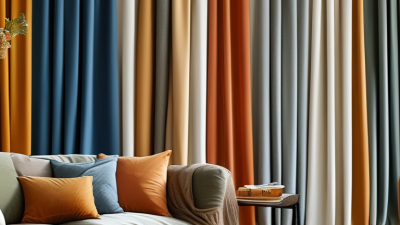
Who are the top couch fabric suppliers in China? The answer depends on what your project needs. A furniture maker ordering thousands of meters may value stable production and consistent dye lots. A small studio may care more about low minimum orders, quick sampling, and unusual textures. The “top” supplier is not always the largest one.
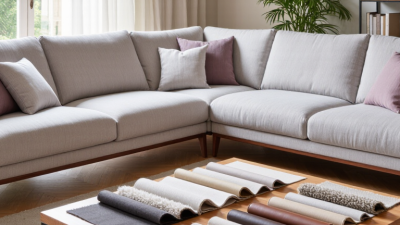
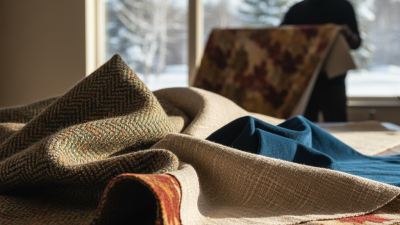
China’s textile market offers a broad range of upholstery materials, from tightly woven polyester to velvet, chenille, linen blends, and leather-look fabrics. Yet a polished catalog tells only part of the story. Request physical couch fabric swatches, then check color under daylight and warm indoor lighting. Review abrasion results, colorfastness, backing, width, and cleaning guidance. These details can affect how a sofa looks after months of daily use.
This guide introduces suppliers worth researching and explains what to verify before requesting a quote. It considers product range, manufacturing capability, sampling, communication, and export experience rather than relying on unsupported rankings. Supplier information can change, so check claims directly. A factory visit or video inspection may reveal useful details, but neither guarantees a perfect order. There are trade-offs. Compare written specifications, sample quality, production timelines, and payment terms before making a decision. A modest test order can expose problems a website cannot. That step takes time, but it may prevent costly surprises.
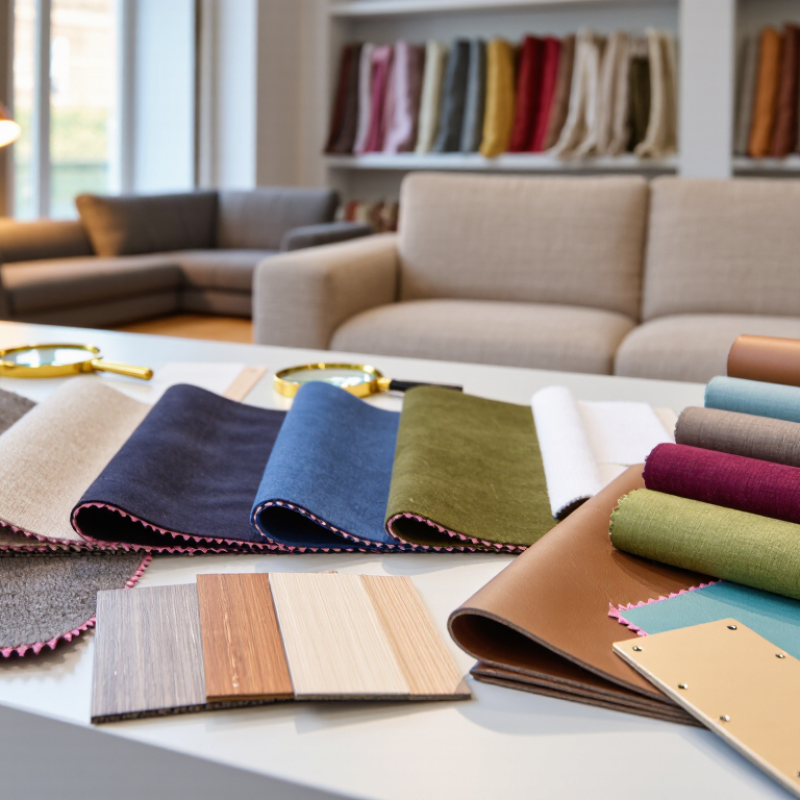
A leading couch fabric supplier in China is defined by more than a wide catalogue or a low quote. Clear technical data matters: fiber content, fabric weight, usable width, abrasion results, and care instructions should match the sample and final order. Small details count. A buyer can request a specification sheet and compare it with a cut sample under consistent lighting.
Reliable suppliers explain how they control color variation between dye lots and inspect fabric before shipment. Ask how defects are recorded, what tolerances apply, and how replacement claims are handled. A practical review may include checking roll labels, measuring usable width, and testing a swatch for pilling or color transfer. One test is not enough. Results depend on the method and intended use.
Communication is another useful measure. A capable team gives realistic lead times, flags material changes, and answers technical questions without vague promises. Production capacity matters, but so does evidence that orders can be tracked from inspection to packing. No supplier is perfect; even careful mills can have shade variation or delays. That is worth acknowledging. I would still verify recent samples and agree on written acceptance criteria before placing a large order. A polished showroom alone proves little.
Fabric testing and documented performance are important supplier-evaluation criteria. The chart shows the maximum rating on three commonly used ISO test scales—not ratings of individual suppliers or fabrics.
Higher ratings indicate better performance within each test. The scales differ, so compare results only within the same test method.
China’s couch-fabric industry is organized around linked stages rather than one factory. Yarn producers supply polyester, cotton, and blended fibers; weaving and knitting mills turn them into base cloth. Dyeing, brushing, coating, and finishing facilities add color and texture. That takes coordination. Textile-producing regions in eastern and southern China often bring several of these operations within practical shipping distance, though suppliers’ capabilities vary.
A buyer may work directly with a mill or use a trading company that coordinates sampling, production, and export logistics. Direct sourcing can make technical discussions easier, but it does not guarantee consistent quality. Ask who controls each production step. Request fabric swatches, color references, and details such as weight, width, abrasion performance, and cleaning instructions. A small sample can feel smooth while a full production batch looks slightly different under showroom lighting.
The supply chain also includes inspection, packing, and freight providers. Clear specifications help these partners handle the fabric correctly, especially when rolls need consistent labeling and moisture protection. Confirm whether testing applies to the submitted sample or the finished batch. One imperfect detail often deserves a second look: shade variation between dye lots may be acceptable for some projects, but distracting across a large sofa order. Forecasts can change, too, so lead times and minimum order quantities should be confirmed in writing before production starts.
| Supplier segment | Common production hubs | Typical products | Role in the supply chain | Best suited to | Key sourcing checks |
|---|---|---|---|---|---|
| Upholstery fabric mills | Shaoxing and Keqiao, Zhejiang; Shengze in Wujiang, Jiangsu | Woven polyester, polyester blends, chenille, jacquard and velvet fabrics | Weave or knit greige fabric, then supply it for dyeing, finishing or sale as finished fabric | Buyers seeking a broad fabric range, custom constructions or mill-direct pricing | Confirm composition, usable width, weight, colorfastness, abrasion test method and production capacity |
| Warp-knitting and pile-fabric producers | Haining, Zhejiang, a recognized warp-knitting and textile production cluster | Knitted upholstery, short-pile fabrics, suede-like textiles and selected velvet constructions | Make knitted or pile surfaces and may coordinate backing, dyeing and finishing | Sofa programs needing soft hand-feel, stretch, pile texture or coordinated colors | Check pile shedding, snagging, backing stability, shade consistency and care instructions |
| Dyeing and finishing mills | Textile clusters in Zhejiang and Jiangsu, including the Keqiao and Shengze areas | Piece-dyed, printed, coated, brushed, water-repellent or other finished fabrics | Convert greige fabric into finished material through coloring and surface treatments | Buyers with a specified base fabric who need custom color or performance finishing | Request lab dips, approved color standards, finish durability data and information on wastewater controls |
| Fabric converters and sourcing offices | Keqiao and other major textile markets; offices may also operate near furniture manufacturing clusters | Stock fabrics, coordinated collections, sampling and made-to-order upholstery material | Source from mills and finishers, consolidate orders, arrange sampling and coordinate export logistics | Smaller or multi-style orders and buyers who need a single point of contact | Identify the actual mill, clarify subcontracting, verify stock status, minimum order and lead time |
| Integrated upholstery-material suppliers | Furniture manufacturing areas such as Foshan, Guangdong, connected to textile supply hubs | Fabric selected or developed for sofa programs, sometimes coordinated with foam, lining or upholstery components | Link fabric sourcing with furniture development, upholstery production and order planning | Furniture makers seeking coordinated material sourcing and production support | Separate fabric specifications from furniture specifications and approve a production-matched sample |
China’s couch-fabric supply chain commonly links fiber and yarn suppliers, weaving or knitting mills, dyeing and finishing plants, converters, and furniture manufacturers. Production capabilities and order terms vary by supplier; verify specifications and test results against the intended market and use.
China’s major couch-fabric suppliers are often specialized textile mills rather than general fabric traders. Many operate in Haining, Zhejiang, a region known for upholstery textiles. Other suppliers work across Jiangsu and Guangdong, producing woven, knitted, and coated fabrics for furniture makers. Some focus on high-volume polyester velvet, while others handle linen blends, chenille, or durable woven patterns. The difference matters. A mill that excels at consistent bulk orders may not offer much custom development.
When comparing Chinese suppliers, look beyond a polished sample book. Ask whether the company controls weaving, dyeing, and finishing, or outsources some steps. Request a current swatch, colorfastness information, abrasion-test results, and details about backing and cleaning instructions. Then compare the sample with a larger production lot; small color shifts can happen. Check minimum order quantities and lead times, too. A supplier may quote quickly but need more time for a custom color. That is not necessarily a warning sign, but it deserves a clear explanation. The awkward part is that paperwork can look complete while a fabric still feels too thin for everyday seating. Touch the fabric. Test the seams and surface yourself.
Compare fiber composition before comparing price. Textile Exchange’s Materials Market Report 2024 estimates that global fiber production reached 124 million tonnes in 2023, with polyester accounting for 57%. Polyester, linen, cotton, and recycled blends differ in abrasion resistance, hand feel, colorfastness, and care needs. Ask for the exact yarn and backing construction, not just “performance fabric.” Check swatches in daylight and under warm indoor lighting. Small differences show.
For quality, request current laboratory reports tied to the quoted fabric code. Check abrasion using ISO 12947, plus seam slippage, pilling, and colorfastness to rubbing and light. Match each test method to the fabric’s intended residential or contract use. A certificate without a matching fabric code or construction is weak evidence.
For capacity, compare monthly output for the same fabric family, loom availability, finishing capacity, sample-to-bulk lead time, and recent on-time delivery. Ask how peak-season orders are allocated and whether dyeing or finishing is subcontracted. A large factory can still bottleneck at finishing. Treat promised lead times as provisional until a trial order confirms them. Supplier figures are not always directly comparable, so record the assumptions behind each quote.
When sourcing couch fabric from China, compare suppliers by repeatability, not showroom variety. A beautiful swatch can hide uneven dyeing or a backing that feels stiff after upholstery. Ask for fiber composition, fabric weight, usable width, and care instructions in writing. Check abrasion, pilling, and colorfastness results against your project needs. Small details matter.
Request samples from more than one production lot when possible. Put the fabric on a cushion, sit on it, and inspect seams under natural light. Some things remain hard to judge from a swatch alone. I would not treat one successful sample as proof of consistent bulk production. Confirm minimum order quantities, lead times, packaging, and how defects are handled before approving an order.
Price is only one part of the decision. Ask whether the quoted fabric includes finishing, and confirm that later shipments will match the approved sample. Keep dated swatches and written specifications for reference. A supplier may answer quickly but still miss a detail; clear records help both sides catch that gap. Leave time for testing and sample revisions, even when the schedule looks comfortable.