Why Choose Silk Fabric by the Yard?
Why Choose Silk Fabric by the Yard?
Silk fabric by the yard gives designers measured control over texture, drape, color, and waste. A single yard can become a scarf, sleeve, bodice, or cushion panel. It feels cool against the skin, then warms gently. That small sensory detail matters in close-fitting clothing.
Industry data adds useful perspective. Textile Exchange’s Materials Market Report 2024 places silk below 0.2% of global fiber production, showing its niche position. FAOSTAT data also indicate that China and India remain major silk-producing countries. Limited supply can affect price, consistency, and delivery times. Silk is not automatically the best choice.
Fashion designer Coco Chanel famously said, “Luxury must be comfortable, otherwise it is not luxury.” Her observation fits silk’s appeal, but comfort depends on construction. Charmeuse may glide beautifully, while dupioni offers crisp structure. Organza catches light like a thin window, yet it can feel unforgiving near the skin.
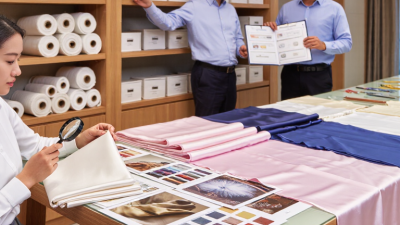
When buying silk fabric by the yard, check the fiber content, weight, width, weave, and care label. Hold the fabric near a window. Look for uneven slubs, weak edges, or dye variation. These details can reveal character, but they can also create problems during cutting.
A reflective choice is better than a romantic one. Silk rewards careful handling, accurate measurements, and realistic expectations. It may deliver exceptional beauty, but responsible sourcing and practical testing should guide every purchase.
What Silk Fabric by the Yard Means
Why Choose Silk Fabric by the Yard?
What Silk Fabric by the Yard Means
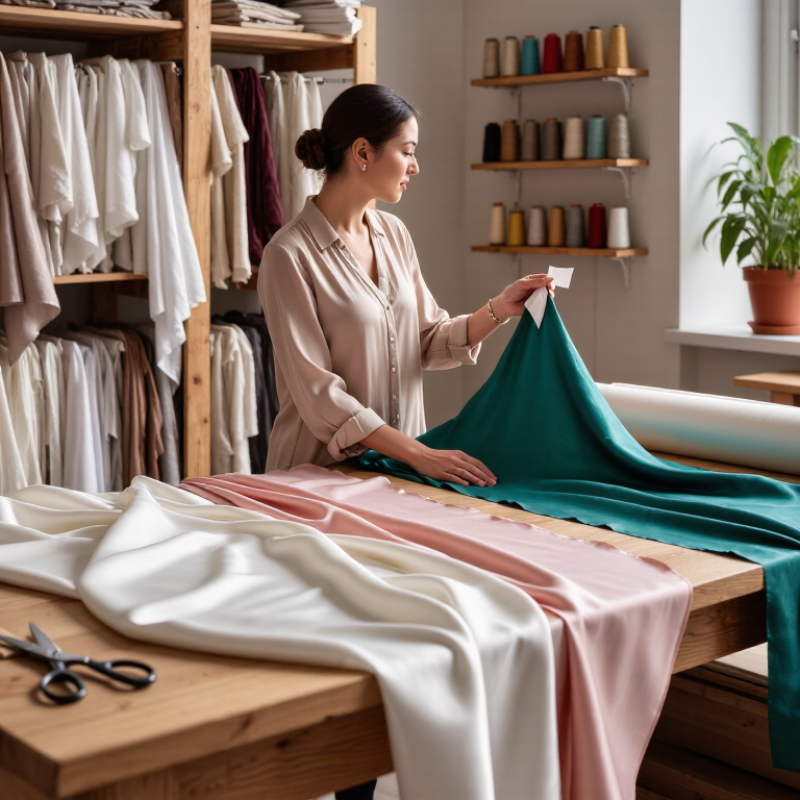
Silk fabric by the yard means buying silk in measured lengths, rather than purchasing a finished garment or curtain. One yard usually measures 36 inches in length, while the fabric width varies by supplier and weave. That width matters when planning a dress, scarf, lining, or decorative panel.
A fabric professional checks more than color. The fiber content, weave, weight, drape, and surface finish affect how silk behaves during sewing. Charmeuse feels fluid and glossy, while silk twill offers more structure and a distinct diagonal texture. Hold the fabric near a window. Subtle slubs, uneven threads, or small shade changes can reveal its natural character.
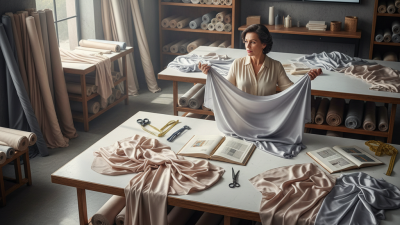
Measure your pattern before ordering. Add extra length for hems, matching prints, shrinkage, and cutting mistakes. I still miscalculate sometimes. Silk can shift under scissors, especially when it is lightweight. A sharp rotary blade, fine pins, and a test seam improve control.
Order a small sample when possible. Touch reveals details that photographs cannot show. Check whether the fabric feels crisp, cool, soft, or slightly dry. Ask for its usable width and care instructions. Some silk fabrics require professional cleaning, while others tolerate careful hand washing. The word “silk” alone does not explain everything. Quality, construction, and intended use deserve equal attention.
Key Properties of Yardage Silk
Why Choose Silk Fabric by the Yard?
Silk fabric by the yard gives makers control over scale, placement, and construction. You can cut one continuous panel for a fluid dress or divide the yardage for smaller pieces. Its natural filament structure creates a smooth hand and a distinctive, soft luster. Under moving light, the surface can look almost liquid. Silk also breathes well and helps manage moisture against the skin. That balance suits blouses, scarves, linings, and evening garments.
Drape varies by weave and weight. Charmeuse usually falls closely, while heavier satin or twill holds more shape. Crepe offers a textured surface and hides minor handling marks better. Before cutting, I check the fabric against a window for slubs, uneven dye, and weak areas. I also test a small piece for shrinkage, color bleeding, and pressing response. A cool iron and a pressing cloth protect the fibers. Heat is unforgiving.
Silk has useful strength, but it is not careless-work fabric. Sharp pins, rough tables, and a dull needle can leave visible damage. I prefer fine needles, clean scissors, and generous seam allowances. Grain alignment matters because a slight shift can change the garment’s drape. I still misjudge this sometimes. A gorgeous sample may behave differently after washing or lining. That is why a fabric test remains more reliable than appearance alone. Its beauty rewards patience, but the yardage also exposes rushed decisions.
Why Choose Silk Fabric by the Yard? - Key Properties of Yardage Silk
| Property |
Typical Value or Range |
Why It Matters When Buying by the Yard |
Practical Consideration |
| Fiber composition |
Natural protein fiber, primarily fibroin |
Provides a smooth hand, natural luster, and a distinctive drape. |
Check the fiber-content label because “silk” may refer to different silk types and blends. |
| Fabric weight |
Common apparel silks range approximately from 30 to 180 g/m², depending on weave and construction |
Yardage can be selected for lightweight blouses, medium-weight dresses, or more structured garments. |
Ask for the actual fabric weight or use a swatch before estimating yardage. |
| Density |
Approximately 1.25–1.34 g/cm³ for silk fiber |
Helps silk provide a lightweight feel while retaining useful fiber strength. |
Finished fabric density varies with yarn size, weave, and finishing. |
| Moisture regain |
Approximately 10–11% under standard textile-testing conditions |
Silk can absorb a noticeable amount of moisture, supporting a comfortable next-to-skin feel. |
Prolonged dampness may contribute to water spots, color change, or fabric damage. |
| Strength |
Silk is one of the stronger natural fibers; strength decreases significantly when wet |
Suitable for garments and accessories when the fabric weight and construction match the intended use. |
Handle and sew carefully, particularly with lightweight or loosely woven yardage. |
| Drape and appearance |
Ranges from fluid and glossy to crisp and subtly lustrous, depending on weave |
Different yardage constructions can create very different silhouettes and surface effects. |
Order a swatch to evaluate shine, opacity, drape, and color under natural light. |
| Thermal comfort |
Generally comfortable across seasons because silk is lightweight and moisture-absorbent |
The same natural fiber can be used for breathable warm-weather pieces and layering garments. |
Warmth depends strongly on fabric weight, weave, lining, and garment design. |
| Color and print potential |
Accepts dyes well and is available in solid colors, prints, and surface effects |
Buying by the yard makes it easier to coordinate a specific color or print with a project. |
Order enough yardage from the same dye lot when color consistency is important. |
| Width availability |
Common fabric widths include approximately 36–60 inches, but widths vary by construction |
Usable width affects pattern placement, cutting efficiency, and the total yardage required. |
Confirm usable width, selvage condition, and any repeating print before purchasing. |
| Care requirements |
Often labeled dry clean or gentle hand wash; care depends on the fabric finish |
Care information helps determine whether the yardage is appropriate for everyday clothing, formalwear, or décor. |
Always follow the care label; test washing, pressing, and colorfastness on a small swatch first. |
Note: Values are typical textile-industry ranges. Actual performance varies with silk type, yarn size, weave, finishing, and fabric construction.
Common Silk Types and Their Uses
Why Choose Silk Fabric by the Yard?
Silk fabric by the yard offers control over color, weight, and pattern placement. It suits custom garments, scarves, curtains, linings, and small design samples. Textile Exchange’s Materials Market Report 2024 estimates silk represents roughly 0.2% of global fiber production. That limited share helps explain its specialized value and careful handling needs. The International Sericulture Commission’s 2023 statistics place global raw-silk production at approximately 180,000 tonnes annually. Silk remains a small but technically important fiber market.
Mulberry silk has a smooth surface and consistent filament length. It works well for shirts, dresses, pillowcases, and elegant linings. Tussar silk feels more textured, with a softly uneven appearance. Designers often choose it for jackets, skirts, and relaxed ceremonial clothing. Eri silk has a fuller hand and a matte finish, making it useful for shawls and structured accessories. Muga silk is naturally golden and commonly used for distinctive traditional garments. The terms can overlap. A fabric may describe its fiber source, weave, or finishing method, which creates confusion during purchasing. Charmeuse is a weave structure, not a separate silk species. Dupioni is known for slubs and crisp body. Habotai feels lighter and smoother. Organza is sheer and firm.
Ask for weight, width, fiber content, and care instructions before ordering. Touch matters. A sample may reveal stiffness, uneven dye, or unexpected transparency. Silk is beautiful, but not effortless. Manufacturers’ specifications can vary, and even experienced buyers sometimes misjudge drape from photographs.
Why Choose Silk Fabric by the Yard?
Common Silk Types and Their Typical Uses
Silk fabric by the yard makes it easier to select the right material for custom clothing, accessories, and home textiles. Mulberry silk is widely used for smooth apparel and bedding, while tussar silk is valued for its textured surface. Eri silk is often chosen for soft, warm garments, and muga silk is known for traditional clothing and its naturally durable golden appearance.
The chart uses a simple classification: 1 means the application is a common use for the silk type, while 0 means it is not a primary typical use.
How to Select Silk by Weight and Finish
Why Choose Silk Fabric by the Yard?
How to Select Silk by Weight and Finish
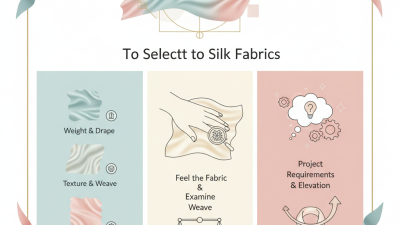
Choosing silk by weight is more practical than relying on appearance alone. Weight is often measured in momme, while grams per square meter offer another useful reference. Lightweight silk, around 12 to 16 momme, suits scarves, linings, and soft blouses. Medium silk, around 19 to 22 momme, feels more stable for dresses and shirts. Heavier silk can support jackets, structured skirts, and decorative cushions. These ranges are only guides. Weave and fiber quality can change the result.
Always request a fabric sample before buying several yards. Hold it near a window. Check its opacity, surface evenness, and drape. A good sample should fall smoothly without feeling brittle. Gently scrunch it in your hand. Does it recover, or does it keep harsh wrinkles? I once chose a lightweight silk that looked elegant online, but it proved too transparent for the planned dress. That mistake taught me to test the actual fabric, not the photograph.
Finish also changes silk’s behavior. Charmeuse offers a glossy face and fluid movement, while crepe de chine has a softly pebbled surface and hides small wrinkles better. Habotai feels light and smooth, but may need lining for clothing. Twill has more body and can suit scarves or shirts. Ask about washing, shrinkage, and colorfastness. Some finishes are beautiful but delicate. Silk is not always effortless. That matters.
Practical Considerations for Buying Silk Yardage
Why Choose Silk Fabric by the Yard?
Practical Considerations for Buying Silk Yardage
Silk yardage offers flexibility for dresses, scarves, lining, and home accents. However, appearance alone cannot confirm quality. Request a small swatch before ordering several yards. Examine it under daylight and warm indoor light. Colors can shift noticeably. Hold the fabric against your skin. Softness, coolness, and weight reveal useful details.
Check the fiber content, weave, width, and fabric weight. Terms like charmeuse, crepe, and organza describe different surfaces and behaviors. A reputable seller should provide clear care instructions and accurate measurements. Ask whether the fabric is prewashed or likely to shrink. I once cut silk without allowing for shrinkage, and the finished sleeve became too short. That mistake was avoidable. Leave extra yardage for matching patterns, hems, and small cutting errors.
Inspect the cut edge for excessive unraveling, snags, or uneven dye. Minor irregularities may occur in natural fibers, but repeated flaws deserve questions. Confirm the usable width, not only the total width. Check the return policy before cutting or washing the fabric. Some sellers provide lot information, which helps when ordering additional yardage later. Keep the swatch with your project notes. It can prevent confusion months afterward. Silk rewards careful handling, though I still find its delicate nature easy to underestimate.