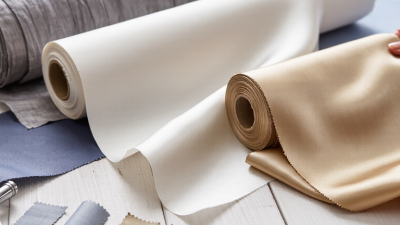
Buying discount fabric in bulk can lower the cost per yard, but a low price alone does not make a sound purchase. The scale of the textile market makes careful sourcing important: Textile Exchange’s Materials Market Report 2024 estimates that global fiber production reached 124 million tonnes in 2023. That figure describes the wider industry, not discount inventory specifically. Still, it highlights why buyers should ask where fabric comes from and how it is made.
Fashion Revolution co-founder Orsola de Castro has said, “The most sustainable garment is the one already in your wardrobe.” Her reminder matters when evaluating discount fabric: buying more is not automatically better. Match quantities to a real project, then request a swatch and confirm fiber content, width, weight, color consistency, and return terms. Check the selvage. Ask about seconds, overstock, and lot numbers. Small details matter.
This guide will help you compare suppliers, calculate the true cost per usable yard, and inspect bulk fabric before committing. A roll may look uniform under warehouse lights, yet vary near the core. Not every deal is one. Be cautious with unusually low prices, vague product descriptions, and missing specifications. Even a careful buyer can misjudge a shade from a screen. The aim is not simply to find cheap fabric, but to buy discount fabric that suits your project, arrives as described, and leaves less unwanted material behind.

Before requesting bulk quotes, specify the fiber, weave or knit, weight, usable width, and finish. “Cotton” alone is too broad: lightweight poplin behaves differently from brushed flannel. Textile Exchange’s 2024 Materials Market Report estimated global fiber production at 124 million tonnes in 2023, with polyester accounting for about 57%. This industry-wide figure makes blend details worth stating clearly; it does not guarantee local stock or a low price.
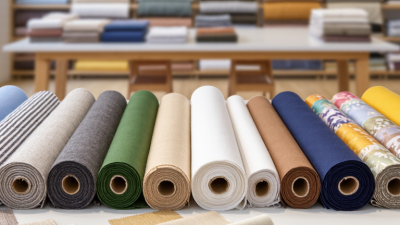
Set your quantity in usable meters or yards, then confirm roll lengths, minimum order quantities, and expected cutting waste. Ask for a sample from the same production lot when possible. Check color, hand feel, shrinkage after washing, and performance against your project’s needs. Agree on measurable tolerances for weight and width before paying. A specification can still miss how fabric drapes under real lighting or against a finished garment. That detail matters.
Tips: Measure twice. Keep a small swatch beside your written requirements, and record the sample’s lot number. Request a quote that separates fabric cost, shipping, and any inspection fees.
Compare bulk fabric suppliers using the same specifications. Ask each for fiber content, usable width, weight, color consistency, and a sample from the current lot. A lower price per yard may hide narrower fabric or costly freight. Check the landed cost, including shipping, handling, and any cutting fees. Small differences add up.
Read the discount terms closely. Some suppliers reduce prices at specific quantity levels, while others require one color or fabric type per order. Confirm the minimum purchase, payment deadline, lead time, and whether discounts apply before or after freight. Ask how shortages, defects, and color variation are handled. Get those details in writing. A low quote can fool you.
Compare the cost of usable material, not just the advertised rate. If a roll has inconsistent color, part of it may not suit the same project. That risk matters for upholstery, uniforms, or products sold in matching sets. It is tempting to order the largest tier for savings, but storage and leftover fabric also cost money. I would reconsider any bulk deal whose terms are unclear, even when the sample looks good.
The figures below are indicative U.S. planning ranges, not live quotes. Fabric prices vary by fiber, weight, width, finish, order size, and freight. Compare quotes for the same specification and confirm all terms in writing.
| Supplier channel | Best suited for | Typical order size | Indicative price basis | Discount approach | Terms to check |
|---|---|---|---|---|---|
| Local fabric wholesaler | Small businesses needing in-person inspection and relatively quick replenishment | Often sold by bolt or case; ask for the exact yardage per bolt | Quote-specific; compare the delivered price per usable yard | May offer case pricing, clearance lots, or negotiated discounts on repeat orders | Bolt length, lot consistency, return policy, and whether the quote includes sales tax or delivery |
| Online wholesale fabric seller | Buyers comparing stocked fabrics across multiple colors and constructions | Minimums range from a few yards to full bolts, depending on the listing | Use the listed unit price, then add shipping and any handling charges | Tiered cart pricing or promotional codes may apply; thresholds and exclusions vary | Color-lot availability, swatch policy, backorders, shipping threshold, and return eligibility |
| Mill or direct producer | Large, repeat orders with stable specifications or custom production needs | Usually quoted by roll, production lot, or minimum production run | Request a written quote with currency, unit, fabric specification, and delivery basis | Volume breaks may be negotiated; custom dyeing or finishing can add setup costs | Minimum order, sampling charges, lead time, defect allowance, payment schedule, and freight responsibility |
| Deadstock or closeout seller | Cost-conscious projects that can use limited or non-repeatable fabric lots | Available stock only; quantities can range from partial rolls to larger lots | Often lot-priced; calculate cost per usable yard after checking defects and short ends | Discounts may reflect clearance status or the purchase of an entire remaining lot | No-repeat availability, accurate yardage, inspection rights, and final-sale conditions |
| Import distributor | Buyers sourcing larger quantities of standard or specialty fabrics | Often sold by roll or case; minimums depend on stock and origin | Compare landed cost, including freight, duties, brokerage, and applicable taxes | Price breaks may depend on volume, payment terms, or combining compatible items | Country of origin, import charges, transit time, documentation, and responsibility for loss or damage |
A low unit price matters only if the delivered fabric matches the approved sample. Textile Exchange’s Materials Market Report 2024 estimated global fiber production at 124 million tonnes in 2023. That scale means buyers may encounter wide variation in fiber type and quality. Request a production-cut sample, then compare it with the quotation. Check fiber composition, fabric weight in grams per square meter, usable width, and finish. Wash and dry a sample as your product will be cared for. Measure shrinkage, inspect seams, and check color transfer with a damp white cloth. A swatch is useful, but it cannot represent every roll. Easy to overlook.
Get specifications and acceptable tolerances in writing before paying a deposit. Ask how the supplier identifies production lots and handles short shipments, defects, or shade differences. Request recent test results where relevant, and verify certificates with the issuing organization rather than relying on a logo. Supplier reliability also shows in small actions: clear answers, consistent sample labeling, realistic lead times, and prompt updates. For a large order, arrange a pre-shipment inspection or reserve the right to inspect goods before final payment. Keep a signed sample and dated records. I would not treat a polished catalog as proof; it is a weak signal. Compare actual references and order history where available, then start with a smaller trial quantity if uncertainty remains. Bulk discounts can hide costly inconsistency.
A low price per yard can hide expensive freight and handling. Compare the delivered cost, not just the supplier’s quoted rate. For example, 500 yards at $3.20 costs $1,600. Add $180 freight and $35 handling, and the real cost is about $3.63 per yard. Include applicable taxes, cutting fees, and payment charges in your worksheet. Small fees add up.
Ask for the shipment’s total weight, roll dimensions, and pallet count before requesting a freight quote. A dense fabric may cost more to ship than a lighter one, even at the same yardage. Check whether the quote includes liftgate service or delivery appointments. These details can change the final bill. Keep a little room in your budget; freight estimates are not always exact.
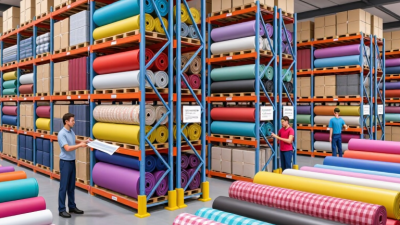
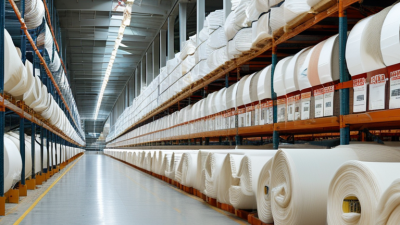
Storage has a cost, too. Measure your shelves and clear floor space before ordering. Keep rolls off damp floors and away from direct sunlight, which can affect some fabrics. Leave access for inventory checks, rather than stacking everything tightly. A simple spreadsheet can track yardage, landed cost, and storage location. My first space estimate would probably be too optimistic, so I’d test it with a small delivery before committing to a much larger order.
When buying discounted fabric in bulk, confirm the details before paying: fiber content, width, weight, color, finish, roll length, and acceptable defect limits. Ask for a current sample, then compare it with the written order. A small swatch can reveal a shade shift or a finish that feels wrong. Keep the quote, sample, and order confirmation together. It sounds fussy, but memory gets unreliable when several rolls arrive at once.
The Textile Exchange 2024 Materials Market Report estimates that global fiber production reached 124 million tonnes in 2023. That huge volume makes clear specifications and traceable paperwork useful, even for a small purchase. Before placing your order, ask how rolls are labeled and packed, and whether short rolls or seconds are included. Confirm the delivery date and what happens if the shipment differs from the agreed sample. Small checks matter.
When the fabric arrives, inspect it before cutting or washing. Count the rolls, check labels, and measure usable width at several points. Unroll a few metres under neutral light; look for holes, stains, weaving flaws, and inconsistent color. Photograph problems beside the roll label, and note the affected length. I still find it easy to trust the first roll too quickly. That can be a costly mistake. Record findings promptly and contact the seller with clear evidence while the fabric remains untouched.
Use this common 4-point inspection system to record fabric defects when an order arrives. Points are assigned by defect length, up to four points per defect. Confirm the inspection method and acceptance criteria with your supplier before placing a bulk order.