Who Are the Top 10 Bulk Fabric Suppliers in China?

China is a major sourcing base for woven and knitted textiles, but choosing a supplier requires more than comparing prices. For buyers purchasing bulk fabric, consistency matters: a color that shifts between dye lots can disrupt an entire production run. Small details count.

The Textile Exchange Materials Market Report 2024 estimates that global fiber production reached 124 million tonnes in 2023 and could rise to 160 million tonnes by 2030. That growth makes material traceability, reliable capacity, and clear product specifications increasingly important. These figures describe the global fiber market, not China’s output alone. They offer useful context, but they cannot confirm any individual mill’s performance.

This guide introduces ten Chinese suppliers for closer evaluation. It considers product range, manufacturing capabilities, minimum order quantities, lead times, sample access, quality controls, and relevant certifications. Buyers should request current test reports and confirm whether stated capacity applies to the specific fabric, not the factory as a whole. Ask for swatches. Check the details.

A supplier list is a starting point, not a guarantee of fit. Public information can be incomplete, and “top” depends on the buyer’s fabric, volume, and delivery needs. One point deserves extra scrutiny: published specifications do not always reflect production conditions. Verify them with samples and written quotations before placing an order.
Who Are the Top 10 Bulk Fabric Suppliers in China?

How China’s Bulk Fabric Supply Market Is Organized

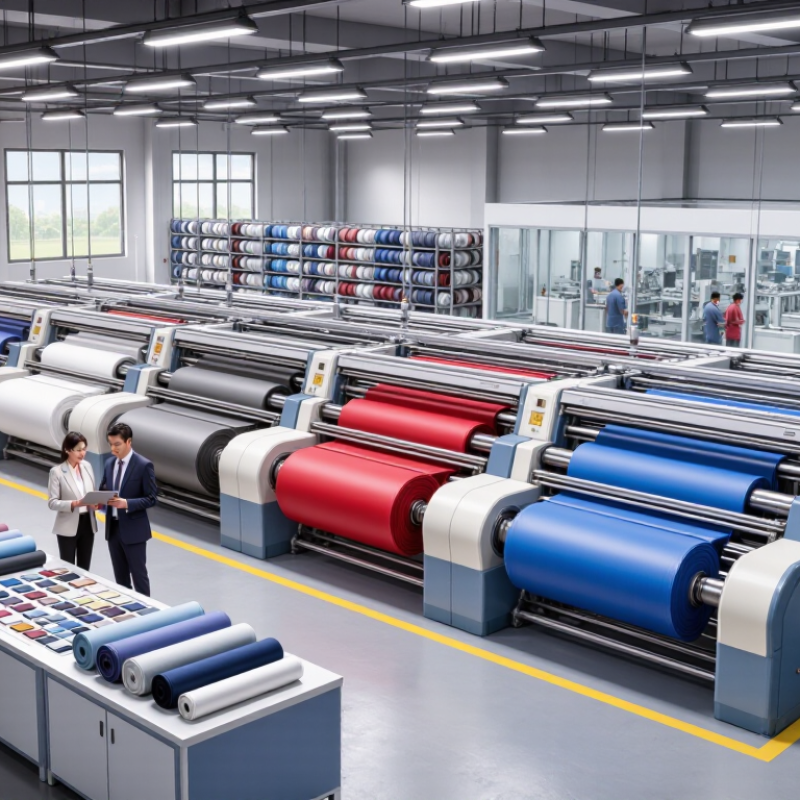
China’s bulk fabric market is built around regional clusters and distinct production stages. Fiber and yarn makers feed weaving and knitting mills; dyeing, printing, and finishing plants then prepare fabric for shipment. Zhejiang, Jiangsu, Guangdong, and Fujian host dense networks of these businesses. China’s textile and apparel exports reached about US$293.6 billion in 2023, according to China Customs data cited by the China National Textile and Apparel Council. This figure covers more than fabric alone, but it shows the scale of the wider supply system.

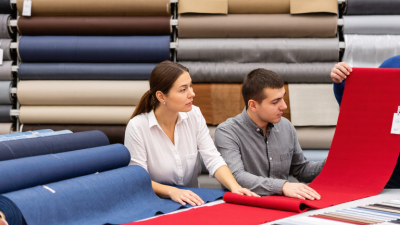
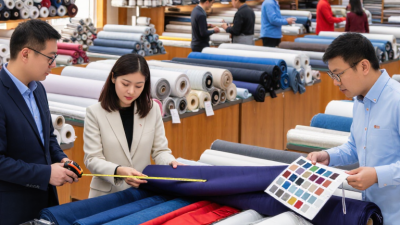
Buyers commonly choose between direct mill sourcing and trading companies. Mills can offer tighter control over repeat specifications, while traders may combine several fabric types or suppliers. Not every mill exports. That distinction matters when orders involve sampling, inspection, and delivery coordination. The market is not perfectly tidy: similar fabric names can hide differences in yarn count, weight, width, or finishing. A swatch is not a full specification.

Tips: Request a written specification covering fiber content, GSM, usable width, colorfastness, and shrinkage. Ask for a production-lot sample, not only a showroom swatch. For large orders, confirm inspection criteria and packaging before production begins.
How China’s Bulk Fabric Supply Market Is Organized

Bulk fabric sourcing typically spans these production stages, from upstream yarn supply to finished-fabric preparation.

The bars show process order, not supplier rankings, market share, or production volume. Some mills integrate multiple stages.

What Qualities Distinguish Leading Fabric Suppliers

Leading bulk fabric suppliers stand out through repeatable quality, clear records, and realistic lead times.

Textile Exchange’s Materials Market Report 2024 estimates global fiber production reached 124 million tonnes in 2023, with 160 million tonnes projected by 2030. This scale makes traceability increasingly important. Buyers should ask suppliers to identify fiber content, production lots, and the steps used to control defects.

Technical discipline shows up in small details. A useful sample should match the bulk order in weight, width, hand feel, and color. Request test results for shrinkage, colorfastness, and pilling, then compare them with agreed specifications.

Details matter. Strong suppliers also explain minimum order quantities, sampling timelines, and what happens when a batch falls outside tolerance. A small shade drift can still happen; how it is contained matters.

Reliable communication is another mark of expertise. Ask for dated production updates and prompt notice of delays, not just reassuring promises. Check whether certificates apply to the specific facility and material being offered.

No audit catches every weak handoff between dyeing and finishing. A practical evaluation should therefore combine documents with physical swatches and, where possible, production samples. Textile Exchange’s figures describe industry-wide growth, not supplier performance, so buyers still need to verify each claim directly.

Profiles of 10 Major Bulk Fabric Suppliers in China

China’s bulk-fabric landscape is best understood through specialization, not a single league table. Ten useful supplier profiles include Keqiao greige-fabric mills for broad everyday ranges; Shaoxing printing mills for patterned cloth; Jiangsu cotton weavers for shirting and uniforms; Zhejiang polyester producers for stable, high-volume basics; and Fujian knit mills for jersey and activewear. Each serves a different production need.

Other profiles include Guangdong denim makers for heavier twills; Shandong home-textile mills for sheeting and upholstery; Hubei blended-fabric producers for functional applications; Hebei workwear suppliers for durable plain weaves; and Jiangsu recycled-fiber mills for lower-impact synthetic options.

The National Bureau of Statistics’ 2023 textile-industry statistics reported about RMB 4.7 trillion in operating revenue among textile enterprises above designated size. Scale is substantial, but it does not guarantee consistent shade or finishing. Requesting lot-specific test results and a production sample helps reveal gaps between quotations and bulk delivery.

Tips: Confirm usable width, weight tolerance, minimum order, and lead time in writing. Check a sample after washing. Small details matter.

How Their Fabrics, Order Sizes, and Capabilities Compare

China’s leading bulk fabric suppliers differ more by production model than by catalog size. Some focus on commodity polyester and cotton blends; others handle knitted, woven, stretch, or functional fabrics. Textile Exchange’s Materials Market Report 2024 estimates global fiber production reached 124 million tonnes in 2023, with polyester accounting for about 57%. That scale makes fiber choice important: a small change in yarn, finish, or weight can affect price and lead time.

Order sizes are not standardized. Mills may quote lower minimums for stock fabrics, while custom colors, coatings, or yarn-dyed patterns often require larger commitments. Small orders differ. Ask whether the quoted quantity applies per color, design, or total order. Request a sample, the fabric’s weight in grams per square meter, usable width, and shrinkage results before comparing prices. A low unit price can hide costly setup or excess inventory.

Capacity also varies. Integrated mills may control spinning, weaving, dyeing, and finishing, while trading or specialist suppliers may rely on partner factories. Neither arrangement is automatically better. Check monthly capacity, sample-to-bulk consistency, inspection steps, and realistic delivery windows. ITMF’s industry surveys track changing business conditions across textile manufacturers, but supplier-level capacity still needs direct verification. That comparison is messy. Factory visits and written specifications can reveal gaps that a polished swatch does not.

How Buyers Can Evaluate and Select a Supplier

When comparing bulk fabric suppliers in China, treat a low quotation as a starting point, not proof of value. Request recent test reports for fiber content, fabric weight, usable width, shrinkage, colorfastness, and pilling. Check the laboratory, test method, sample date, and production lot. A report from a sample room may not reflect a full shipment. Paper is not proof.

Review capacity with concrete records: machine lists, monthly output, shift schedules, and lead times for repeat orders. Textile Exchange’s Materials Market Report 2024 estimates global fiber production reached 124 million tonnes in 2023 and could rise to 160 million tonnes by 2030. As supply expands, buyers should ask how fiber claims are traced from source to finished fabric. Request batch-level documents and confirm that certificates cover the specific material being quoted. Small gaps matter. For a trial order, compare the delivered roll with the approved sample, including hand feel and shade under consistent lighting. Also agree on inspection criteria, defect limits, packaging, and remedies before production begins. A checklist helps, but it can still miss a real-world issue. Keep dated samples and written records, then reassess performance after delivery.