Why Is Choosing the Right Couch Fabric Important?
Why Is Choosing the Right Couch Fabric Important?
A couch is touched every day, so its fabric affects more than a room’s appearance. It shapes comfort, cleaning routines, and how well the furniture handles ordinary wear. A pale linen blend may feel cool and relaxed, yet show a coffee ring quickly. A tightly woven performance fabric may better suit pets, but feel less soft against bare skin. Small differences matter.
The market is growing, too. Allied Market Research valued the global upholstery fabric market at $36.4 billion in 2021 and projected it could reach $59.4 billion by 2031. That forecast signals demand, not proof that every new fabric performs well. Specs still deserve a closer look. Check fiber content, weave, abrasion results, and cleaning instructions before choosing. Feel the sample. Then ask how sunlight, children, or a dog’s claws might change it over time.
Interior designer Nate Berkus has said, “Your home should tell the story of who you are, and be a collection of what you love.” That idea applies to couch fabric, but personal taste alone is not enough. A beautiful swatch can disappoint when it pills, fades, or resists cleaning. Not quite. Choosing well means balancing appearance with real household needs—and admitting that no fabric is perfect.
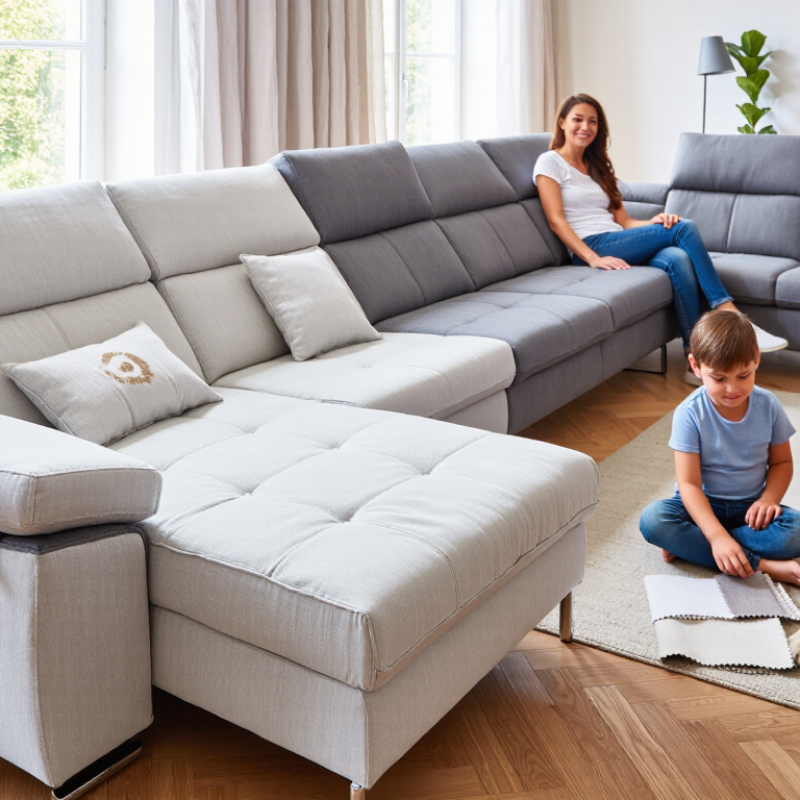
How Couch Fabric Affects Comfort and Everyday Use
Couch fabric changes how a sofa feels long after the showroom visit.
A smooth, tightly woven material may feel cool against bare arms, while a textured weave can feel warmer but slightly rough. Sit for several minutes, not just a quick test. Notice whether the fabric sticks to your skin, traps heat, or feels scratchy at the seams.
Small details matter. A cushion used for evening reading gets different wear from one that children climb on daily.
Everyday use also affects comfort. Loose weaves can catch on pet claws, and deep textures may collect crumbs that are harder to brush away. A dense, washable fabric can be practical in a busy home, though it may feel less soft than a plush option.
There is no perfect choice. I would not judge from a small showroom swatch alone; lighting and room temperature can change how a fabric seems. Bring a sample home, press it against your arm, and check it in daylight. Then consider your habits honestly. A pale, delicate fabric may look inviting, but it can make every coffee mark feel like a crisis.
How Fabric Properties Shape Durability and Maintenance
A couch fabric does more than set the room’s mood. Its fiber, weave, and finish affect how it handles daily friction, spills, sunlight, and cleaning. A tightly woven fabric usually gives pet claws and loose threads fewer openings to catch on, though no weave is completely snag-proof. Upholstery labels may report abrasion-test results, but those numbers are not a guarantee of years of use. Construction and household habits matter too.
Consider the room before choosing. Polyester blends often resist fading and dry faster than some natural fibers, while cotton can feel breathable but wrinkle or absorb spills readily. Performance varies by weave and treatment. A dark, textured fabric can disguise small marks, but dust may settle in its grooves. Not always. Check the care instructions before buying; some fabrics tolerate water-based cleaning, while others need solvent-based methods or professional care. Test any cleaner on a hidden area first, and blot spills rather than rubbing them deeper into the fibers. I used to think “durable” meant simply hard to tear. That misses the daily work of vacuuming, removing crumbs from seams, and dealing with sunlight on one arm of the couch. A removable cover can help, but only if it can be cleaned as directed.
Why Is Choosing the Right Couch Fabric Important?
How fabric properties shape durability and maintenance
Martindale abrasion figures are commonly used to compare upholstery durability. As a general guide, higher rub counts suit more intensive use, but thresholds vary by testing standard and fabric construction. Weave, fiber, and the manufacturer’s cleaning instructions also affect wear and upkeep.
How Couch Fabric Influences a Room’s Look and Feel
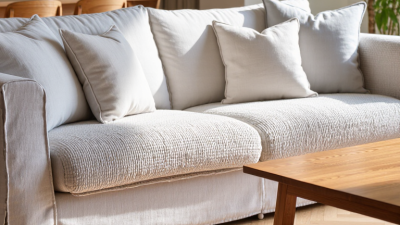
Couch fabric changes more than the sofa’s appearance. It affects how light moves across a room and how inviting the seating feels. A nubby weave can add warmth to a plain space, while smooth, tightly woven fabric often looks cleaner and more tailored. In a bright room, pale upholstery may feel airy, but it can also show spills and everyday marks more readily. Texture matters, too. A soft velvet-like surface can catch the light differently from a matte linen blend, shifting in tone as you walk past. Small details, big effect.
Think about the room at different times of day. Sunlight can make a color look warmer, while a shaded corner may make it seem duller. Fabric samples help, but a small swatch cannot fully show how a large couch will shape the space. I have found that touch can be just as persuasive as color: a fabric that feels scratchy in a quiet showroom may become annoying during a long evening at home. That is easy to overlook. Consider pets, children, and how often the couch will be used; a delicate texture may look beautiful but demand more care than you want to give. There is no flawless choice. The right fabric balances the room’s mood with the realities of daily life.
Why Is Choosing the Right Couch Fabric Important? - How Couch Fabric Influences a Room’s Look and Feel
| Upholstery material |
Typical look and feel |
Effect on a room |
Practical considerations |
| Cotton |
Usually soft and breathable; the texture and drape vary with the weave. |
Can give a space a relaxed, natural appearance, especially in lighter colors. |
May wrinkle and can absorb spills. Cleaning needs depend on the fabric blend and care instructions. |
| Linen |
Lightweight, breathable, and naturally textured; it tends to crease. |
Its visible texture can add an airy, understated feel to a room. |
Wrinkles are part of its characteristic appearance. Check cleaning guidance, as some linen upholstery requires professional care. |
| Wool |
Often has a tactile, textured surface and a naturally warm feel. |
Can make a seating area feel cozy and visually substantial. |
Performance varies by weave and blend. Follow the upholstery care label; some wool fabrics need specialist cleaning. |
| Polyester and polyester blends |
Available in many textures and finishes, from smooth to visibly woven. |
Offers broad color and texture options, making it easier to coordinate with different décor styles. |
Often chosen for everyday use, but durability and stain performance depend on construction, blend, and any applied finish. |
| Velvet upholstery |
A pile surface with a soft hand and a distinctive light-catching appearance; velvet can be made from different fibers. |
Adds depth and a rich, tactile accent; the nap can make color appear different from various angles. |
Care and wear depend on the fiber and construction. Check whether the pile needs brushing and follow the maker’s cleaning instructions. |
| Microfiber |
A fine, closely woven synthetic textile that often feels smooth or suede-like. |
Its relatively even surface can create a neat, understated look. |
Some microfiber upholstery is designed for easier day-to-day care, but cleaning methods vary; test products in an inconspicuous area first. |
Note: Appearance, comfort, durability, and cleaning needs vary with fiber content, weave, color, finish, and construction. Always check the upholstery care label.
How Household Needs Guide Fabric Selection
Why Is Choosing the Right Couch Fabric Important?
How Household Needs Guide Fabric Selection
Household routines should shape couch fabric choices more than a showroom’s first impression. Pale, loosely woven linen may feel cool and relaxed, but crumbs and pet hair can settle between its fibers. In a home with toddlers, washable covers or tightly woven fabric may reduce daily stress. Check care instructions before buying; “easy to clean” can mean different things.
Pets bring their own trade-offs. Smooth, dense fabrics often release fur more easily than nubby textures, while a cat’s claws can snag delicate weaves. A darker shade may disguise small marks, yet show lint in bright daylight. Take a sample home and check it beside a window. Rub it with a clean cloth and see whether its color or texture changes. Real homes vary.
Consider how the couch is used. A rarely used sitting room can handle more delicate fabric than a family room where people eat, nap, and return from rainy walks. If someone has sensitive skin, touch a sample for several minutes instead of judging it at a glance. Needs change. I would not choose only for today’s mess, but predicting every future use is unrealistic. Balance comfort, cleaning effort, durability, and budget, then choose a compromise your household can live with.
How to Compare Fabrics for a Couch Before Choosing
When comparing couch fabrics, begin with how the sofa will be used.
A family couch that sees daily meals and pets needs different qualities from a lightly used reading chair. Look at fiber content, weave, and care instructions together; no single label tells the whole story. That part is easy to overlook.
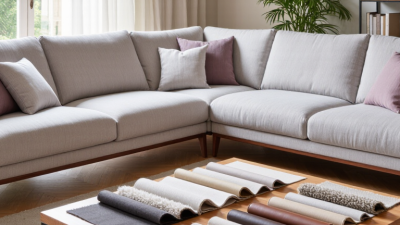
Rub counts can help compare abrasion resistance, but testing methods and thresholds may differ. Treat them as one clue, not a guarantee. A tightly woven fabric may snag less than a loose weave, while a textured surface can hide small marks. Still, feel the fabric yourself. Run your hand across a sample and check whether it feels scratchy, warm, or slippery. These details matter after hours of sitting.
Ask for a swatch, then view it in your room during daylight and evening light. Colors can shift, and a tiny sample may not reveal how a pattern looks across a full couch. Blends can balance softness and durability, but their cleaning needs vary. Read the care label and test your willingness to follow it. Honestly, I would not choose a fabric based on appearance alone; yet the most practical option may not feel right once you live with it.